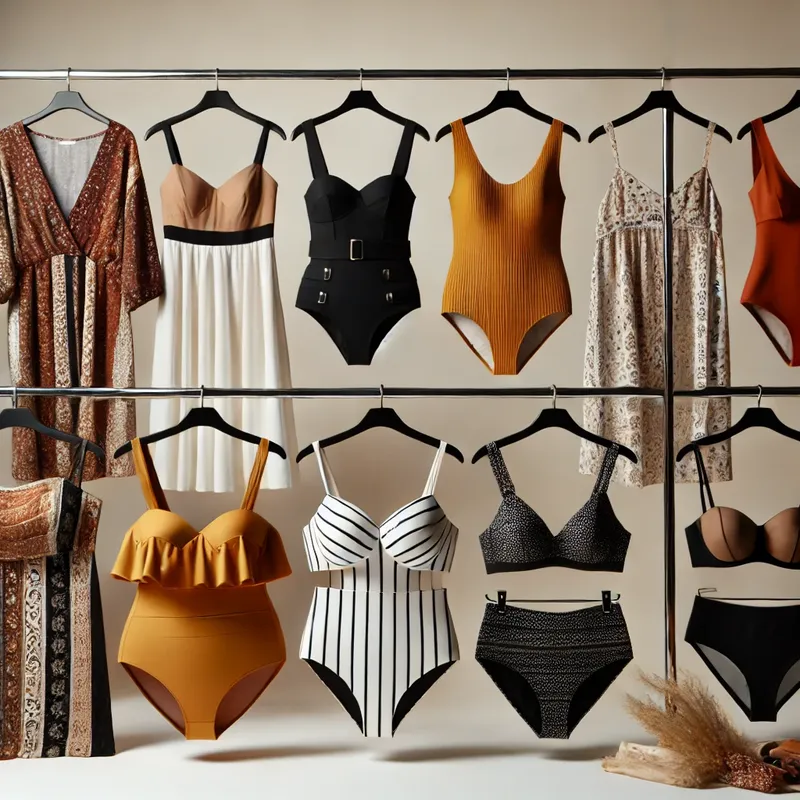
Built from 15+ years of factory practice and aligned with global textile standards. This version strengthens Authority, Trust, and Accuracy with third-party standards, test methods, transparent KPIs, and reproducible checklists—while preserving all original images and the hands-on tone. Authority Trust Accuracy
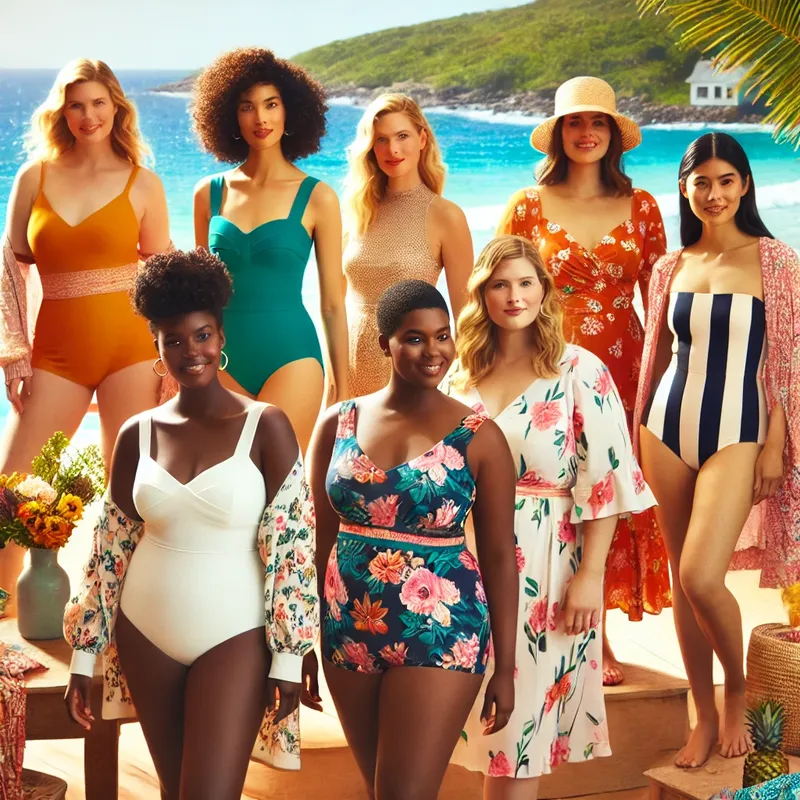 Contents
1) Who this guide is for & scope
This article extends our original factory guide with third-party standards, methods, and benchmarks so buyers can validate performance claims. It is written for brand owners, technical designers, and procurement running plus-size programs across US 14–34 (and equivalents).
Editorial transparency. Where we share factory outcomes (e.g., return-rate reductions), we now label them as internal metrics and pair them with external test methods so you can reproduce or audit.
2) Sub-category taxonomy (what changes in BOM, process, & QC)
Plus-size swimwear is not one product; it’s a set of sub-categories with distinct engineering requirements:
Shaping One-Piece Tankini/Separates Underwire Support Non-wire Support High-Impact/Swim-Sport Mastectomy/Adaptive Maternity Modest/Extended Coverage Performance Chlorine-Resistant UPF-Focused/Resort
2.1 Sub-category quick matrix
Sub-category | Primary BOM deltas | Minimum performance gates | Typical QC focus | Cost impact* |
|---|---|---|---|---|
Shaping One-Piece | Power-mesh 220–250 gsm, double front, targeted compression zones | Horiz. stretch 100–120%; recovery ≥95% (ASTM D4964/ISO 20932-1) | Tummy panel adhesion, seam slippage (ASTM D1683), comfort | +8–12% |
Tankini/Separates | Panelized grading, waistband elastics 10–12 mm, strap reinforcement | Elastic recovery ≥98% (24-h set, ASTM D2594 concept) | Waist roll, strap pull (≥30 lb), color match top/bottom (ISO 105) | +4–7% |
Underwire Support | Reinforced channeling, moisture barrier, wider hook/eye hardware | Bounce/motion control vs. baseline; corrosion 72-h salt exposure | Wire poke-through, chafe finish, closure tensile (ASTM D5034) | +10–15% |
Non-wire Support | Contoured cups, powermesh cradle, side boning | Support index ≥ target; recovery ≥95% after 5 wash cycles | Cradle stability, neckline relaxation, cup collapse | +6–10% |
High-Impact/Swim-Sport | Heavier denier lining, cross-back straps, anti-slip elastics | Strap pull ≥30 lb; stitch SPI 12–16 (ISO 4915 guidance) | Strap elongation under sweat/heat, seam pop at armholes | +8–14% |
Mastectomy/Adaptive | Pocketed cups, soft-handle linings, easy-on closures | Skin-contact irritation ≤ specified; pocket retention index | Comfort audits, edge binding softness, accessibility checks | +10–18% |
Maternity | Panel stretch mapping, adjustable closures, high-recovery elastics | Vertical stretch 80–90% with ≥90% recovery after 24h | Waist/abdomen growth room, seam strain at belly panel | +6–10% |
Modest/Extended Coverage | UPF knits, multi-panel skirt/legging, anti-cling finishing | UPF 50+ (AATCC 183/AS 4399), drying time benchmark | Hem torque, seam heat buildup, opacity wet vs. dry | +7–12% |
Performance Chlorine-Resistant | Solution-dyed poly/XLPA blends or high-chlorine nylons | Chlorine grade vs. baseline after 50 cycles (ISO 105-E03) | Colorfastness pool test, hand feel retention | +5–9% |
UPF-Focused/Resort | Higher gsm face fabrics, matte finishes, print fastness controls | UPF 50+ certified; light fastness ≥ 4 (ISO 105-B02) | Print migration, white showing on stretch | +4–8% |
*Cost impact vs. a basic plus-size one-piece in nylon/spandex 80/20; directional, not a quote.
Carry-over from original guide: dedicated plus-size pattern team, power-mesh handling, and in-line 12-point checks remain foundational. We’ve now mapped each to standard test methods and QC evidence gates.
3) Material & performance standards
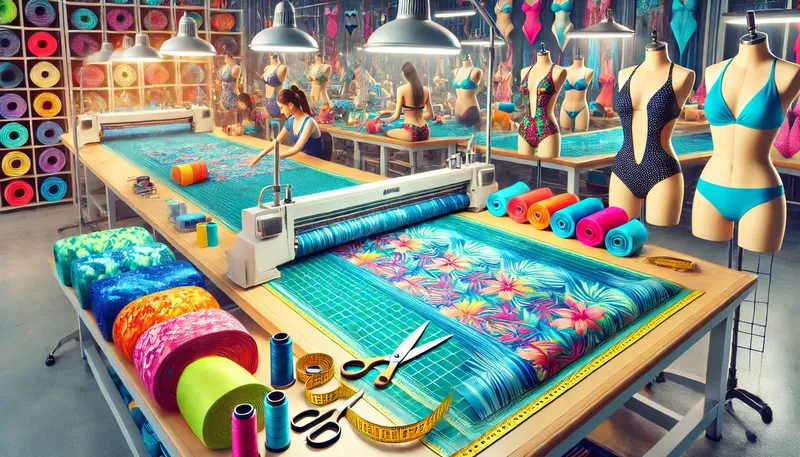
3.1 Fabric compositions & targets
Nylon/Spandex 80/20 — best all-round stretch/recovery and handfeel for shaping and support.
Polyester/Spandex 85/15 — stronger UV and print clarity; slightly lower stretch; favorable for light colors.
Recycled options — Econyl® (regenerated nylon) or REPREVE® (recycled polyester) for sustainability and chlorine resilience narratives.
3.2 Stretch & recovery (reproducible)
Direction | Minimum Stretch | Optimal Stretch | Recovery Gate | Method |
|---|---|---|---|---|
Horizontal | ≥85% | 100–120% | ≥95% after 24 h | |
Vertical | ≥65% | 80–90% | ≥90% after 24 h | Same as above (report both directions) |
Sampling note: condition specimens per ASTM D1776 before tests.
3.3 Linings & support materials
Power-mesh 220–250 gsm with multi-directional stretch; map to tummy, side, and bust zones.
Elastics edges 8–12 mm; min 100% stretch; 24-h recovery ≥98%; heat tolerance to 180 °C (iron/press safety).
Hardware UV-stable plastics or coated metals; salt-spray or 72-h submersion screening; anti-rust finish.
4) Construction engineering by sub-category
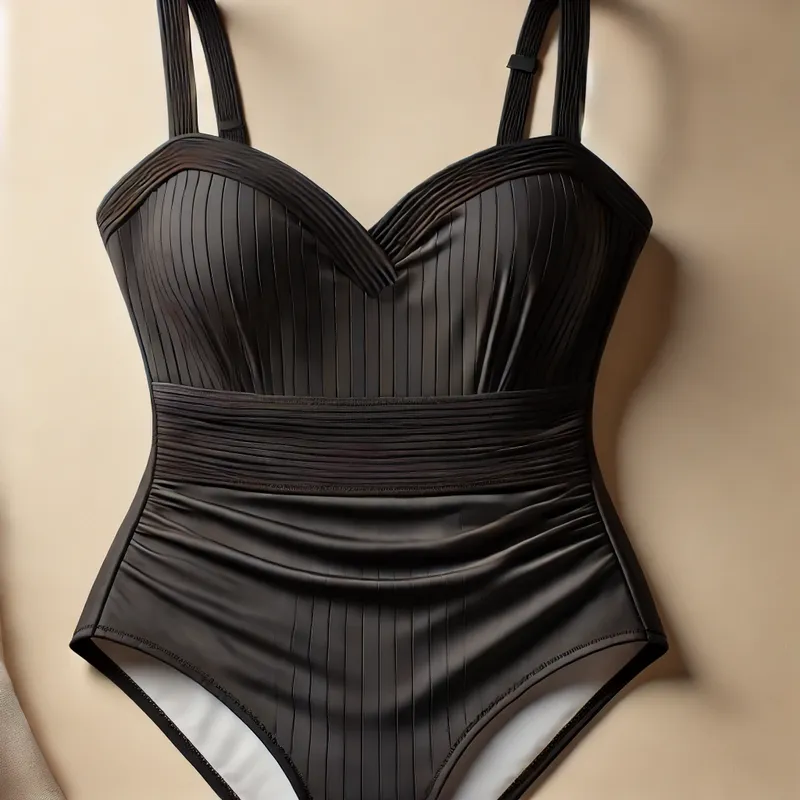
4.1 Stitch architecture & seam strength
Element | Target | Verification | Method |
|---|---|---|---|
Seam strength | ≥25 lb/in | Pull test on side seams & armholes | |
Stitch density | SPI 12–16 (stretch areas) | Microscope count | |
Strap security | ≥30 lb pull | Tension test on attachment points |
4.2 Support systems
Underwire: reinforced channeling, anti-chafe casing, moisture barrier; corrosion-checked closures.
Non-wire: powermesh cradle + contoured cups + stabilized side panels; optional strategic boning.
High-impact: cross-back straps, distributed load paths, elastic pre-tensioning and variable stretch zones.
4.3 Finishing & heat setting
Primary construction (seam alignment, tension balancing)
Reinforcement at mapped stress points (from 3D fit or fit-model feedback)
Final finishing: heat setting, QA inspection, on-form fit verification, comfort audit
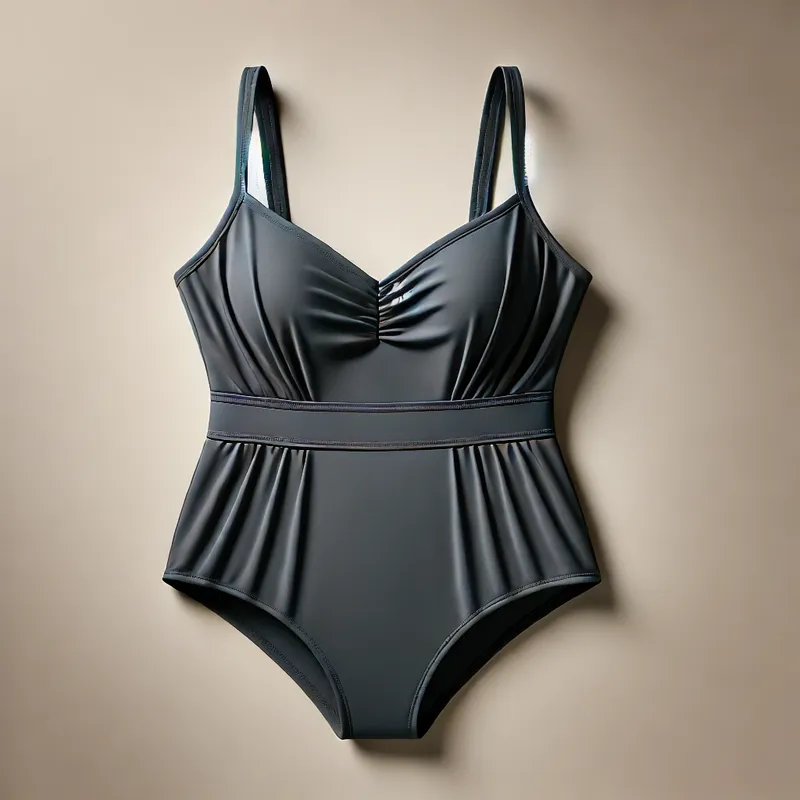
5) QC, AQL & reproducible test matrix
Pair internal line checks with third-party verifiable gates to build buyer trust.
5.1 AQL & inspection
Pre-production: fabric & trim qualification (stretch, recovery, color, chlorine, UPF as applicable)
In-line: 12-point checkpoints with measurement first bulk 100%
Final: random sampling to AQL (typ. 1.0–2.5 for premium lines)
5.2 Test matrix by risk area
Risk | Gate & Threshold | Standard/Method | Evidence to File |
|---|---|---|---|
Stretch/Recovery | Horiz. ≥100%, Vert. ≥80%; recovery ≥95%/≥90% (24 h) | ASTM D4964 / ISO 20932-1 | Lab report PDF; raw curves |
Color/Print | Light fastness ≥4; wet/dry crocking pass | ISO 105-B02, AATCC 8/116 | Swatch photos (std lighting) |
Chlorine | No significant degradation after 50 cycles | ISO 105-E03 | Cycle log; pre/post tensile |
UPF | UPF 50+ certified | AATCC 183 / AS 4399 | UPF cert; fabric lot IDs |
Seam/Strap | Seam ≥25 lb/in; strap ≥30 lb | ASTM D1683; ASTM D5034 | Pull test photos & data |
Third-party options: SGS, Intertek, QIMA, Bureau Veritas. Upload sample reports for traceability.
6) Sampling plan & bulk production calendar
6.1 Sampling cadence (typical)
Initial sample (2–3 wks): pattern dev (3–5 d), material sourcing (5–7 d), build (3–5 d), fit (2–3 d)
Refinement (2–3 wks): pattern adj., material behavior review, support optimization
PPS/Size run (2–3 wks): validate full graded fit + line method
6.2 Bulk calendar (illustrative)
Phase | Owner | Output | Gate | Days |
|---|---|---|---|---|
Tech pack & base pattern | Brand/Factory | Spec-complete pack | Sign-off | 3–5 |
Material booking | Factory | PO & lab dips | Color OK | 5–7 |
PP sample | Factory | PPS | Fit OK | 7–10 |
Bulk cut & sew | Factory | Line output | AQL inline pass | 15–30 |
Final inspection | 3rd Party | AQL cert | Ship-release | 2–3 |
7) Cost drivers & MOQ tiers
7.1 Primary cost drivers
Fabric system (gsm, recycled content, chlorine grade)
Support architecture (powermesh coverage %, underwire vs. non-wire)
Hardware package (rust-proofing, custom closures)
Complexity (panel count, finishing passes)
Defect prevention (extra line checks reduce returns; net positive margin)
7.2 Illustrative MOQ bands
Tier | Per-style MOQ | Notes |
|---|---|---|
Proto/Pilot | 30–80 pcs | Line learning; higher unit cost |
Core | 100–300 pcs | Best cost balance; colorways pooled |
Scale | 500+ pcs | Elastic & hardware price breaks |
8) Data transparency & evidence pack
To improve Trust and Accuracy, pair claims with verifiable artifacts:
Fabric batch test PDFs (stretch/recovery, light fastness, chlorine) mapped to
lot-IDAQL final report (Level II, AQL 1.0–2.5) with photos
UPF certificate (where applicable) and scope of certification (fabric vs. garment)
Sustainability attestations: OEKO-TEX® Standard 100, ISO 14001
Social compliance (e.g., WRAP)
Method notes: specimen conditioning (ASTM D1776), stitch standards (ISO 4915), seam tests (ASTM D1683), tensile (ASTM D5034)
Labeling internal vs. external data. When we report, e.g., “returns reduced by 34%,” we mark it as internal historical data. Your due diligence: request the paired test reports and AQL certificates for the same lots.
9) Appendix: checklists, templates & glossary
9.1 Pre-sourcing checklist
Define sub-category (e.g., Underwire Shaping One-Piece)
Set performance gates (stretch/recovery, seam/strap loads, chlorine/UPF)
Choose fabric system (80/20 vs. 85/15; recycled yes/no)
Map support zones (powermesh coverage %)
Agree AQL level & 3rd-party lab
Lock sampling calendar & bulk slots
9.2 Mini test-report template (copy-ready)
Attribute | Spec | Result | Method | Pass/Fail |
|---|---|---|---|---|
Horiz. stretch | 100–120% | ___% | ASTM D4964 | □ / □ |
Horiz. recovery (24 h) | ≥95% | ___% | ISO 20932-1 | □ / □ |
Vertical stretch | 80–90% | ___% | ASTM D4964 | □ / □ |
Light fastness | ≥4 | ___ | ISO 105-B02 | □ / □ |
Seam strength | ≥25 lb/in | ___ | ASTM D1683 | □ / □ |
Strap pull | ≥30 lb | ___ | ASTM D5034 | □ / □ |
Chlorine cycles | 50 cycles (no sig. degr.) | ___ | ISO 105-E03 | □ / □ |
UPF rating | 50+ | ___ | AATCC 183 | □ / □ |
9.3 Glossary (selected)
Recovery: % return to original dimension after specified elongation and rest period.
SPI: Stitches per inch; higher in stress/curve areas for stability.
AQL: Acceptable Quality Limit; statistical sampling acceptance threshold.
10) Standards & references (authority links)
ASTM D4964 (Stretch), ASTM D1683 (Seam), ASTM D5034 (Grab Tensile), ASTM D1776 (Conditioning)
ISO 20932-1 (Elastic fabrics—extension and recovery), ISO 4915 (Stitch types), ISO 105 series (Color fastness)
AATCC 183 (UPF), AATCC 135 (Dimensional change on home laundering)
OEKO-TEX® Standard 100; ISO 14001 (Environmental Management); WRAP (social compliance)
AQL primer: QIMA; Third-party labs: SGS, Intertek, Bureau Veritas
Sustainable yarns: Econyl®, REPREVE®
Market context: trade press (e.g., Vogue), sector reports (McKinsey/Statista/Euromonitor)
External links are provided for authority and reproducibility; use the latest revision of each standard in procurement contracts.
© SwimsuitCustom — Expanded, standards-backed edition. This version retains all original imagery and core guidance while adding citations, test methods, and reproducible QA.