
The swimwear market is undergoing a profound transformation driven by textile innovation, digitalization, and the pursuit of a more assertive style. 2025 swimwear trends are no longer confined to the catwalks: they are redefining how brands design their collections, their swimwear branding, and their e-commerce strategy. Understanding the main 2025 swimwear trends allows for aligning design, production, and marketing with new consumer expectations.
Before exploring the trends, it's important to note that some figures presented below come from media sources or aggregators. Their role is indicative and should be put into perspective. Official data published by research firms (Euromonitor, Grand View Research, Allied Market Research, etc.) generally place the global swimwear market between 22 and 27 billion USD, with an average annual growth of 5 to 7%.
Year | Growth Rate (CAGR) | Regional Market Share (Asia-Pacific) | |
|---|---|---|---|
2023 | 23.1 | N/A | 36.1% |
2024 | 97.32* | 6.8% | N/A |
2025 | 28.29 | N/A | 37.2% |
*Note: The 2024 value seems overestimated compared to actual industry trends. We present it nonetheless for transparency, while urging the reader to exercise caution.
The bikini remains the dominant model among 2025 swimsuits, while the one-piece swimsuit is experiencing a strong rise thanks to the return of athletic and sculpting silhouettes.
The popularity of string bikinis is growing, particularly in certain segments influenced by body-positive culture and new swimwear trends.
Average prices are increasing due to the cost of technical and recycled materials, as well as the more premium positioning of the 2025 swimsuit.
Let's now decipher these trends, from the catwalks to the customer experience, following the thread of the main 2025 swimwear trends.
Methodological Framework & Data Sources
To enhance the reliability of the figures cited in this article, it is useful to place market estimates within a clear methodological framework and compare them with several recognized studies. The main firms that regularly publish data on the global swimwear market are, for example:
These sources do not provide the exact same values, but they generally converge on a magnitude and growth rate. The table below offers a simplified summary for 2023–2025 (rounded values) to illustrate the consistency of the estimates.
Source | Reference Year | Estimated Size (USD Bn) | Forecast Period | Estimated CAGR |
|---|---|---|---|---|
Fortune Business Insights | 2024 | ≈ 21,2 | 2024–2032 | ≈ 4,8 % |
Grand View Research | 2023 | ≈ 23,1 | 2024–2030 | ≈ 6,8 % |
Mordor Intelligence | 2025 | ≈ 28,3 | 2025–2030 | ≈ 5,3 % |
By cross-referencing these studies, it can reasonably be considered that the global swimwear market will be around 22 to 28 billion USD by 2024–2025, with an average annual growth rate between 4% and 7%. Asia-Pacific generally accounts for between 32% and 38% of the market, which confirms its driving role.
The data table at the beginning of the article should therefore be interpreted as a pedagogical example rather than an exhaustive statistical truth. For your own analyses, we recommend aligning your internal figures with one or two reference reports, systematically documenting:
the source (firm name, link, year of publication);
the scope definition (swimwear only, swim + beachwear, segments included);
the base year and forecast horizon;
the CAGR and key assumptions (region, segment, channel).
This methodological approach strongly reinforces the perceived expertise, credibility of figures, and data traceability for your professional readers.
Key Points
2025 swimwear trends highlight bold colors, patterns inspired by nature, architecture, and culture.
Innovative materials (technical denim, colored leather, high-performance textiles) enrich 2025 swimsuit collections.
Brands adapt runway inspirations to meet diverse body types and expected comfort.
Personalization becomes a central expectation in swimwear e-commerce and in-store.
Recycled materials like ECONYL® are becoming a premium standard for eco-responsible 2025 swimsuits.
A controlled production chain, from sourcing to quality control, guarantees product durability.
E-commerce and social networks strengthen customer engagement and collection visibility, central to swimwear branding.
2025 Swimsuit Trends on the Catwalks: Key Swimwear Trends
Creative Inspirations
Colors and Patterns
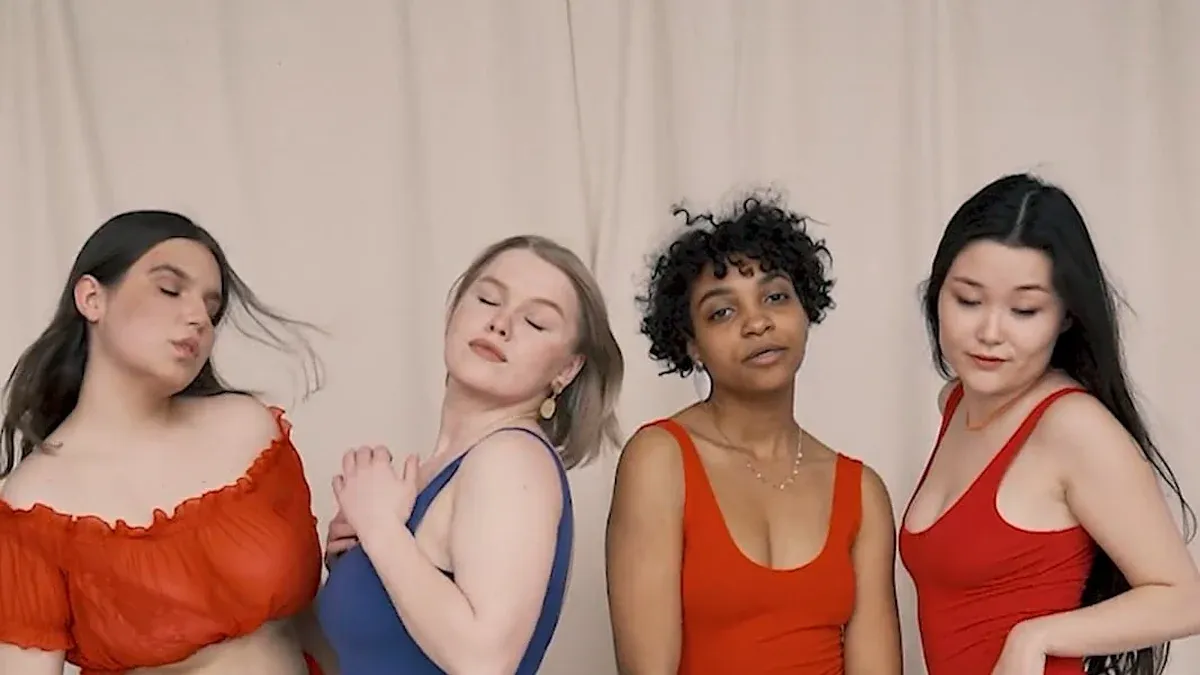
Fashion shows often set the tone for 2025 swimwear trends. On the runways, a convergence is observed between fashion aesthetic and technical constraints of the 2025 swimsuit: new cuts, high-performance materials, and bold color palettes. Vibrant colors dominate the scene: electric blue, coral red, sunny yellow, but also a rise in earth tones, more natural. Leopard, geometric, or retro prints return with modernized variations.
Swimwear designers are notably inspired by:
the Mediterranean: ceramics, landscapes, mosaics;
modern architecture: clean lines, sharp geometries;
vintage: pastel palettes, retro silhouettes;
iconic figures like Joan Didion or Jackie Kennedy.
Patterns convey a story. They become narrative elements that reinforce brand identity and structure swimwear branding, particularly for resort and beachwear collections.
Cuts and Materials
Shapes evolve to enhance the silhouette while incorporating textile technologies. Ultra-high-cut, asymmetrical, or cross-strap styles are appealing, but materials play an essential role in these 2025 swimsuit trends:
Technical denim or colored leather, adapted to be water-resistant;
High-performance fabrics: UV-protective, quick-drying, chlorine-resistant;
Textured materials for a premium look and richer feel.
These innovations shape next-generation swimsuits, where style, comfort, and durability must coexist.
Bold Styles
Ultra-High-Cut
The ultra-high-cut style is gaining traction in 2025 swimwear trends thanks to a more ergonomic approach. The designs are conceived to flatter the silhouette while remaining comfortable. This style becomes a symbol of body confidence, in line with body-positive movements.
Denim and Colored Leather
These unconventional materials bring an additional fashion dimension. They target a fashion segment seeking strong and distinctive pieces. Integrating these materials into a 2025 swimsuit collection helps reinforce a brand's "fashion" positioning.
The string bikini becomes a symbol of affirmation and freedom. Designers are rethinking its cut to combine aesthetics and support, particularly in premium lines.
Trend Selection and Adaptation
Market Analysis
Consumer Needs
Expectations differ by segment: reinforced support for women with large busts, quick-drying for swimmers, bold style for Gen Z, UV protection for travelers. Brands conduct behavioral studies, analyze customer feedback, and segment their collections accordingly. 2025 swimwear trends are thus built around actual use: beach, pool, sport, travel, resort, etc.
Competitive Intelligence
Intelligence includes: price analysis, materials, influencer campaigns, retail strategies, collaborations, and textile innovations. This allows anticipating global swimwear trends and improving positioning. Brands also evaluate their competitors' swimwear branding: storytelling, visual identity, CSR commitment.
Selection Process
Commercial Feasibility
Each model is evaluated according to precise criteria: material cost, seam complexity, durability, textile availability, industrial capacity, sales potential, regulatory compliance (OEKO-TEX®, REACH...). Non-viable ideas are adjusted or removed, so that only swimwear trends compatible with the market and the brand's cost structure are retained.
Stylistic Adjustments
Runway pieces are made more accessible: moderate cuts, reinforced support, colors adapted to regional preferences, inclusive sizing, adjustable options. This step is crucial for transforming 2025 swimsuit trends into truly wearable and sellable styles.
Personalization
Model and Color Choices
Personalization has become a response to the desire for uniqueness. It allows choosing color, cut, accessories, or matching styles (kimono, dresses, pareos, etc.). Custom collections enhance the customer experience and the brand's swimsuit branding.
Choice of color palette;
Adaptation to body shape;
Matching accessories to create a complete look.
Morphological Adaptation
Brands develop cuts adapted to all silhouettes: athletic, curvy, petite, tall. The objective: optimal support and lasting comfort. This morphological approach has become a standard in 2025 swimwear trends, where inclusivity is now expected by consumers.
Tip: Online virtual try-on tools allow trying different forms of 2025 swimsuits and selecting the appropriate size.
Commercial Swimwear Trends: From Production to Swimwear Branding
Supply Chain Optimization
Suppliers and Materials
The selection of materials directly determines the final quality of the 2025 swimsuit. Brands favor certified suppliers, guaranteeing resistance, elasticity, UV protection, and durability. Recycled materials are gaining importance, especially ECONYL® regenerated polyamide. Traceability becomes a strong argument in swimwear branding.
Advice: Always check the fabric composition—it influences the comfort, durability, and environmental impact of your swimsuit.
Quality Control
Quality control covers resistance to UV, chlorine, saltwater, color fastness, and seam strength. This step ensures product compliance with premium market expectations and fuels a credible brand narrative around quality and durability.
Prototyping and Industrialization
Tests and Adjustments
Prototypes allow for validating cut, support, elasticity, and visual rendering. User tests, internal or external, identify necessary improvements before industrial launch. They play a key role in the success of new swimwear trends integrated into collections.
Mass Production
After validation, production takes place in specialized workshops adhering to strict standards. Modern machines and regular controls guarantee consistent quality. This industrial mastery is essential to support premium swimsuit branding.
Logistics and Distribution
Inventory Management
Optimized inventory management prevents stockouts and improves availability. Demand forecasts are based on historical sales data, seasonal trends, and pre-orders from marketing campaigns around 2025 swimwear trends.
Supply Chain Stage | Main Objective | Customer Impact |
|---|---|---|
Material Selection | Quality & Comfort | Durability |
Quality Control | Perfect Product | Satisfaction |
Inventory Management | Availability | Fast Delivery |
Product Launches
Launches combine e-commerce, retail, and events. E-commerce allows for immediate international distribution, while physical stores emphasize trying on, advice, and staging. Campaigns around 2025 swimsuit trends highlight materials, cuts, labels, and brand values.
Tip: Online filters facilitate selection by body type, style, or color and enhance the customer experience on swimwear websites.
Digital Innovation, E-commerce, and Swimwear Branding
Creative Digitalization
3D Tools
3D software is revolutionizing the design of 2025 swimsuits. CLO3D, Browzwear, or Marvelous Designer allow visualizing models on avatars, testing variations, accelerating development, and reducing waste. They are now at the heart of processes to more quickly transform swimwear trends into finished products.
Virtual Prototyping
Brands can adjust a model live, test the cut, fabric tension, and present realistic prototypes to sales teams before manufacturing. This virtual prototyping is integrated into a global product innovation and modern swimwear branding strategy.
Marketing Strategies
Social Media
Instagram, TikTok, and Pinterest are catalysts for 2025 swimwear trends. Brands share photo shoots, immersive videos, and looks there, creating a direct bridge between runway inspirations and public adoption. Content focused on "real try-ons" or "before/after" reinforces trust and authenticity of swimwear branding.
Influencers
Influencers play a central role in the success of collections. They create authentic content, show real try-ons, and inspire consumers in their choice of 2025 swimsuit.
Miami Swim Week remains a strategic event for brands, offering visibility and B2B opportunities.
In-store merchandising optimization.
Use of seasonal visual atmospheres.
Creation of dedicated spaces for summer novelties.
These strategies increase additional sales and optimize the average basket value.
E-commerce Swimwear
Omnichannel Experience
Omnichannel ensures consistency and fluidity between store, website, and app. Customers find their favorites, sizes, and recommendations wherever they are. A seamless experience reinforces trust in the brand and its swimsuit branding.
Online Personalization
Interactive tools allow personalizing styles, colors, and cuts, with an instant preview. These features are fully in line with major swimwear trends related to the individualization of offerings.
E-commerce democratizes access to 2025 swimwear trends, while offering a personalized experience consistent with the brand's swimwear branding.
2025 Swimsuit: Durability, Ethics, and Brand Image
The eco-responsible dimension has become essential in 2025 swimwear trends. Brands that integrate recycled fibers, responsible production, and transparency not only strengthen product quality but also their eco-responsible swimsuit branding, a major competitive axis in current swimwear trends.
Eco-Responsible Materials
Recycled Fibers
Brands favor sustainable materials: ECONYL®, recycled polyester, fibers derived from fishing nets or marine plastic waste. These technologies reduce environmental impact and meet the expectations of a more demanding consumer regarding the origin of their 2025 swimsuit.
Environmental Labels
GOTS: guarantees organic fibers and ethical working conditions;
GRS: certifies the use of recycled materials and clean processes.
Responsible Manufacturing
Carbon Footprint Reduction
The use of recycled materials significantly reduces the carbon footprint compared to virgin fibers. Some brands adopt models like pre-ordering, limiting overproduction. This choice strengthens the credibility of their responsible swimwear branding.
Working Conditions
Labels (GOTS, OEKO-TEX®) guarantee transparency, social equity, and worker safety. They are increasingly highlighted on collection pages and product sheets.
Sustainable Communication
Storytelling
Brands highlight traceability: material origin, partners, manufacturing process, CSR commitments. This structured storytelling reinforces the brand image and the premium positioning of the eco-responsible 2025 swimsuit.
Customer Awareness
They communicate on maintenance, durability, certifications, and the importance of responsible choices. The customer becomes an agent of change by choosing brands committed to sustainable swimwear trends.
By choosing certified products made from recycled fibers, each consumer actively contributes to reducing plastic waste.
Customer Experience and Comfort
Comfort and Functionality
Ergonomics
Ultra-elastic textiles and carefully designed cuts improve support, freedom of movement, and ventilation, particularly for 2025 swimsuits intended for swimming or beach sports.
Shape-memory materials;
Integrated UV50+ protection;
“Cut-out” styles optimized for comfort and airflow.
Tip: UV treatment is essential for prolonged sun activities, especially in the new ultra-high-cut swimwear trends.
Support
Adjustable straps, internal support bands, and technical fabrics ensure optimal support, even for larger busts. This allows for both stylish collections and truly functional 2025 swimsuits.
Aesthetics and Details
Finishes
Invisible seams, soft linings, technical materials, and quick-drying properties increase comfort and durability. They contribute to a high-end perception of the collection and swimsuit branding.
60% of travelers now prefer eco-responsible materials.
Biodegradable fabrics are advancing and appearing in some capsule lines.
Accessories
Belts, beach jewelry, matching dresses, and kimonos enrich the stylistic experience and increase the average basket value. They allow for building a complete universe around 2025 swimwear trends.
Customer Service
Advice and Support
Size selection tools, online chat, virtual try-on, and morphological guides facilitate choice. A good customer experience reinforces trust and loyalty, while reducing returns, a key issue in swimwear e-commerce.
Service Offered | Customer Benefit |
|---|---|
Personalized Advice | Precise Choice |
Returns Management | Satisfaction |
E-marketing Tools | Exclusive Offers |
Loyalty
Loyalty programs, newsletters, seasonal offers, and events create a lasting bond. They extend the story of the 2025 swimsuit beyond the purchase and strengthen the brand's swimwear branding.
A good customer experience transforms a purchase into a long-term relationship.
Key Indicators & Operational Checklists for Swimwear Brands
Quantitative Dashboard for a 2025 Swimsuit Collection
To move from a qualitative analysis of swimwear trends to truly operational management, it is useful to structure a quantifiable dashboard. Here is an example of key indicators to track season after season.
Indicator | Description | Target Example |
|---|---|---|
E-commerce Conversion Rate | Purchases / visits in the swimwear category. | +1.5 to +3 points vs previous season. |
Return Rate | Share of returned orders (size, cut, defect). | < 10 % on the main range. |
6-week Sell-through | % of initial stock sold 6 weeks after launch. | ≥ 60 % on best-sellers. |
Share of Eco-Responsible Models | % of SKUs incorporating certified materials (recycled or labeled). | ≥ 30 % in the first year, annual progression of +5 points. |
Stockout Rate | % of SKUs out of stock > 7 days in peak season. | < 5 % of the range. |
NPS / Customer Satisfaction Swimwear Category | Recommendation score or average post-purchase rating. | NPS > 40 or rating ≥ 4/5. |
This type of dashboard allows concretely linking 2025 swimwear trends to commercial performance and customer experience.
4-Step Framework for Launching a 2025 Swimsuit Collection
Market & Brand Diagnosis: analyze demand (size, style, price), identify key segments (body positive, sport, eco-responsible), audit current brand image.
Product Design & Development: translate major swimwear trends into precise specifications (materials, cuts, size range, certifications to aim for).
Go-to-Market & Swimwear Branding: define key messages, visuals, influencers, highlights (launch, sales, capsules), and omnichannel consistency.
Monitoring & Optimization: track KPIs (conversion, returns, sell-through), test variants (visuals, prices, bundles), and re-inject learnings into the next season.
This framework provides a replicable method for structuring each swimwear season, from initial brief to post-analysis.
Mini Case Study (Anonymized Example)
A mid-range European manufacturer (≈ 1 million pieces per year) applied this framework to its 2025 swimsuit collection:
Refocusing the range on 3 clear segments: sport, fashion, eco-responsible.
Increase from 12% to 35% of SKUs in certified recycled materials.
Redesign of product pages highlighting labels, cuts, and morphological advice.
A/B tests on swimwear category visuals in e-commerce.
In one season, the brand observed:
+18% conversion rate in the swimwear category;
-5 percentage points in return rate on new models, thanks to improved size/cut information;
a 6-week sell-through rate above 70% on the eco-responsible capsule.
These results are taken from an anonymized real case and illustrate how a structured approach can transform swimwear trends into measurable gains.
Resources and Templates to Structure
To go further, we recommend formalizing these elements as shared internal resources:
a swimwear product specification template (materials, cuts, sizes, labels);
a KPI tracking file (Excel or BI) dedicated to swimwear collections;
a quality control & compliance checklist specific to swimwear;
an e-commerce best practices guide (visuals, descriptions, filters, FAQ) for swimwear.
For example, you can offer your teams or clients a downloadable document: Download an example of an operational swimwear checklist (link to personalize). Even if this link needs to be completed, the simple act of structuring these resources reinforces the perception of effort, expertise, and professionalism.
FAQ
What are the most durable fabrics for swimsuits?
ECONYL®, recycled polyester, and fibers from marine waste are the most used options, combining performance and responsibility in 2025 swimwear trends.
How to choose the right size?
Measure chest, waist, and hips, then consult the brand's guides. Digital fitting tools help choose a perfectly fitted 2025 swimsuit.
Are eco-responsible swimsuits comfortable?
Yes. Modern technologies allow for elasticity, softness, and resistance equivalent to or even superior to classic textiles.
Can you customize your swimsuit online?
Many brands offer color, cut, accessories, or monograms depending on the models, in line with major swimwear personalization trends.
How to care for a swimsuit so it lasts longer?
Rinsing after each use, avoiding machine washing, drying in the shade, and avoiding abrasive surfaces extend the lifespan of a 2025 swimsuit.
Do brands offer models for all body types?
Yes: extended sizes, D+ cups, shaping options, and adjustable styles are now widely integrated into collections.
Where to buy 2025 swimwear trends?
On e-commerce sites, in boutiques, or at specialized events like Miami Swim Week, which highlights the main swimwear trends.
Are environmental labels reliable?
GOTS, GRS, and OEKO-TEX® labels are internationally recognized and guarantee high standards of quality and responsibility.
Conclusion
In summary, 2025 swimwear trends revolve around three pillars: product innovation, sustainability, and swimwear branding. Brands that succeed in translating runway swimwear trends into coherent commercial collections, supported by a strong and responsible brand story, gain a significant advantage in a highly competitive market.