Key Takeaways for Swimwear Brands:
•Sustainable Transition: Recycled and bio-based fabrics like ECONYL® and LYCRA® EcoMade are becoming the baseline for new collections.
•Smart Integration: Nanotechnology and biosensors offer unique selling propositions (USPs) for performance and athleisure lines.
•Sourcing Strategy: Understanding MOQs, lead times, and certifications is critical when selecting an OEM partner for next-gen fabrics.
Introduction: Transformation Beyond the Pool
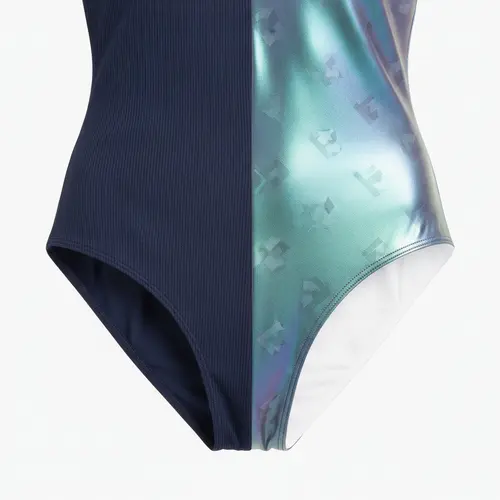
The swimwear industry is undergoing an unprecedented and profound transformation. This guide is for swimwear brand founders, designers, and manufacturers sourcing next-gen fabrics. It is no longer merely a cyclical fashion trend centered on cut and seasonal prints, but rather a technological revolution driven jointly by materials science, consumer consciousness, and environmental responsibility. From the "shark skin" worn by Olympic athletes breaking world records to the beachwear we wear daily, the fabric technology behind it all is being fundamentally reshaped.
Today's consumers, while pursuing fashion and comfort, are also more conscious than ever of the environmental attributes and durability of products. This article will delve into the latest fabric innovations reshaping the swimwear market, analyze how sustainable materials have evolved from an "option" to a "new standard," examine how smart technology is endowing swimwear with unprecedented functionality, and based on current market data and technological trends, paint a blueprint for the future of the swimwear industry from a custom manufacturing perspective.
Why Brands Should Care
Fabric innovation directly impacts a brand's bottom line. Incorporating advanced sustainable or smart textiles allows brands to command a premium price point, differentiate their collections in a crowded market, and appeal to eco-conscious Gen Z and millennial consumers. Furthermore, understanding the supply chain implications—such as production cycles and Minimum Order Quantities (MOQs)—is essential for optimizing B2B efficiency and profitability.
The First Wave: Sustainability Becomes the New Standard for Your Brand
Sustainability is no longer a marketing slogan but a core issue that swimwear brands must confront. It is estimated that the global textile industry contributes approximately 6-8% of global carbon emissions, and producing one kilogram of conventional cotton may consume as much as 10,000 liters of water . Against this backdrop, the swimwear industry is actively embracing eco-friendly materials, leading a green revolution.
1.1 The Maturation and Evolution of Regenerated Fibers: Sourcing Guide
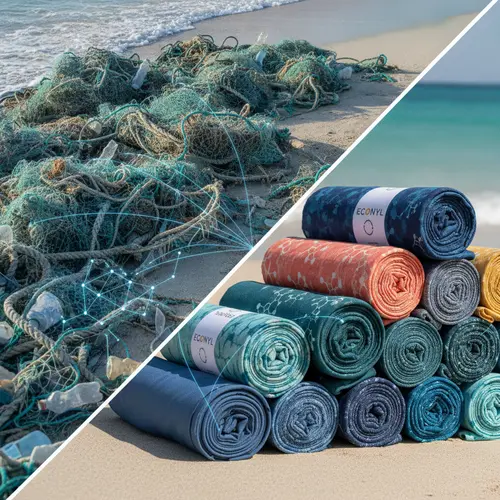
Regenerated nylon and polyester are pioneers of this transformation. Regenerated fibers represented by ECONYL® and REPREVE® have been widely adopted by major brands. ECONYL® recovers waste nylon from discarded fishing nets, old carpets, and other sources, not only cleaning up ocean waste but also reducing global warming potential (GWP) by up to 90% compared to conventional nylon production .
The latest trend is to further focus recycled sources on marine waste and achieve 100% material circularity. For example, regen™ Ocean nylon developed by Hyosung specifically utilizes discarded fishing nets, with CO2 emissions from its production reduced by 51% compared to conventional nylon. Global swimwear brand Speedo has adopted this 100% recycled fabric composed of 80% regen™ Ocean nylon and 20% regen™ recycled spandex in its latest Ocean Flex series . Similarly, Italian brand Yamamay has collaborated with fabric suppliers to launch a swimwear line using the FishTale® fabric, which is also composed of recycled "ghost fishing nets" and 100% recycled spandex .
For Brands: When sourcing regenerated fibers, consider the availability of certifications like GRS (Global Recycled Standard). These fabrics are highly suitable for custom manufacturing, offering excellent printability and color retention.
Sourcing Consideration:
•Supplier Type: Look for OEMs with established relationships with certified yarn suppliers (e.g., Aquafil for ECONYL®).
•MOQ: Typically ranges from 100 to 500 yards per color/print, depending on the manufacturer.
•Lead Time: Sourcing certified recycled fabrics may add 1-2 weeks to the initial sampling phase.
1.2 Bio-Based Materials: The Perfect Combination of Performance and Environmental Protection
If regenerated fibers represent the circular utilization of the "past," then bio-based materials represent a green investment in the "future." These materials are extracted from renewable plant resources such as corn and sugarcane, reducing dependence on fossil fuels from the source.
A breakthrough in this field is the LYCRA® EcoMade fiber introduced by The LYCRA Company. This innovative spandex contains 70% bio-based content (primarily from corn) and delivers performance identical to traditional LYCRA® fiber, maintaining excellent elasticity, recovery, and durability . Renowned swimwear brand Arena has taken the lead in adopting this new eco-friendly spandex in its Vitalife series, providing professional athletes and swimming enthusiasts with a new choice that combines high performance with sustainability.
For Brands: Bio-based materials are ideal for premium collections targeting environmentally aware consumers who do not want to compromise on performance. The durability of products made with these materials ensures a longer lifecycle, adding value to the consumer.
Sourcing Consideration:
•Supplier Type: Advanced OEMs with access to cutting-edge textile innovations.
•Cost: Expect a 15-25% premium over conventional spandex, which can be offset by higher retail pricing.
•Certifications: Verify USDA BioPreferred or similar certifications.
Fabric Sourcing Comparison Table
| Fabric Technology | Recycled Source / Base | Environmental Benefits | Brand Application Examples | Customization Suitability | Typical MOQ Impact |
|---|---|---|---|---|---|
| ECONYL® | Fishing nets, carpets, industrial plastic | GWP reduction up to 90% | Aquafil, numerous fashion and sports brands | High (Excellent for printing) | Standard to Medium |
| regen™ Ocean | Discarded fishing nets | CO2 emissions reduced by 51% | Speedo (Ocean Flex series) | High | Medium |
| FishTale® | Ghost fishing nets | Promotes marine waste circularity | Yamamay | Medium | Medium to High |
| LYCRA® EcoMade | 70% bio-based (corn) | Reduces fossil fuel dependence | Arena (Vitalife series) | High (Performance focused) | Standard |
The Second Wave: Smart Technology Redefines Functional Boundaries for Your Brand

Building on a foundation of sustainability, technology is endowing swimwear with unprecedented "intelligence." The swimwear of the future will no longer be a passive garment but an intelligent interface capable of interacting with the wearer and the environment.
2.1 Nanotechnology and the Application of "Super Materials"
Graphene, a two-dimensional material composed of a single layer of carbon atoms, is moving from the laboratory to the consumer market. Research indicates that incorporating graphene into nylon-spandex composite materials could bring three revolutionary improvements :
1.Intelligent Thermoregulation: Graphene's excellent thermal conductivity can help maintain body temperature in cold water and rapidly dissipate heat in warm environments.
2.Ultra-High Durability: Its tensile strength is 30-40% higher than conventional spandex, significantly extending swimwear lifespan.
3.Natural Antibacterial Properties: Helps inhibit bacterial growth in humid environments, maintaining hygiene.
Although currently in the prototype testing phase, samples from some European sports technology startups have already demonstrated 20% faster drying times than traditional fabrics and performance that does not degrade after more than 50 washes.
For Brands: Integrating nanotechnology can elevate your brand into the high-performance or luxury athleisure segments.
Sourcing Consideration:
•Availability: Currently limited to specialized high-tech textile mills.
•Prototyping: Requires higher R&D budgets and longer sampling cycles.
2.2 From Wearables to "Seamlessly Integrated" Biosensors
Future smart swimwear will transcend simple armbands or chest straps, achieving "invisible" sensor integration. Through conductive yarns and specialized polymers, the fabric itself becomes the sensor, capable of real-time, non-invasive monitoring of key physiological data such as electrocardiogram (EKG), respiration rate, muscle exertion (EMG), and even hydration status . This data will be transmitted via Bluetooth to mobile applications, providing professional athletes with precise training feedback and ordinary enthusiasts with health warnings.
2.3 Dynamic Response Fabrics: Swimwear That Changes Color
Imagine a swimsuit whose color changes based on your body temperature or ultraviolet intensity. This is not science fiction but the application prospect of photochromic and thermochromic technology. For example, when UV rays are too strong, patterns on the swimsuit will appear, reminding you to pay attention to sun protection; or when you're training and your body temperature rises too high, specific areas of the swimsuit will change color, warning of overheating .
Smart Textile Application Matrix for Custom Swimwear
| Smart Technology | Primary Benefit | Target Market | Sourcing Complexity |
|---|---|---|---|
| Graphene Integration | Thermoregulation, Durability | Performance, Athleisure | High |
| Integrated Biosensors | Health Monitoring, Data Tracking | Professional Sports, Wellness | Very High |
| Dynamic Response (Color Change) | UV Warning, Novelty | Mass Market, Kids, Lifestyle | Medium |
Market Outlook: Custom Manufacturing Trends for the Next Five Years
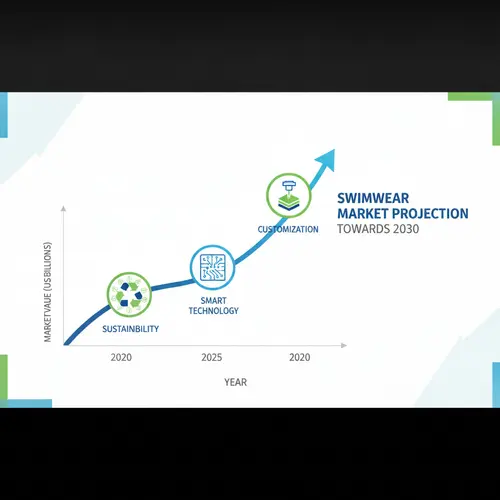
The global swimwear market is on a steady growth trajectory. According to multiple market analysis reports, the global swimwear market is expected to exceed $36 billion by 2030, with a compound annual growth rate (CAGR) stable between 5-7% . The sustainable swimwear fabric segment is growing even faster, with an estimated CAGR exceeding 8% over the next five years .
Three Core Market Trends for the Future:
1."Sustainability" is an Entry Ticket: As Gen Z and millennials become the dominant consumer force, environmental protection will no longer be a bonus but a baseline requirement. Brands unable to provide sustainable products will be marginalized by the market.
2.The Fusion of Functionality and Everyday Use: Influenced by the "Athleisure" trend, swimwear design will become increasingly multifunctional, suitable for beaches, gyms, and even everyday wear. This requires fabrics to possess not only professional performance but also premium texture and fashionable appearance.
3.Personalization and Customization: Advances in 3D printing and digital printing technology make small-batch, personalized production possible. Consumers will increasingly prefer customized swimwear that reflects personal style and provides a perfect fit.
From Trend to Production: Next Steps
Transitioning from trend research to actual production requires a strategic approach:
1.Define Your Fabric Strategy: Decide whether your collection will focus on recycled synthetics, bio-based materials, or smart textiles based on your target audience.
2.Request Fabric Swatches: Work with your OEM to source physical samples of ECONYL®, REPREVE®, or other innovative fabrics to test hand-feel and stretch.
3.Confirm MOQs and Lead Times: Ensure the selected fabric aligns with your production budget and launch timeline.
4.Develop Prototypes: Create initial samples to test the fabric's performance in real-world conditions (e.g., chlorine resistance, colorfastness).
Conclusion
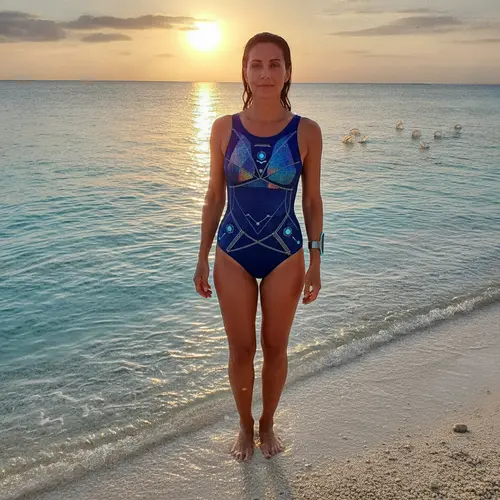
The wave of swimwear fabric innovation is propelling the entire industry forward with unprecedented force. From recycled fishing nets to bio-based fibers, from graphene coatings to color-changing fabrics, we see not only technological progress but also a perfect fusion of fashion, technology, and environmental consciousness. For brands, seizing this historical opportunity means not only standing out in fierce market competition but also contributing to the protection of our shared blue planet. For consumers, the future is promising—we are about to embrace a new aquatic world that is smarter, greener, and more personalized.
Ready to source sustainable fabrics for your swimwear brand? Contact our team for sampling and bulk production.
Custom Manufacturing Q&A
What is the MOQ for recycled swimwear fabric?
MOQs for recycled fabrics like ECONYL® typically range from 100 to 500 yards, depending on whether you choose stock colors or require custom dyeing and printing. Some specialized OEMs offer lower MOQs to support startups.
Is ECONYL® suitable for private label bikinis?
Yes, ECONYL® is highly versatile and is an excellent choice for private label bikinis. It offers exceptional stretch, shape retention, and resistance to sun creams and oils, making it ideal for premium swimwear lines.
How does the cost of bio-based spandex compare to traditional spandex?
Bio-based spandex, such as LYCRA® EcoMade, generally carries a premium of 15-25% over traditional spandex. However, brands often absorb this cost by positioning the product as a premium, sustainable offering.
Can I get custom prints on sustainable fabrics?
Absolutely. Most sustainable fabrics, especially recycled polyester and nylon, are highly compatible with digital sublimation and screen printing, allowing for vibrant, custom designs without compromising the fabric's eco-friendly properties.