Introduction: The Core of Swimwear Quality Control
Quality isn’t a single checkpoint — it’s a closed-loop system spanning material selection, cutting, assembly, finishing, and packaging. Best-in-class custom swimwear manufacturers combine standardized testing, skilled operators, and digital traceability to keep defect rates low and customer satisfaction high.
Pre-Production Checks
1) Fabric Selection
Material choice drives comfort, durability, color retention, and shaping. Common swimwear options include: nylon-elastane (e.g., 80/20) for soft hand-feel and stretch, polyester-elastane for chlorine resistance and colorfastness, and technical PBT for shape retention across repeated swims. Recycled fibers (ECONYL, REPREVE) support sustainability goals without compromising performance.
Material selection and pre-production verification influence comfort and longevity.
2) Material Testing
Before cutting begins, fabrics are validated against recognized benchmarks to reduce downstream risk:
Test Type | Standard | Purpose |
|---|---|---|
4-Way Stretch & Recovery | ASTM D3107 / ISO 14704-1 | Elasticity and return to shape |
Tensile Strength | ISO 2062 | Durability under tension |
Chlorine Resistance | AATCC TM147 | Pool chemical resistance |
Colorfastness | ISO 105 series | Color retention to wash/rub/sweat |
Abrasion/Pilling | ASTM D4970 | Surface wear and pilling resistance |
These lab checks reduce surprises in fit, finish, and longevity once the line moves to bulk. :
3) Prototype Approval
Patterns and construction are validated through iterative samples (tech pack → first proto → fit test → PP approval). Only after sign-off does bulk proceed.
In-Production Quality Control
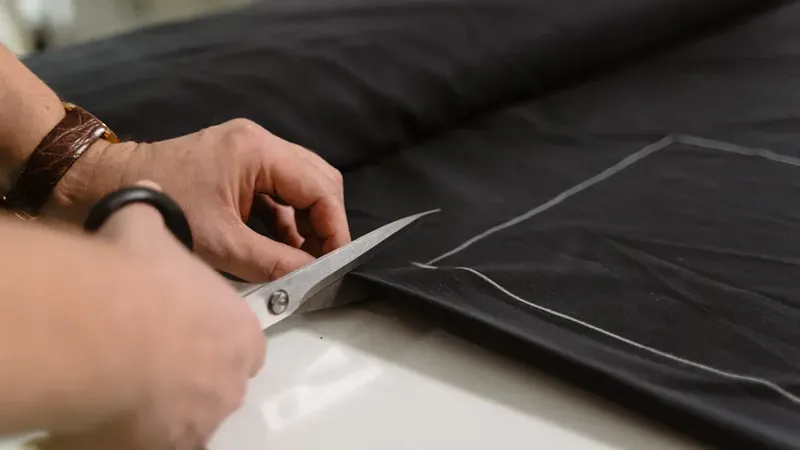
Fabric Cutting: Precision and Practice
Cutting accuracy is the foundation of fit. Teams combine automation with expert manual methods to handle delicate, high-spandex blends. Field-proven steps include pattern board inspection, appropriate fabric relaxation (24–48 hours for high-spandex), clean two-person spreading, and selective manual cutting when soft fabrics challenge auto-cutters. Careful piece sorting and bundle tying keep sizes and components organized for assembly.
Explore the shop-floor view in Factory Cutting & Assembly.
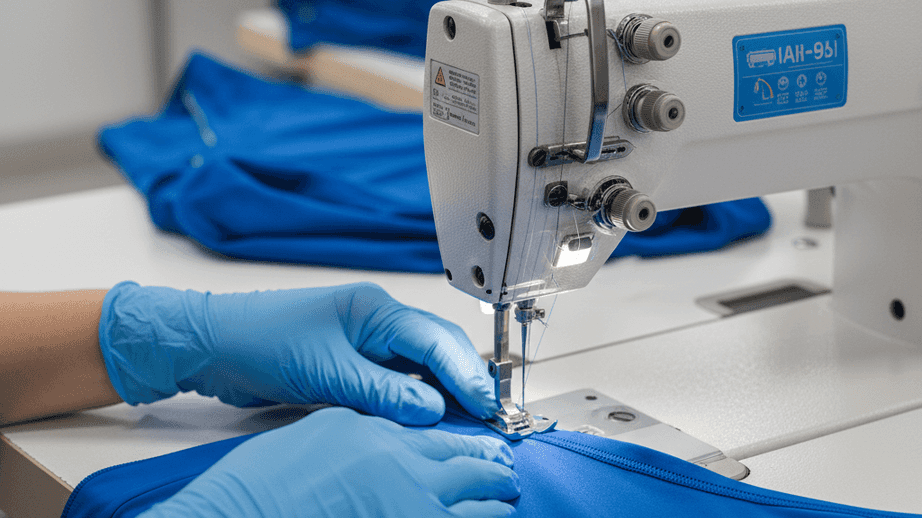 Stretchable, low-bulk seams support comfort and durability in water.
Assembly & Stitching Accuracy
Construction relies on stretch-capable seams (flat-lock, cover-stitch, double-needle) with UV- and chlorine-resistant polyester threads. Inline checks verify seam tension, elastics (often cut ~25% shorter for proper recovery), and trim tolerances (±0.3 mm). Bar code batch tracking enables fast containment and root-cause analysis.
Post-Production Assurance & Testing
Final inspection typically follows AQL 2.5, auditing appearance, sizing, make, and packing. Performance tests confirm stretch-recovery, chlorine/salt exposure, and UV protection. Packaging checks (correct labels, scan-ready bar code, protective mailers) reduce transit damage and support inventory accuracy.
Continuous Improvement & Customer Feedback
Mature factories formalize feedback loops (NPS, returns analytics) and process audits (QMS documentation, supplier traceability, training). This continuous improvement approach sustains brand-level consistency over seasons and collections.
Scaling Production Without Losing Quality
As demand grows, the production system must scale while preserving standards. Best practices include blending automated cutting/sewing with skilled craftsmanship, JIT workflows, modular lines, and demand forecasting. Vertically integrated setups, fabric consortium, and futures contracts help stabilize lead times and costs — all while keeping sustainability and compliance in scope.
See the strategy overview in Production Scaling.
Choosing the Right Custom Swimwear Manufacturer
Transparent timelines, proactive communication, and sample approval gates
Demonstrated swimwear quality control at raw-material, inline, and final stages
Documentation for material safety and environmental compliance (e.g., Oeko-Tex, REACH)
Capacity to flex from pilot runs to full seasonal volumes without quality drift
Conclusion: Build Trust Through Consistent Quality
A reliable system — from fabric testing and the swimsuit cutting process to post-production validation and smart production scaling — safeguards fit, performance, and brand reputation. With the right partner, you can expand confidently while keeping every suit on-spec and on-brand.
Related Reading
Factory Cutting & Assembly — detailed operator insights that complement the cutting section above.
Production Scaling — frameworks for growing output while protecting quality.