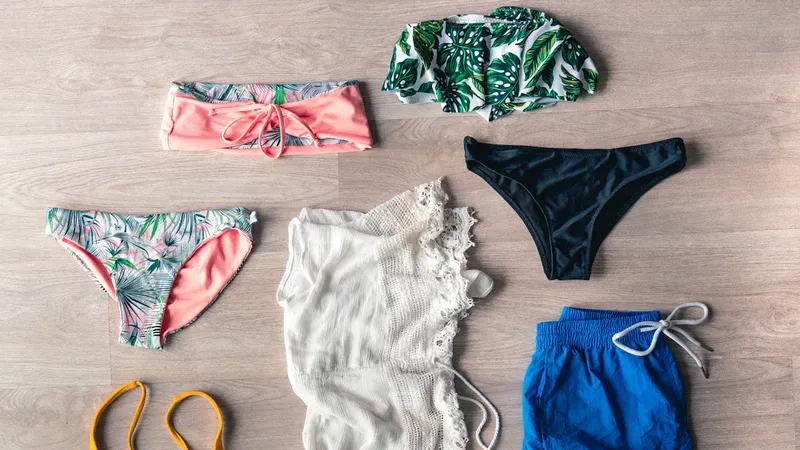
Choosing the right fabric for your swimsuit means thinking about how it feels, how long it lasts, and how it handles pool or ocean water. You want Swimwear Fabrics that stretch well, dry fast, and look good.

  • Comfort comes first—pick a fabric that feels soft on your skin.

  • Durability matters, especially if you swim often.

  • Chlorine and salt can damage some materials, so check for resistance.

  • Lining and tricot add extra support and shape. Always match your fabric to your activity for the best results.

Quick Links

Key Takeaways

  • Pick swimwear fabrics that feel good and last long. Think about what you will do in them. Nylon feels soft and stretches easily. It works well for relaxing swims and stylish suits. Polyester stands up to chlorine very well. It is great for people who swim a lot or compete. PBT is very strong and keeps its shape. Serious swimmers often choose it. Spandex or Lycra bends and supports your body. These are good for stylish suits and plus-size options. Eco-friendly fabrics like recycled polyester help the planet. They also feel nice and look good. Always wash your swimsuit after you swim. This gets rid of chlorine and salt. It helps your suit last longer. Look for UPF ratings on swimwear. This helps protect your skin from the sun when you are outside.

1. Swimwear Fabrics: Nylon

Properties

Stretch

Nylon is known for its great stretch. Most Swimwear Fabrics with nylon fit close to your body. They move with you when you swim or play. You will not feel tight or stuck. Nylon mixed with spandex can stretch in all directions. This helps your swimsuit stay in shape and fit well, even after many wears.

Tip: If you want a suit that feels like a second skin, pick nylon-spandex blends. These blends give you both stretch and support.

Comfort

You want your swimsuit to feel soft and smooth. Nylon is gentle on your skin. It stays flexible, even in cold water. This makes it good for both fun and sports swimming. Nylon is also light, so you do not feel heavy in the water.

Pros & Cons

Advantages

Here are some reasons to pick nylon for swimwear:

  • Durability: Nylon is strong and does not wear out fast.

  • Lightweight: You can move quickly and easily in water.

  • Quick-Drying: Nylon dries fast after swimming.

  • Easy Care: You can wash and dry nylon suits without trouble.

  • Versatile: Nylon works for many styles and uses.

Disadvantages

But nylon has some downsides too:

  • Heat Sensitivity: Nylon can lose shape or get ruined by high heat.

  • Not Eco-Friendly: It is not a good choice if you want to help the planet.

  • Prone to Static: Nylon can stick to your skin when dry.

Advantages

Disadvantages

Durability

Heat Sensitivity

Lightweight

Not Environmentally Friendly

Easy to Care For

Prone to Static

Quick-Drying

Versatile

Uses

Recreation

Nylon is a top choice for everyday swimsuits. You see it in bikinis, one-pieces, and trunks. It is great for trips, pool parties, and beach days. Kids’ swimsuits often use nylon because it feels soft and comfy.

Fashion

If you like cool styles, nylon is a good pick. It comes in bright colors and feels smooth. This makes it nice for trendy looks and photos. Fancy brands use nylon for luxury swimsuits because it looks and feels nice.

Nylon Blends and Performance

Nylon is often mixed with other fibers. Most Swimwear Fabrics use blends to work better. Here are some common blends:

Blend Type

Characteristics

Nylon-Spandex (85/15 or 80/20)

Stretches in all ways for a tight fit.

Nylon-Cotton/Modal

Feels soft, stretches well, and lasts long.

Performance Aspect

Benefit

Elasticity

Stretches and bounces back for a good fit.

Softness

Feels nice on your skin, good for wearing.

Moisture Management

Pulls sweat away from your skin.

Durability and Chlorine Resistance

Nylon lasts a long time, but it is not best against chlorine.

Nylon blends can last over 150 hours in chlorine. This is good for most people who swim for fun. If you swim every day, polyester or PBT blends last even longer.

Note: For more support and shape, choose nylon suits with lining or tricot. These make your swimsuit more comfy and help it last longer.

Care

Taking good care of your nylon swimsuit helps it last longer and keeps it looking great. You do not need fancy products or special tools. Just follow these simple steps every time you use your suit:

  1. Hand wash in cold water.
    Fill a sink or a bucket with cold water. Add a small amount of gentle soap. Make sure the soap does not have moisturizers or harsh chemicals. Swish your swimsuit around with your hands. This removes sunscreen, sweat, and pool chemicals.

  2. Rinse well.
    After washing, rinse your suit in cold water. You want to get rid of all the soap. Leftover soap can make the fabric weak over time.

  3. Dry flat in the shade.
    Lay your swimsuit on a towel in a shady spot. Do not hang it up or put it in the sun. Sunlight can fade the colors and make the fabric brittle. Letting it dry flat helps keep its shape.

  4. Store only when dry.
    Make sure your swimsuit is completely dry before you put it away. Damp suits can grow mildew or start to smell bad. If you are in a hurry, pat it with a towel to speed up drying.

  5. Rotate your suits.
    If you swim every day or go on vacation, bring more than one swimsuit. Switch between them. This gives the fibers time to relax and recover. Your suits will last longer this way.

  6. Avoid machines and harsh products.
    Do not wash your swimsuit in a washing machine. Skip the bleach and fabric softeners. These can damage the fibers and stretch out your suit. Stick to gentle hand washing.

Tip: If you swim in a pool with lots of chlorine, rinse your suit as soon as you can. Chlorine can break down nylon faster than saltwater.

What to Avoid

Why It Matters

Hot water

Can shrink or damage the fabric

Wringing out

Can stretch or twist the fibers

Ironing

Nylon melts under high heat

Dryers

High heat ruins elasticity

Taking these steps helps your nylon Swimwear Fabrics stay stretchy, bright, and comfortable. You will get more swims and more fun from every suit.

2. Swimwear Fabrics: Polyester

Properties

Chlorine Resistance

If you swim in pools often, you need a fabric that stands up to chlorine. Polyester does a great job here. It keeps its shape and strength, even after many swims. You will notice your suit lasts longer and does not get baggy or thin as fast as some other fabrics.

Here’s a quick look at how polyester compares to other popular swimwear materials:

Fabric type

Chemical resistance

Polyester

Good resistance to pool chemicals

Nylon

Moderate resistance to pool chemicals

PBT

Excellent resistance to pool chemicals

Polyester sits right in the middle. It beats nylon but does not match PBT for chlorine resistance. If you want a suit for daily pool use, polyester is a smart pick.

UV Protection

Sun can damage your skin and your swimsuit. Polyester helps protect both. Many polyester suits block harmful UV rays, so you get extra safety when you swim outside. This fabric also holds color well, so your suit stays bright and fresh-looking, even after hours in the sun.

Pros & Cons

Advantages

You get a lot of benefits with polyester swimwear:

  • High chlorine resistance: Great for pool swimmers.

  • Shape retention: Keeps its fit, even when wet.

  • Color retention: Stays bright after many washes.

  • Quick-drying: Feels comfortable out of the water.

  • UV protection: Shields your skin from the sun.

  • Eco-friendly options: Some polyester comes from recycled materials.

Pros

High chlorine resistance

Maintains shape longer

Color stays bright

Quick-drying

UV protection

Eco-friendly choices available

Tip: Polyester suits are a top choice for anyone who swims in pools often or wants a suit that lasts.

Disadvantages

Polyester is not perfect. Here are a few things to watch out for:

  • Can feel stiff at first, but softens with wear.

  • May cost more than basic nylon suits.

  • Some people with sensitive skin may feel itchy.

  • Needs proper care to last a long time.

Cons

Can feel stiff at first

Higher price for premium fabrics

May cause irritation for sensitive skin

Needs careful washing

Uses

Competition

Polyester is a favorite for swim teams and racers. It holds its shape and color, even after lots of practice in the pool. You get a snug fit that does not stretch out. This helps you move fast and feel confident during races.

Kids

Kids’ swimsuits need to last through lots of play and washing. Polyester works well for children because it resists fading, stretching, and chlorine. Parents like that these suits stay bright and fit well, even after a summer of swimming.

If you want Swimwear Fabrics that work for both fun and serious swimming, polyester is a solid choice.

Care

Taking care of your polyester swimsuit helps it last longer and keeps it looking fresh. You want your suit to stay bright, stretchy, and comfortable every time you wear it. Here’s how you can make that happen:

  • Machine wash in cold water.
    Toss your suit in the washing machine on a gentle cycle. Use cold water and a mild soap. This helps protect the fibers and keeps colors from fading.

  • Pre-rinse after swimming.
    Before you wash your suit, rinse it in cool tap water. This step removes chlorine, salt, and sand. You’ll notice your suit feels cleaner and smells better.

  • Turn your suit inside out.
    Flip your swimsuit before washing. This protects the outside from rubbing against other clothes and helps keep prints and colors looking sharp.

  • Choose swimwear detergent.
    Pick a detergent made for Swimwear Fabrics. Regular laundry soap can be too harsh. Special detergents clean gently and help your suit last longer.

  • Skip fabric softeners and bleach.
    These products can break down the fibers and ruin the stretch. You want your suit to keep its shape, so avoid anything that makes it feel stiff or thin.

  • Dry flat in the shade.
    After washing, roll your suit in a clean towel to remove extra water. Lay it flat on another towel in a shady spot. Sunlight can fade colors and weaken the fabric. Hanging your suit can stretch it out, so always dry it flat.

  • Rotate your suits.
    If you swim often, use more than one swimsuit. Switching between suits gives each one time to recover. You’ll get more wear out of every suit.

Tip: Polyester dries quickly, but never use a dryer. High heat can damage the fibers and shrink your suit.

Here’s a quick table to help you remember the best care steps:

Care Step

Why It Matters

Machine wash cold

Protects color and fibers

Pre-rinse after swimming

Removes chemicals and debris

Inside out washing

Keeps prints and colors sharp

Swimwear detergent

Gentle cleaning for longer life

No softeners or bleach

Maintains stretch and comfort

Dry flat in shade

Prevents fading and stretching

Rotate suits

Extends lifespan

You don’t need fancy tools or expensive products. Just follow these simple steps, and your polyester swimsuit will stay in great shape. You’ll enjoy more swims, brighter colors, and a comfortable fit every time you hit the water.

3. PBT Swimwear Fabrics

Properties

Durability

You want your swimsuit to last, especially if you swim a lot. PBT (Polybutylene Terephthalate) stands out for its toughness. This fabric can handle long hours in the pool without breaking down. PBT’s special structure helps it resist chlorine better than most other materials. You can see how it compares in this table:

Fabric Type

Chlorine Resistance

Nylon

Moderate

Polyester

Low

PBT

Excellent

If you swim every week, you’ll notice your PBT suit keeps its strength and color much longer than nylon or regular polyester.

Shape Retention

No one likes a saggy swimsuit. PBT holds its shape, even after many swims. You get a snug fit that doesn’t stretch out or get baggy. Here’s why swimmers love PBT for shape retention:

  • PBT fabrics naturally repel chlorine, so they don’t break down fast.

  • Lab tests show PBT suits keep their structure for over 300 hours in chlorine.

  • PBT/polyester blends last much longer than spandex or Lycra, which often lose shape after 50-75 hours.

You can count on PBT to keep your suit looking and feeling new, swim after swim.

Pros & Cons

Advantages

Check out what makes PBT a favorite for many swimmers:

Advantages of PBT Swimwear Fabrics

More durable than nylon and other fabrics

Incredibly breathable

Maintains color and resists fading

Cost-effective and durable

Chlorine- and heat-resistant

Great stretch and elasticity

Quick-drying and low-water absorbency

Resilient against sun, chlorine, saltwater

Breathable and moisture-resistant

UV-resistant and maintains color

Disadvantages

PBT isn’t perfect. Here’s what you should know:

Disadvantages of PBT Swimwear Fabrics

Higher price compared to other fabrics

More expensive cost

PBT suits cost more, but you get a lot of value for your money.

Uses

Training

If you train often, you need a suit that can keep up. PBT works great for fitness and competitive swimwear. It doesn’t soak up water, so you feel light and fast. Many swim teams pick PBT for practice suits because they last and stay comfortable.

Lap Swimming

Love swimming laps? PBT is your friend. These suits hold their shape and color, even after hundreds of hours in the pool. You won’t have to replace your suit as often. PBT’s quick-drying and water-repelling features make it perfect for outdoor swimming, too.

PBT is a top choice for anyone who wants Swimwear Fabrics that last, look good, and perform well in the water.

Care

Taking care of your PBT swimsuit is easy. You want your suit to last as long as possible and keep its shape. PBT fabrics are tough, but you still need to treat them right. Here’s how you can make your swimsuit look and feel new every time you wear it:

  1. Rinse after every swim.
    You should rinse your suit in cool, fresh water as soon as you finish swimming. This step removes chlorine, salt, and sunscreen. If you skip rinsing, chemicals can break down the fibers over time.

  2. Hand wash gently.
    Fill a sink with cold water. Add a small amount of mild soap. Swish your suit around with your hands. You don’t need to scrub hard. PBT doesn’t hold onto dirt, so a gentle wash works best.

  3. Skip the washing machine.
    Machines can twist and stretch your suit. You want to keep the fit tight and the fabric strong. Always wash by hand for the best results.

  4. Dry flat in the shade.
    Lay your swimsuit on a towel in a cool, shady spot. Sunlight can fade colors and weaken fibers. Hanging your suit can stretch it out, so keep it flat.

  5. Avoid heat.
    Never use a dryer or iron. High heat can ruin the elasticity and shape of PBT. Let your suit air dry naturally.

  6. Rotate your suits.
    If you swim often, use more than one swimsuit. Switching between suits gives each one time to recover. You’ll notice your suits last longer and stay comfortable.

Tip: If you swim in a heavily chlorinated pool, rinse your suit twice. The extra rinse helps remove more chemicals and keeps your PBT fabric strong.

Here’s a quick table to help you remember what to do and what to avoid:

Do

Don’t

Rinse after every swim

Use hot water

Hand wash with mild soap

Use bleach or softeners

Dry flat in shade

Hang in direct sunlight

Rotate suits

Use a dryer or iron

You don’t need fancy products or special tools. Just follow these simple steps, and your PBT swimsuit will stay stretchy, bright, and comfortable. You’ll get more swims and more fun from every suit. Taking care of your swimwear means you spend less money and enjoy your time in the water even more. 🏊‍♂️

4. Spandex/Lycra Fabrics

Properties

Flexibility

You want a swimsuit that moves with you, not against you. Spandex (also called Lycra) stands out for its amazing flexibility. You can stretch, twist, and dive, and your suit snaps right back into shape. This fabric lets you swim, play, or relax without feeling squeezed or restricted.

Check out how spandex/lycra compares to other fabrics in lab tests:

Garment Type

Test Extension

Real-World Correlation

Swimwear

60-70%

Swimming strokes, sitting

Activewear (Leggings)

70-80%

Deep squat, full range motion

Everyday Knits

40-50%

Normal movement, sitting

Bar chart comparing test extension percentages of swimwear, activewear, and everyday knits

You get a stretchy fit that hugs your body but never feels too tight. This makes spandex/lycra a favorite for all kinds of swimwear.

Support

Support matters, especially when you want to feel confident at the pool or beach. Spandex/lycra gives you gentle compression. Your swimsuit holds everything in place, so you can jump, swim, or sunbathe without worry. The fabric keeps its shape, even after many wears. You get a smooth look and a secure fit every time.

Pros & Cons

Advantages

Fashion designers love spandex/lycra for many reasons. Here’s why you might love it too:

You’ll notice your suit feels luxurious and fits like it was made just for you.

Disadvantages

No fabric is perfect. Here are a few things to keep in mind:

  • Usually costs more than polyester-spandex blends

  • Dries a bit slower than polyester

  • Can feel cooler to the touch in cold weather

  • Needs UV and chlorine protection for heavy sun or pool use

If you swim outside a lot or use hot tubs, look for suits with extra protection.

Uses

Fashion

Love bold colors, fun prints, or unique cuts? Spandex/lycra is your go-to. Designers use this fabric for trendy bikinis, sleek one-pieces, and eye-catching swim trunks. You get a suit that looks great and feels even better.

Plus-Size

If you want extra support and comfort, spandex/lycra delivers. Many plus-size swimsuits use this fabric for its stretch and shaping power. You get a flattering fit that moves with you and helps you feel confident in and out of the water.

Whether you want style, comfort, or both, spandex/lycra swimwear has you covered.

Care

Taking care of your spandex or Lycra swimsuit helps you get the most out of every swim. These fabrics feel soft and stretchy, but they need a little extra love to stay in top shape. Here’s how you can keep your suit looking and feeling great:

  • Rinse your swimsuit right after swimming.
    Chlorine, salt, and sunscreen can damage the fibers. If you rinse your suit as soon as you get out of the water, you wash away up to 90% of those harsh chemicals. This simple step keeps your swimsuit stretchy and bright for months longer.

  • Wash gently by hand.
    Fill a sink with cool water and add a small drop of mild soap. Swish your swimsuit around with your hands. Skip the scrubbing and twisting. You want to protect the elastic fibers inside the fabric.

  • Press out extra water—don’t wring or twist.
    Lay your suit flat on a clean towel. Roll it up and press gently to soak up water. Wringing or twisting can stretch out the fabric and ruin the fit.

  • Air dry flat in the shade.
    Sunlight can fade colors and weaken elastic. Always dry your swimsuit flat on a towel, away from direct sun. Hanging your suit can stretch it out, so keep it flat for the best results.

  • Store your swimsuit the right way.
    Make sure your suit is completely dry before you put it away. Lay it flat in a drawer or on a shelf. If you like to hang your suits, use a padded hanger to avoid marks or stretching.

Tip: Rotate between two or more swimsuits if you swim often. This gives each suit time to recover its shape and helps them last longer.

Here’s a quick table to show why rinsing right away matters:

Benefits of Immediate Rinsing

Effects of Delayed Rinsing

Removes up to 90% of damaging chemicals

Chemicals bond permanently with fabric fibers

Preserves elastic fibers and color

Elastic components break down, causing color fade

Extends swimwear lifespan by months

Reduces shape retention and vibrant colors

Extra Care Tips:

  • Never use bleach or fabric softener. These products break down the elastic and make your suit lose its stretch.

  • Avoid hot water and dryers. Heat can shrink or damage spandex and Lycra.

  • If you swim in a pool with lots of chlorine, rinse your suit twice for extra protection.

By following these easy steps, you help your spandex or Lycra swimwear stay soft, stretchy, and colorful. You’ll enjoy more swims, better fit, and a suit that looks new for much longer.

5. Eco-Friendly Swimwear Fabrics

5. Eco-Friendly Swimwear Fabrics

Image Source: pexels

Properties

Sustainability

You may want a swimsuit that is good for the planet. Eco-friendly choices use recycled or natural materials. Here are some you might see:

  • ECONYL® is made from old fishing nets and carpets. Factories clean these items and turn them into new nylon yarn.

  • Recycled Polyester comes from plastic bottles. The bottles are cleaned and spun into polyester thread.

  • Upcycled Materials are used by brands like JOLYN. They turn plastic water bottles into new swimwear.

These fabrics help keep trash out of landfills and oceans. When you pick them, you help make the world cleaner.

Skin Sensitivity

If your skin is sensitive, you want a soft and safe fabric. Many eco-friendly fabrics use natural fibers. Here is how they compare:

  • Hemp fights bacteria and feels gentle. It dries slowly and can break down in sun and saltwater.

  • Bamboo feels soft and pulls moisture away from your skin. It does not last as long as synthetics and gives little UV protection.

  • Recycled Materials are as strong and quick-drying as regular synthetics. They feel smooth and are safe for most skin types.

Pros & Cons

Advantages

There are many good things about eco-friendly swimwear. Look at this table:

Advantages

Disadvantages

Natural fibers like cotton and hemp are now flexible enough for swimwear.

Natural textiles need elastane for stretch, which can cause sagging.

Recycled materials like ECONYL® cut down on landfill and ocean pollution.

Recycled fabrics may shed microplastics during washing.

Proper care makes your swimwear last longer, which is better for the earth.

Handling recycled materials needs care to avoid microfiber release.

Disadvantages

You should know about a few problems. Natural fibers often need elastane to stretch. This can make suits sag when wet. Recycled fabrics can still lose tiny plastics in the wash. You need to wash these suits carefully to protect the earth.

If you’d like to learn more about sustainable swimwear materials, you can explore:
→ Introduction to the Functions of Sustainable Swimwear Fabrics

Uses

Eco Swimwear

You can find eco-friendly suits in almost any style. Many brands sell bikinis, one-pieces, and trunks made from recycled or upcycled materials. These suits look as nice as regular ones. You help the planet every time you swim.

Sensitive Skin

If your skin is sensitive, try suits made from bamboo or hemp blends. These fabrics feel soft and gentle. They pull moisture away and help stop irritation. You can swim without itchy or red skin.

Tip: Always check the label for recycled or natural fibers. This way, you know you are making a smart choice for yourself and the planet.

Care

Taking care of your eco-friendly swimsuit helps it last longer and keeps it looking great. You want to protect both your suit and the planet. Here’s how you can do that:

  • Rinse your suit right after swimming.
    Use fresh water to wash away chlorine, salt, and sunscreen. This step helps keep the fabric strong and colors bright.

  • Use cold or lukewarm water.
    Hot water can damage eco-friendly fibers. Rinse both the inside and outside of your suit.

  • Wash with similar colors.
    This keeps your suit from picking up lint or color from other clothes.

  • Choose a gentle wash.
    You can hand wash or use a washing machine on a gentle cycle. Always pick a mild, eco-friendly detergent. Skip bleach and fabric softeners. These can break down the fibers and harm the environment.

  • Turn your suit inside out before washing.
    This protects prints and keeps colors from fading.

  • Roll your suit in a clean towel to remove water.
    Don’t wring or twist your swimsuit. Press gently to get out extra water.

  • Lay flat to dry in the shade.
    Sunlight can fade colors and weaken the fabric. Never hang your suit by the straps or use a dryer. Letting it dry flat helps it keep its shape.

  • Store only when dry.
    Make sure your swimsuit is completely dry before you put it away. This stops mildew and keeps your suit smelling fresh.

Tip: Always use a special swimwear detergent if you have one. It’s gentle on both your suit and the planet.

Here’s a quick table to help you remember the best care for different eco-friendly fabrics:

Fabric Type

Care Instructions

Recycled Nylon

Hand wash in cool water with mild detergent; no fabric softeners.

Recycled Polyester

Machine wash in cold water on gentle cycle with mild soap.

Hemp and Bamboo

Hand wash with natural fiber soap; handle carefully.

High-Spandex Blends

Hand wash in cool water; do not wring or twist.

Patterned Materials

Wash inside out to protect prints and designs.

If you follow these steps, your eco-friendly swimwear will stay soft, stretchy, and bright. You’ll enjoy more swims and help the planet at the same time.

UV-Protective Swimwear Fabrics (Sun-Protective Fabrics)

Properties

UV Protection (UPF Ratings)

When you spend long hours at the beach or pool, sun protection becomes just as important as comfort and durability. UV-protective swimwear fabrics are designed to block harmful ultraviolet rays and help reduce the risk of sunburn and long-term skin damage.

Most high-quality swimwear uses UPF (Ultraviolet Protection Factor) ratings to measure sun protection:

  • UPF 15–20: Good protection

  • UPF 30–49: Very good protection

  • UPF 50+: Excellent protection (blocks over 98% of UV rays)

Tightly woven fabrics and thicker materials naturally provide higher UV resistance. Darker colors and matte finishes also block more UV rays than light or shiny fabrics.

Common UV-Protective Swimwear Fabrics

Several swimwear fabrics perform especially well in sun protection:

  • Polyester & Recycled Polyester
    Naturally offers high UV resistance and maintains protection even when wet. Ideal for outdoor swimming and long sun exposure.

  • PBT Blends
    Dense fiber structure provides excellent UV blocking while maintaining durability and shape retention.

  • Nylon with UV Treatment
    Standard nylon offers moderate UV protection, but modern swimwear often includes UV-absorbing finishes to increase UPF ratings.

  • Eco-Friendly UV Fabrics
    Recycled nylon (such as ECONYL®) and recycled polyester can achieve UPF 50+ when tightly woven and properly treated.

Pros & Cons

Advantages

  • Protects skin from harmful UVA and UVB rays

  • Reduces need for excessive sunscreen on covered areas

  • Ideal for outdoor swimming, surfing, and beach activities

  • Long-lasting protection that does not wash out easily

Disadvantages

  • Lightweight or loosely woven fabrics may offer lower protection

  • Light colors may reduce UV blocking effectiveness

  • Some UV treatments can increase fabric cost

Best Uses

Outdoor & Beach Swimwear
UV-protective fabrics are perfect for beach swims, surfing, paddleboarding, and resort wear where sun exposure is high.

Kids’ Swimwear
Children’s swimwear benefits greatly from UPF-rated fabrics, providing reliable sun protection during long play sessions.

Long-Duration Swimming & Water Sports
Ideal for swimmers, lifeguards, and athletes who stay outdoors for extended periods.

Care Tips for UV-Protective Fabrics

  • Rinse immediately after swimming to remove salt, chlorine, and sunscreen

  • Wash in cold water using mild detergent

  • Avoid fabric softeners, which can reduce UV performance

  • Dry flat in the shade to preserve UV-blocking properties

Tip

For maximum sun protection, choose UPF 50+ swimwear fabrics made from polyester or recycled polyester, combined with long-sleeve designs or rash guards.

Swimwear Lining & Tricot

Swimwear Lining & Tricot

Image Source: pexels

Choosing the right lining and tricot makes a big difference in how your swimsuit feels and lasts. You want comfort, support, and a suit that keeps its shape. Let’s break down what you need to know.

Lining Types

Swimwear lining adds softness, coverage, and helps your suit last longer. You’ll find different types, each with its own benefits.

GSM Options

GSM stands for grams per square meter. It tells you how thick and heavy the lining is. A higher GSM means a thicker, more supportive lining. Lower GSM feels lighter and dries faster. Here’s a quick look at common lining types and their features:

Lining Type

Composition

Features

Best For

Nylon-Spandex

80-90% nylon, 10-20% spandex

Soft, smooth, stretchy, quick-drying, lightweight

Fashion swimwear, bikinis, one-pieces

Polyester-Spandex

85-90% polyester, 10-15% spandex

High chlorine resistance, durable, quick-drying

Competitive swimwear, sports suits

Mesh

Lightweight polyester/nylon mesh

Breathable, lightweight, supportive without bulk

Men’s swim trunks, athletic swimwear

Tip: If you want a suit for racing or lots of pool time, go for polyester-spandex lining. For a soft feel, nylon-spandex is a great pick.

Performance

The right lining boosts performance in several ways:

  • Stops your suit from becoming see-through when wet.

  • Adds gentle support and helps the suit keep its shape.

  • Feels smooth against your skin, so you avoid chafing.

  • Dries quickly, so you stay comfortable after swimming.

Tricot Fabrics

Tricot is a special knit fabric used in many swimsuits. You’ll notice it feels smooth and stretches in all directions.

Functionality

Tricot fabrics help your swimsuit work better in the water. Here’s why swimmers love tricot:

Property

Description

Softness

Feels comfortable against your skin

Stretchability

Lets you move freely in the water

Moisture-wicking

Pulls moisture away, so you stay dry

Lightweight

Reduces drag, so you swim faster

Fast-drying

Keeps you comfy after you get out of the pool

You get a suit that moves with you and dries fast. This means more fun and less fuss.

Aesthetic

Tricot also makes your swimsuit look and feel better:

  • Smooth texture gives a sleek, polished look.

  • Durable knit keeps your suit looking new, even after many swims.

  • Colors stay bright and patterns stay sharp.

Note: Many high-quality Swimwear Fabrics use tricot for both the outer layer and the lining. This combo gives you comfort, support, and long-lasting style.

When you pick a swimsuit, check the lining and tricot details. You’ll feel the difference every time you swim.

Fabric Purpose

Choosing the right fabric for your swimsuit depends on how you plan to use it. Each activity needs something a little different. Let’s look at the best options for recreation, competition, and fashion.

Recreation

You want to relax at the pool, splash at the beach, or play in the waves. For these fun days, comfort and durability matter most. Nylon-spandex blends and polyester are top picks for recreational swimwear. These fabrics stretch with your body, so you can move easily. They also resist sand and saltwater, which means your suit stays looking good after many swims.

Why choose these fabrics for recreation?

  • They feel soft and smooth on your skin.

  • They dry quickly, so you don’t stay wet for long.

  • They hold their shape, even after lots of play.

  • They stand up to sun, sand, and salt.

Tip: If you want a suit for vacations or pool parties, look for nylon-spandex blends. You’ll get a comfy fit and bright colors that last.

Competition

If you swim on a team or race in the pool, you need a suit that helps you move fast. PBT and polyester-spandex blends are the best choices for competition. These fabrics cut down on water drag and give you muscle support. They also resist chlorine, so your suit lasts through many practices.

What makes these fabrics great for competition?

  • They fit snugly and don’t get baggy.

  • They help you glide through the water.

  • They keep their color, even in strong pool chemicals.

  • They dry fast, so you’re ready for the next race.

Here’s a quick table to help you match your activity to the best fabric:

Activity Type

Recommended Fabrics

Key Features

Recreation

Nylon-spandex, Polyester

Stretchy, comfy, resists sand and saltwater

Competition

PBT, Polyester-spandex blends

Reduces drag, supports muscles, resists chlorine

Fashion

Do you love bold prints, trendy cuts, or unique designs? Fashion swimwear lets you show off your style. Designers often use nylon-spandex or Lycra blends for these suits. These fabrics give you a smooth, body-hugging fit and let you try fun shapes and colors.

Why pick these fabrics for fashion?

  • They create a sleek look that flatters your body.

  • They hold bright colors and cool patterns.

  • They stretch in every direction for comfort.

  • They work well for both poolside lounging and photos.

Note: Fashion suits may not last as long in heavy chlorine or rough play, but they look amazing for special occasions.

No matter what you love to do in the water, you can find Swimwear Fabrics that fit your needs. Pick the right one, and you’ll feel great every time you swim.

Kids

Picking the right swimwear fabric for kids can feel tricky. You want your child to feel happy, safe, and free to play. Kids run, jump, and splash all day. Their swimsuits need to keep up! Here’s how you can choose the best fabric for your little swimmer:

  • Softness matters: Kids have sensitive skin. Look for fabrics that feel smooth and gentle. Nylon-spandex blends work well because they stretch and feel soft. Polyester is also a good pick. It does not itch or rub.

  • Durability is key: Children play hard. You need a suit that can handle slides, sand, and sun. Polyester and PBT blends last longer than plain nylon. These fabrics resist fading and stretching out. Your child’s suit will look good all summer.

  • Quick-drying: No one likes a soggy swimsuit. Quick-drying fabrics help your child stay comfortable. Nylon and polyester dry fast. Your child can jump from the pool to the playground without feeling cold or wet.

  • Chlorine and salt resistance: Pools and oceans can damage some fabrics. Polyester and PBT stand up to chlorine and saltwater. These suits keep their color and shape, even after many swims.

  • Fun prints and colors: Kids love bright colors and cool designs. Nylon-spandex and polyester fabrics hold prints well. You can find suits with dinosaurs, unicorns, or favorite cartoon characters.

Here’s a quick table to help you compare the best fabrics for kids’ swimwear:

Fabric Type

Best For

Why Kids Love It

Nylon-Spandex

Everyday play, beach

Soft, stretchy, comfy

Polyester

Pool swimming, lessons

Durable, resists fading

PBT Blends

Swim team, frequent use

Holds shape, lasts longest

Tip: Always check the label for “UPF” (Ultraviolet Protection Factor). This means the fabric helps block the sun’s rays and keeps your child safer outdoors.

What to avoid:

  • Rough or scratchy fabrics

  • Suits without lining (they can become see-through)

  • Fabrics that stretch out quickly

Extra advice:
Let your child try on the swimsuit and move around. Ask them if it feels good. If they can jump, bend, and play without pulling or pinching, you’ve found a winner!

Choosing the right fabric means more fun and fewer worries. Your child will feel great, and you’ll know their suit can handle every adventure. 🏖️

Considerations

Comfort

You want your swimsuit to feel good every time you wear it. Comfort should always come first. Soft fabrics help prevent itching and rubbing. If you have sensitive skin, look for pure nylon blends. These feel gentle and have fewer additives that might cause irritation. Try to pick a suit with a smooth lining. This adds a soft layer between your skin and the outer fabric.

Think about where you’ll swim. If you plan to spend hours in the sun, choose light-colored, breathable materials. These help release heat and keep you cool. For cold water, look for insulating fabrics. These trap warmth but still feel light. Always check the label for words like “soft,” “breathable,” or “gentle.” These clues help you find the most comfortable option.

Tip: Try on your swimsuit and move around. If it feels good when you stretch, bend, and sit, you’ve found a winner.

Durability

You want your swimsuit to last through many swims. Durability means the fabric can handle sun, salt, chlorine, and lots of movement. If you swim in pools often, pick chlorine-resistant fabrics like PBT or treated polyester. These stand up to harsh pool chemicals and keep their shape longer.

Ocean swimmers need tightly woven fabrics. These block sand and resist saltwater damage. For kids or anyone who plays hard, look for strong seams and double linings. These features help the suit last longer.

Here’s a quick table to help you match your needs with the right fabric:

User Need

Recommended Fabric Types

Key Features

Sensitive Skin

Pure nylon blends

Soft, non-irritating

Hot Weather Swimmers

Breathable, light-colored fabrics

High UV protection, heat release

Cold Water Activities

Insulating materials

Traps warmth, lightweight

Frequent Pool Use

Chlorine-resistant PBT/polyester

Durable against chlorine

Ocean Swimmers

Tightly woven fabrics

Blocks sand, resists salt corrosion

Note: Always rinse your suit after swimming. This simple step helps your swimsuit last longer.

Stretch

Stretch matters for both comfort and fit. You want your swimsuit to move with you, not against you. Fabrics with spandex or Lycra give the best stretch. These let you swim, dive, and play without feeling tight or restricted.

A good stretch means your suit hugs your body but doesn’t squeeze. It also snaps back into shape after each wear. If you want a suit for sports or lots of movement, look for a high percentage of spandex. For lounging or fashion, a little stretch is enough.

  • Test the stretch by gently pulling the fabric. It should return to its shape.

  • Avoid suits that feel stiff or baggy. These won’t move well with your body.

Remember: The right amount of stretch keeps your swimsuit comfy and looking great, swim after swim.

Chlorine/Salt Resistance

You want your swimsuit to last, even if you swim in pools or the ocean. Chlorine and salt can damage fabrics fast. Some materials handle these chemicals better than others. Here’s what you need to know:

  • Polyester stands up to chlorine. You can wear it in pools every day. It keeps its color and shape.

  • PBT is even stronger. Swim teams love it because it lasts the longest in chlorine.

  • Nylon works well for beach days. It feels soft but does not like chlorine. It can fade or stretch out in pools.

  • Spandex/Lycra gives you stretch, but it breaks down in chlorine. You will see sagging if you swim in pools a lot.

Tip: If you swim in pools often, pick polyester or PBT. For ocean swims, nylon works well.

Here’s a quick table to help you compare:

Fabric Type

Chlorine Resistance

Saltwater Resistance

Polyester

High

High

PBT

Very High

High

Nylon

Medium

High

Spandex/Lycra

Low

Medium

UV Protection

The sun can hurt your skin and your swimsuit. Some fabrics protect you better than others. You want a suit that blocks UV rays and keeps you safe.

  • Polyester gives you good UV protection. Many suits have a UPF rating. This means they block most harmful rays.

  • Nylon also protects your skin, but not as much as polyester. Look for suits with a UPF label.

  • Dark colors and tight weaves block more sun. Light colors and thin fabrics let more rays through.

  • Special coatings can add extra protection. Some brands use these for outdoor swimwear.

Note: Always check for a UPF rating on the tag. This tells you how much sun the fabric blocks.

Here’s a simple guide:

Fabric/Feature

UV Protection Level

Polyester (UPF)

High

Nylon (UPF)

Medium

Dark Colors

Higher

Light Colors

Lower

Special Coatings

Highest

Drying Time

No one likes a wet swimsuit. Fast-drying fabrics keep you comfortable and ready for your next swim. Here’s what to look for:

  • Polyester dries quickly. You can wear it again soon after swimming.

  • Nylon also dries fast. It feels light and smooth when wet.

  • PBT dries the fastest. It does not hold much water.

  • Spandex/Lycra takes longer to dry. It holds more water because of the stretch.

Tip: Lay your suit flat in the shade to help it dry faster. Avoid hanging it by the straps.

Here’s a quick drying time chart:

Fabric Type

Drying Speed

PBT

Fastest

Polyester

Fast

Nylon

Fast

Spandex/Lycra

Moderate

Pick a fabric that dries fast if you want to stay comfy and avoid soggy swimsuits. You will enjoy your time in the water even more!

Care

Taking care of your swimsuit is just as important as picking the right fabric. If you want your swimwear to last, you need to treat it well. Here are some easy steps you can follow to keep your swimsuit looking and feeling great:

  1. Rinse Right Away
    After you swim, rinse your suit in cool, fresh water. This step removes chlorine, salt, and sunscreen. If you skip this, chemicals can break down the fabric and fade the colors.

  2. Hand Wash Gently
    Use your hands and a small amount of mild soap. Swish your swimsuit in cold water. Avoid scrubbing or twisting. Machines can stretch or damage the fibers.

  3. Skip the Bleach and Fabric Softener
    Bleach and softeners can ruin the stretch and color of your suit. Stick to gentle soap. If you want your swimsuit to stay bright and stretchy, avoid harsh cleaners.

  4. Dry Flat in the Shade
    Lay your swimsuit flat on a towel. Keep it out of direct sunlight. Sun can fade colors and make the fabric weak. Hanging your suit by the straps can stretch it out, so always dry it flat.

  5. Rotate Your Swimsuits
    If you swim often, use more than one suit. Give each one time to rest. This helps the fabric recover and last longer.

  6. Store Only When Dry
    Make sure your swimsuit is completely dry before you put it away. Damp suits can grow mildew and start to smell. If you need to pack up quickly, pat your suit dry with a towel first.

Tip: Always check the care label on your swimsuit. Some fabrics need special care. Following the label helps you avoid mistakes.

Here’s a quick table to help you remember the best care steps for different swimwear fabrics:

Fabric Type

Best Care Tip

What to Avoid

Nylon-Spandex

Hand wash, dry flat

Hot water, wringing

Polyester

Machine wash gentle, dry flat

Bleach, high heat

PBT

Rinse after swim, hand wash

Dryer, direct sunlight

Spandex/Lycra

Rinse quickly, avoid twisting

Fabric softener, ironing

Eco-Friendly

Use mild, eco detergent, air dry

Harsh chemicals, dryers

Why does care matter?

  • Your swimsuit keeps its shape and color longer.

  • You save money by not replacing suits often.

  • You feel more comfortable every time you swim.

If you follow these simple steps, your swimwear will stay soft, stretchy, and bright. You’ll enjoy more swims and always look your best at the pool or beach! 🏊‍♀️👙

Comparison Table

Picking the right swimwear fabric can be hard. You want a suit that fits well and lasts long. This section helps you see the main differences fast. You can choose the best fabric for your next swimsuit and feel sure about it.

Fabric Overview

Here is a quick look at the most common swimwear fabrics. Each fabric has good and bad points. The table below shows what each fabric is best at.

Fabric Type

Pros

Cons

Best For

Nylon

Soft, stretchy, lightweight

Fades, weak against chlorine

Fashion swimwear, casual wear

Polyester

Chlorine-resistant, durable

Less stretchy

Competitive swimming

Spandex/Lycra

High elasticity, great fit

Loses elasticity over time

Flexible swimwear, fashion

PBT

Chlorine-resistant, quick-drying

Less soft

Athletic swimwear

Recycled Polyester

Eco-friendly, durable

Can feel stiff

Sustainable swimwear

Tip: If you want a suit for racing, pick PBT or polyester. For style and comfort, nylon or spandex/lycra are good. Eco-friendly fabrics help the planet while you swim.

Properties Summary

Let’s see how each fabric works in water and sun. This table shows the main things you should know.

Fabric Type

UV Protection

Chemical Resistance

Antimicrobial Properties

Water Resistance

Nylon

Moderate

Good

Poor

Excellent

Polyester

Excellent

Good

Poor (often treated)

Excellent

PBT

Excellent

Excellent

Poor

Excellent

Spandex/Lycra

Moderate

Low

Poor

Good

Eco-Friendly

Varies

Varies

Varies

Good to Excellent

  • Nylon feels soft and stretches well. It is light, but can fade in chlorine.

  • Polyester is strong against chlorine and sun. It is a good pick for pool swims.

  • PBT keeps its shape and dries quickly. You see it in team and sports swimwear.

  • Spandex/Lycra gives a tight fit and lots of stretch. It feels comfy, but may lose shape after a while.

  • Eco-friendly fabrics use recycled stuff. Many brands now make these, so you can swim and help the earth.

You do not have to give up performance for eco-friendly choices. Many eco-friendly suits last as long as regular ones.

Quick List: What to Look For

  • Want a tough suit? Pick polyester or PBT.

  • Need more stretch? Choose spandex/lycra or nylon blends.

  • Like eco-friendly? Try recycled polyester or ECONYL®.

  • Want UV protection? Go with polyester or PBT.

These tables help you compare fabrics and pick the right swimsuit for you. Whether you swim for fun, race, or care about the planet, there is a fabric that fits your needs!

You have many choices when picking swimwear fabric. Here’s what matters most:

  • Chlorine resistance keeps your suit bright and stretchy.

  • Quick-dry fabrics help you stay comfy after swimming.

  • UV protection shields your skin outdoors.

  • Stretch and recovery let you move with ease.

  • Eco-friendly options support the planet.

Check the comparison table before you buy. Take care of your suit, and you’ll enjoy every swim. You’ve got this—dive in with confidence!

FAQ

What is the best fabric for everyday swimwear?

You can’t go wrong with nylon-spandex blends. They feel soft, stretch well, and dry fast. These fabrics work great for pool days, beach trips, and water parks.

How do I stop my swimsuit from fading?

Rinse your suit in cool water right after swimming. Dry it flat in the shade. Avoid hot water and direct sunlight. These steps help keep colors bright.

Can I put my swimsuit in the washing machine?

Hand washing is best. If you must use a machine, pick a gentle cycle and cold water. Always use a mesh bag. Skip bleach and fabric softeners.

Which fabric lasts longest in chlorine?

PBT and polyester last the longest in chlorine. These fabrics keep their shape and color, even if you swim every day.

What does UPF mean on swimwear?

UPF stands for Ultraviolet Protection Factor. It shows how well the fabric blocks the sun’s rays. A higher UPF means better sun protection for your skin.

Are eco-friendly swimwear fabrics comfortable?

Yes! Many eco-friendly fabrics feel soft and stretchy. Brands use recycled nylon or polyester. You get comfort and help the planet at the same time.

How can I tell if my swimsuit has enough stretch?

Gently pull the fabric. It should stretch and snap back. If it feels stiff or stays loose, it may not fit well in the water.

Do kids need special swimwear fabric?

Kids need soft, stretchy, and quick-drying fabrics. Nylon-spandex and polyester blends work best. These fabrics let kids play, swim, and move without discomfort.

EmailWhatsApp