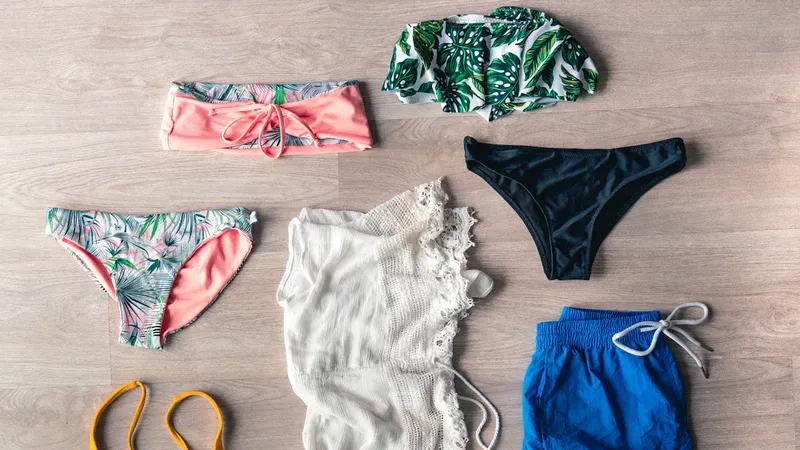
Choosing the right swimwear fabric is a critical decision in developing a collection that excels in comfort, performance, and style. Whether your target customer is a competitive athlete, a casual beachgoer, or a fashion-forward trendsetter, the material's properties will directly impact the garment's durability, fit, and overall experience. This guide provides an in-depth look at the 12 most popular fabrics used by custom swimwear manufacturers, analyzing their characteristics and pinpointing the ideal swimwear types and applications for each to help you make more informed decisions in product development.
Core Metrics for Evaluating Swimwear Fabric
Before diving into specific materials, it's essential to clarify the key metrics for evaluating swimwear fabric. Durability refers to the fabric's ability to withstand chlorine, saltwater, sun exposure, and frequent use. Stretch & Recovery dictates the fit and shape retention. Comfort covers the softness, breathability, and feel against the skin. Quick-Drying properties affect post-swim comfort and hygiene. Finally, UV Protection, measured by the UPF (Ultraviolet Protection Factor) rating, is crucial for outdoor use.
An In-Depth Analysis of 12 Popular Swimwear Fabrics
1. Nylon-Spandex Blend
The nylon-spandex blend, typically in an 80/20 ratio, is one of the most prevalent fabrics in the swimwear industry. It is celebrated for its exceptionally soft hand-feel, superior elasticity, and comfortable fit, making it a mainstay for women's fashion swimwear.
Best for: This blend is best suited for fashion bikinis, one-piece swimsuits, and casual beachwear.
Use Case: It is ideal for leisure activities such as beach vacations, pool parties, and sunbathing. Its comfortable stretch beautifully conforms to the body's curves. However, it should be noted that its relatively lower chlorine resistance makes it less suitable for high-intensity, daily professional training.
Property | Performance |
Comfort | Very High |
Elasticity | Very High |
Durability | Medium |
Chlorine Resistance | Low |
Quick-Drying | Good |
2. Polyester-Spandex Blend
A polyester-spandex blend is the go-to choice for performance and competitive swimwear. It is renowned for its outstanding durability, excellent chlorine resistance, and superior shape retention. While it may feel slightly less soft than nylon blends, its extended lifespan makes it the perfect choice for high-intensity use.
Best for: This fabric is perfect for competitive swimsuits, training suits, and children's swimwear.
Use Case: It is perfectly suited for daily pool training, swim competitions, and various water sports. Its robust chlorine resistance ensures the suit maintains its shape and color after frequent exposure to chlorinated water, making it a reliable option for athletes and avid swimmers. When used for children's swimwear, it also withstands daily play and frequent washing.
Property | Performance |
Comfort | Medium |
Elasticity | High |
Durability | Very High |
Chlorine Resistance | Very High |
Quick-Drying | Excellent |
3. Nylon
As a classic swimwear fabric, nylon is lightweight, soft, and quick-drying. It's known for its smooth hand-feel and is typically blended with a small amount of spandex to enhance its natural stretch. Its smooth surface and ability to hold vibrant colors make it a popular choice in fashion design.
Best for: Nylon is excellent for a wide range of fashion swimwear and athletic-style suits.
Use Case: It is versatile enough for everything from casual beachwear to light athletic swimwear. For fashion brands that prioritize vibrant colors and print definition, nylon is an excellent base fabric.
Property | Performance |
Comfort | High |
Elasticity | Medium (when blended) |
Durability | Good |
Chlorine Resistance | Medium |
Quick-Drying | Good |
4. Polyester
Polyester is a workhorse fabric, celebrated for its exceptional durability and resistance to the elements. It effectively withstands damage from chlorine and UV rays, ensuring colors stay bright and the fit remains consistent over time, making it one of the longest-lasting swimwear fabrics available.
Best for: This material is ideal for professional training swimwear, high-frequency use garments, and team swimsuits.
Use Case: It is best for situations where maximizing the garment's lifespan is the top priority, such as for swim teams, clubs, and individuals who engage in daily water fitness routines. For institutional clients who need to purchase in bulk and seek cost-effectiveness, polyester is a highly competitive choice.
Property | Performance |
Comfort | Medium |
Elasticity | Medium |
Durability | Excellent |
Chlorine Resistance | Excellent |
Quick-Drying | Excellent |
5. PBT (Polybutylene Terephthalate)
PBT is a high-performance specialty polyester fiber with comprehensive properties that surpass standard polyester. It offers natural stretch and excellent shape recovery, combined with top-tier chlorine resistance, making it the ultimate fabric choice for elite athletes.
Best for: PBT is the top choice for elite competitive swimwear and professional athlete training suits.
Use Case: It is engineered specifically for high-frequency, high-intensity training in chlorinated pools. Its unique molecular structure actively repels chlorine molecules, allowing the fabric to endure hundreds of hours of pool use without performance degradation, making it a recognized top-tier material in the competitive swimwear field.
Property | Performance |
Comfort | Medium |
Elasticity | Good (Natural stretch, no high spandex content needed) |
Durability | Excellent |
Chlorine Resistance | Excellent |
Quick-Drying | Excellent |
6. Microfiber Polyester
Crafted from extremely fine polyester fibers, microfiber polyester offers a silky, soft, and lightweight touch. It is not only gentle on the skin but also boasts excellent quick-drying properties, providing a luxurious wearing experience perfect for luxury resort wear.
Best for: This fabric is perfect for high-end fashion swimwear, resort wear collections, and premium children's swimwear.
Use Case: It is suited for consumers seeking supreme comfort and an elegant appearance, often featured in collections for luxury resorts, yacht parties, and high-end spas. Its fine texture also makes it a quality choice for brands looking to create a premium product line.
Property | Performance |
Comfort | Very High |
Elasticity | Good |
Durability | Good |
Chlorine Resistance | High |
Quick-Drying | Excellent |
7. Spandex (Lycra / Elastane)
Spandex is not typically used as a main fabric but is the crucial ingredient that gives swimwear its elasticity. Nearly all swimwear contains 10% to 25% spandex to ensure a close fit that moves with the body.
Application Note: As a blend component, spandex is combined with primary fibers like nylon or polyester to determine the final elasticity and fit. Recreational swimwear often has a slightly higher spandex content (around 20-25%) for comfort, while competitive suits control the content at 15-20% to provide muscle compression while ensuring durability.
8. Tricot
Tricot is a warp-knit fabric, often made from a nylon-spandex or polyester-spandex blend. Its unique knit structure is stable, run-resistant, and offers a great combination of durability and comfortable elasticity, often with a subtle sheen.
Best for: Tricot is well-suited for activewear-style swimwear, suits requiring extra support, and high-end fashion swimwear.
Use Case: Its stable yet flexible nature makes it a great choice for dynamic activities like water sports or beach volleyball. At the same time, its smooth, fine texture and elegant luster make it ideal for creating high-end fashion swimwear collections, pairing perfectly with foil printing and other embellishments.
Property | Performance |
Comfort | High |
Elasticity | High |
Durability | High |
Chlorine Resistance | Medium to High (depending on fiber) |
Quick-Drying | Good |
9. Neoprene
Neoprene, a type of synthetic rubber foam, provides excellent thermal insulation by trapping a thin layer of water against the skin, which is then warmed by body heat to maintain warmth in cold water. This makes it the core material for wetsuits used in open water swimming.
Best for: Neoprene is the core material for wetsuits, surf suits, triathlon suits, and thermal swimwear.
Use Case: It is designed specifically for cold-water environments and outdoor water sports, including open-water swimming, surfing, diving, kayaking, and windsurfing. In addition to warmth, neoprene provides extra buoyancy and physical protection, making it a key material for water sports gear.
Property | Performance |
Insulation | Very High |
Buoyancy | High |
Elasticity | Medium |
Durability | Very High |
Quick-Drying | Slow |
10. Mesh
Mesh fabric is typically used as a liner in swimwear or as an exterior design panel. Its evenly distributed pores give it excellent breathability and drainage, effectively enhancing the overall comfort and functionality of a swimsuit.
Best for: Mesh is ideal as a liner for men's trunks and board shorts, ventilation panels on athletic swimsuits, and decorative see-through details on fashion suits.
Use Case: As a liner, mesh provides structural support and prevents the outer fabric from clinging to the skin, significantly improving comfort. As an exterior panel, it can enhance the breathability of athletic swimwear for better thermal regulation or create a sexy, transparent visual effect for fashion swimwear, making it a versatile tool for both function and aesthetics.
Property | Performance |
Breathability | Very High |
Quick-Drying | Excellent |
Elasticity | Low to Medium |
Support | Good (as a liner) |
11. Velvet
Once unheard of for swimwear, velvet has emerged as a high-fashion trend. Modern swim-safe velvet is typically a water-resistant polyester-spandex blend that retains its signature plush texture and lustrous sheen while offering practical resistance to chlorine, salt, and quick-drying properties.
Best for: Velvet is perfect for trend-setting bikinis and one-pieces, as well as luxury beach and resort wear.
Use Case: It is the perfect choice for pool parties, music festivals, beach clubs, and any fashion-forward social occasion. Velvet swimwear is more of a fashion statement than functional sportswear, making it better suited for light water activities or purely for styling.
Property | Performance |
Fashion Appeal | Very High |
Comfort | High (when dry) |
Elasticity | Good |
Durability | Medium |
Note | Prone to trapping sand; requires careful handling. |
12. Cotton Blends
Cotton blends are soft, breathable, and feel natural against the skin, making them a favorite for those with sensitive skin. However, cotton is highly absorbent, becoming heavy, slow-to-dry, and prone to sagging when wet, which makes it unsuitable for functional swimwear.
Best for: Cotton blends are limited to beach cover-ups, beach shorts, and poolside loungewear.
Use Case: Their use is strictly for waterside lounging and out-of-water activities. For consumers looking for a comfortable garment to wear while relaxing on the sand or sitting by the pool, a cotton blend is a cozy choice. However, it must be noted that cotton is not suitable for prolonged swimming, and in most public pools, pure cotton swimwear is prohibited as it can clog filtration systems.
Property | Performance |
Comfort | Very High (when dry) |
Absorbency | Very High (disadvantage) |
Quick-Drying | Very Slow |
Shape Retention | Poor (when wet) |
Fabric Selection Quick Reference Guide
For quick decision-making, the following table summarizes the core applications for all 12 fabrics:
Fabric | Best For | Core Use Case |
Nylon-Spandex Blend | Fashion Bikinis, One-Pieces | Beach Vacations, Pool Lounging |
Polyester-Spandex Blend | Competitive & Training Suits | Daily Training, Swim Meets |
Nylon | Fashion & Athletic-style Suits | Casual Beach Days, Light Sports |
Polyester | Training Suits, Team Uniforms | High-Frequency Pool Use |
PBT | Elite Competitive Suits | Professional Athlete Training |
Microfiber Polyester | High-End Fashion, Resort Wear | Luxury Resorts, Upscale Lounging |
Spandex | Blend Component (not main) | Adds stretch to all swimwear |
Tricot | Active & High-End Fashion Suits | Water Sports, Fashion Statements |
Neoprene | Wetsuits, Surf Suits, Tri-Suits | Cold Water Sports, Open Water |
Mesh | Liners, Athletic Panels | Breathability, Fashion Details |
Velvet | Trend-Setting Bikinis | Pool Parties, Social Events |
Cotton Blends | Cover-ups, Beach Shorts | Waterside Lounging (non-swim) |
Conclusion
Selecting the right fabric is fundamental to your swimwear line's success. For the broad consumer market focused on comfort and style, a Nylon-Spandex blend is an excellent all-around choice. For the performance-driven athletic market, Polyester-Spandex blends and PBT are unmatched in durability and chlorine resistance. Finally, specialty fabrics like Neoprene and Velvet offer exciting opportunities to capture niche markets and meet specific customer desires.
By deeply understanding each fabric's unique properties and matching them with the needs and activities of your target audience, you can create swimwear that is not only beautiful but also exceptionally functional and highly marketable.