
Swimwear is more than just a fashion statement; it's functional apparel. The choice of lining is crucial for the wearing experience, lifespan, and overall appearance of the garment. This article delves into the secrets of swimwear lining, answering the core questions: "What is swimwear lining?" and "How to choose the most suitable swimwear lining material for different needs," helping you better understand and select swimwear linings.
What is Swimwear Lining?
Swimwear lining, as the name suggests, is a layer of fabric inside a swimsuit construction. It's not just "extra fabric" but an integral part of the swimwear, designed to enhance its performance and the wearer's comfort. A quality swimwear lining can significantly improve the garment's opacity and smoothness, and provide additional stability or support depending on its construction .
The Role and Benefits of Swimwear Lining
Swimwear lining adds value to swimwear in several ways:
1. Comfort and Coverage
One of the primary functions of swimwear lining is to provide a comfortable feel against the skin. It forms a soft barrier between the skin and the main swimwear fabric, effectively preventing chafing and irritation . More importantly, the lining ensures that the swimwear does not become transparent when wet, providing the wearer with ample coverage and a sense of security . This is crucial for swimwear for all ages, allowing you to move freely in the water without worry.
2. Support and Shaping
The lining helps the swimsuit maintain its structure and shape, preventing the fabric from stretching out or sagging over time . Certain types of linings, such as power mesh, can also provide extra support and shaping in specific areas like the bust or hips, creating a more flattering silhouette .
3. Durability and Longevity
Chlorine in pools, salt in seawater, and UV rays from the sun can all damage swimwear fabric. The lining acts as an extra protective layer, enhancing the durability of the swimsuit by resisting wear and tear, fading, and deformation . Choosing a lining with good chlorine and salt resistance can significantly extend the life of your swimwear, keeping it in good condition after many wears and washes.
Key Properties of Swimwear Lining
Selecting the right swimwear lining requires considering several key properties to ensure it perfectly matches the main fabric and intended use.
1. Stretch and Recovery
The stretch and recovery of a swimwear lining are vital. A four-way stretch fabric allows the swimsuit to move with your body, offering an unrestricted range of motion. High recovery means the fabric snaps back to its original shape after being stretched, preventing the swimsuit from becoming misshapen or baggy and thus maintaining a good fit .
2. Quick-Drying and Breathability
No one wants to feel damp for a long time after getting out of the water. Most swimwear linings use synthetic fibers like polyester, which have excellent quick-drying properties and good breathability, allowing moisture to evaporate quickly and keeping you dry and comfortable . Some modern fabrics also feature moisture-wicking treatments to further enhance the experience.
3. Chlorine and Salt Resistance
Chlorine and salt are the enemies of swimwear fabric. A quality swimwear lining should have good resistance to chlorine and salt to prevent loss of strength, color fading, and loss of elasticity . Polyester generally has better chlorine resistance than nylon .
4. Softness and Skin Feel
Since the lining is in direct contact with the skin, its softness and feel directly impact comfort. Lightweight knits and mesh fabrics usually feel gentle and remain comfortable even after hours of wear, reducing skin irritation .
Comparison of Swimwear Lining Materials
There are various swimwear lining fabrics available, each with its unique pros and cons. Understanding these differences will help you make an informed decision.
1. Nylon-Spandex Tricot
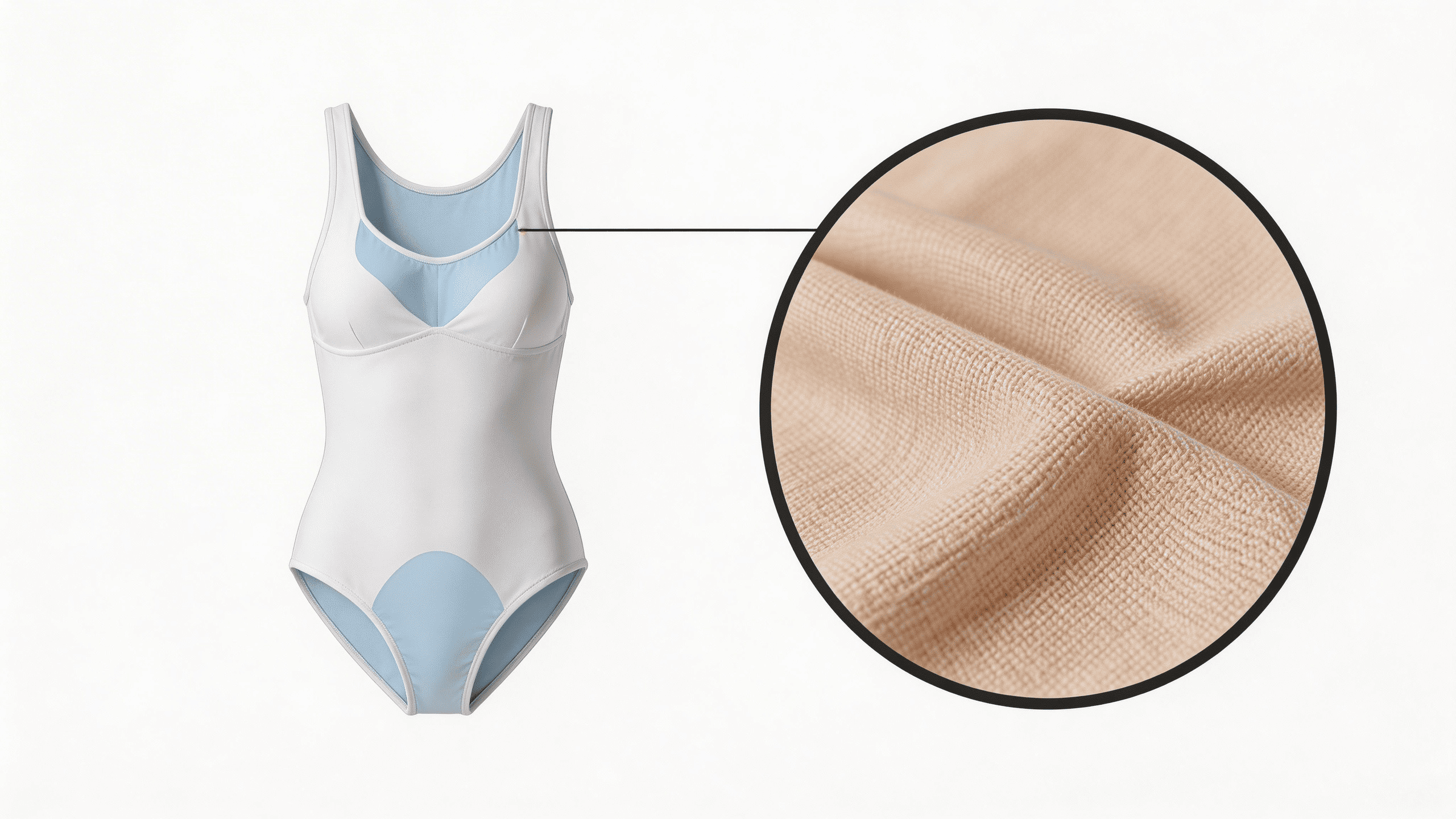 Nylon-spandex tricot is one of the most common choices for swimwear lining. It is typically a blend of 80-90% nylon and 10-20% spandex (or Lycra), offering excellent four-way stretch and a soft, smooth feel . This fabric is quick-drying, durable, and holds its shape well. However, compared to polyester, nylon can be more susceptible to damage and fading in heavily chlorinated water .
Pros:
•Excellent stretch and recovery
•Soft, smooth, and comfortable against the skin
•Quick-drying and durable
•Provides good support and shaping
Cons:
•Can be damaged or fade with long-term chlorine exposure
•Relatively weaker UV protection
2. Polyester Interlock
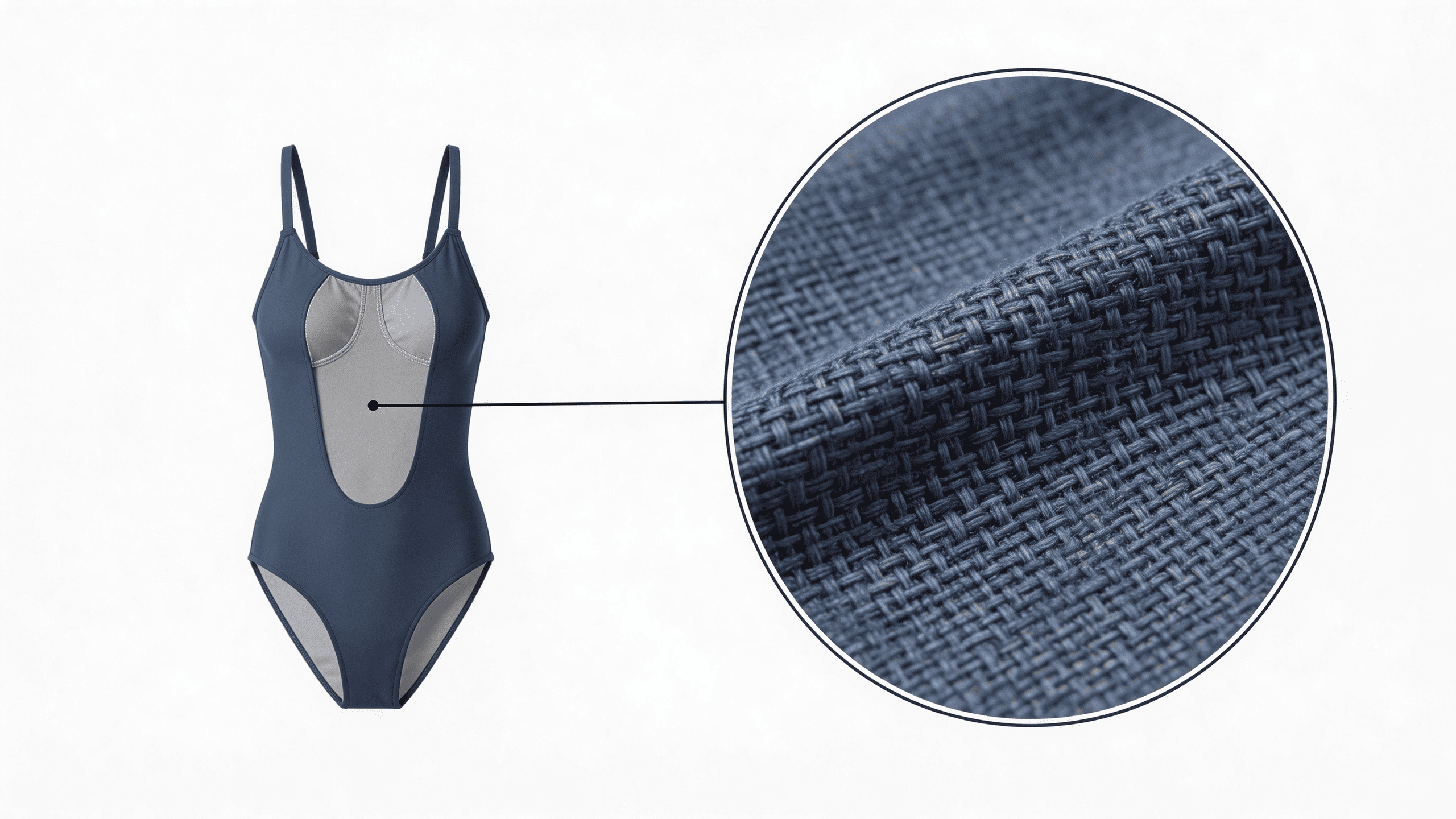 Polyester interlock is another popular choice for swimwear lining, known for its outstanding durability and superior chlorine resistance . Polyester fabric is resistant to shrinking and pilling, and it holds color well. While pure polyester is less stretchy than nylon-spandex blends, polyester blends with added spandex can provide sufficient elasticity .
Pros:
•Excellent chlorine and salt resistance
•Colorfast and resistant to fading
•Durable, resistant to pilling and shrinking
•Quick-drying
Cons:
•May not feel as soft as nylon-spandex
•Elasticity might be slightly less than nylon-spandex blends
3. Swim Mesh and Power Mesh
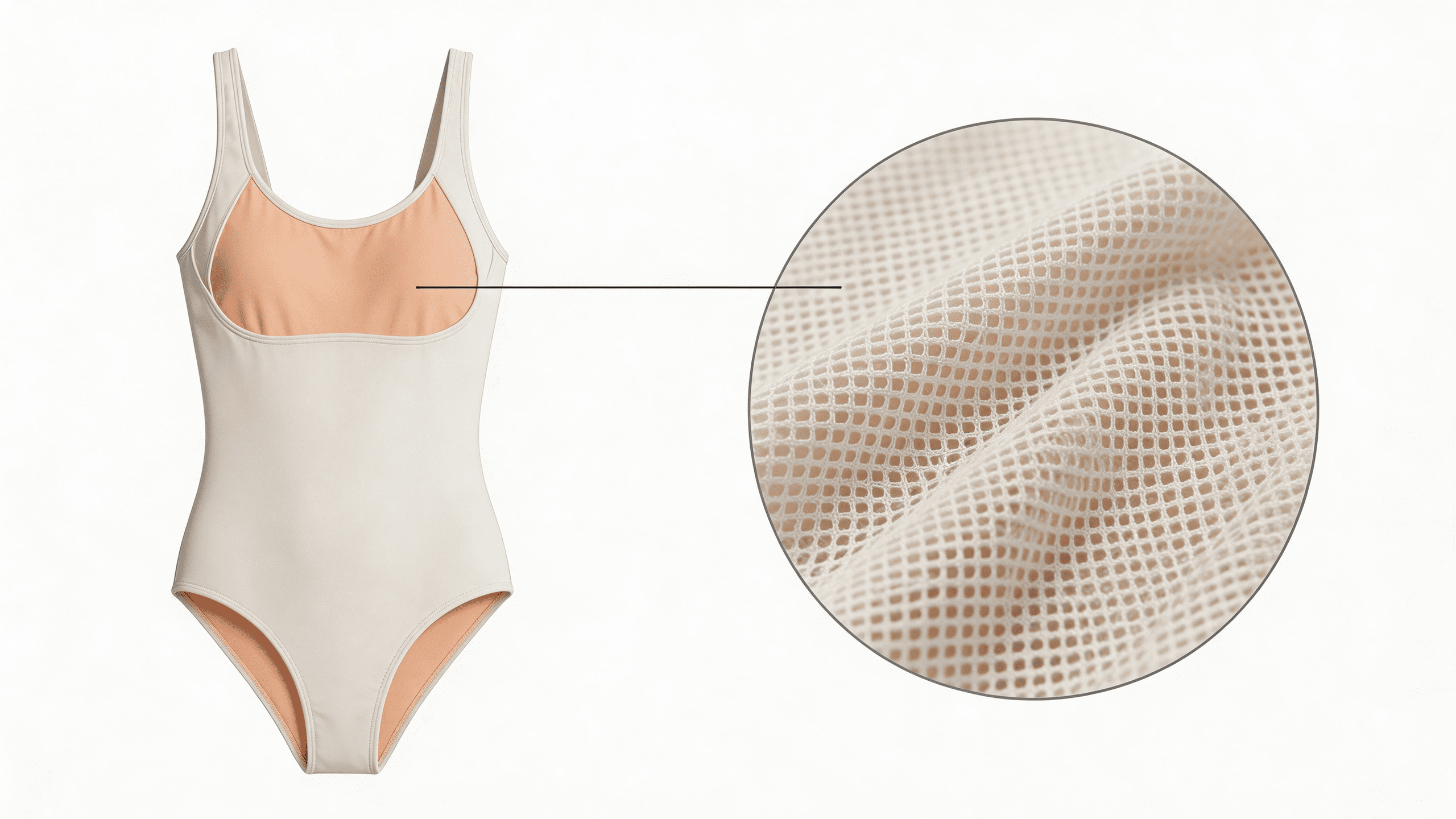 Swim mesh and power mesh are lightweight linings used primarily in areas requiring breathability and localized support. Swim mesh is light and allows water to pass through easily, making it suitable for hot weather or areas that need quick drainage. Power mesh has a stronger four-way stretch and provides firmer compression and shaping, often used in areas needing extra support like the bust or abdomen .
Pros:
•Lightweight, breathable, and quick-drying
•Power mesh offers excellent shaping and support
•Suitable for localized use, adding design flexibility
Cons:
•Swim mesh can be prone to snagging
•Power mesh can feel too restrictive if not used correctly
4. Microfiber and Cotton Blends
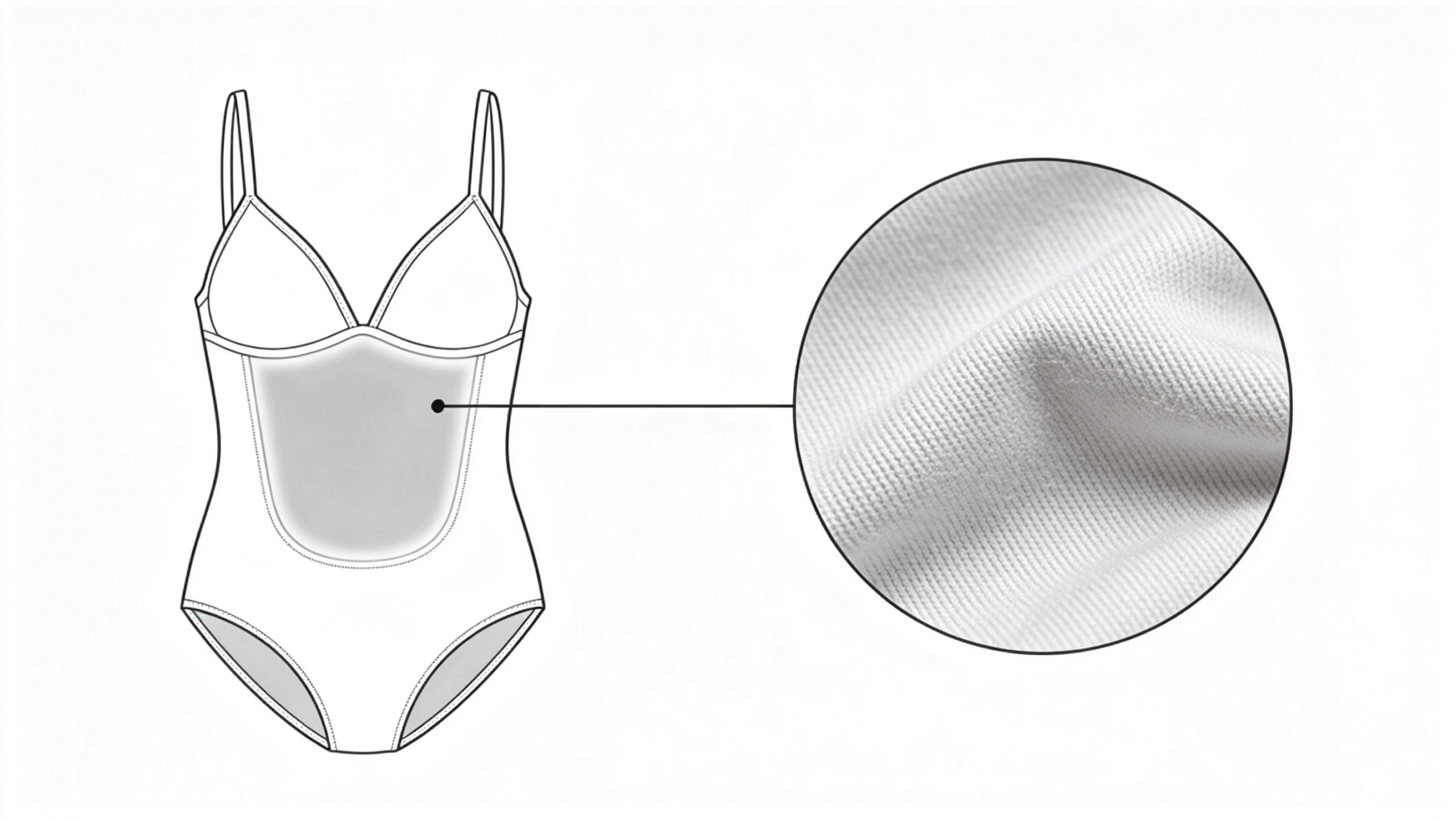 Microfiber and cotton blend linings are favored for their exceptional softness and skin-friendly feel, making them particularly suitable for sensitive skin or children's swimwear . Microfiber feels smooth and reduces irritation, while cotton blends offer good breathability and moisture absorption. However, these fabrics are generally less durable in chlorinated environments than synthetic fibers and may need to be replaced more frequently .
Pros:
•Extremely soft, skin-friendly, and ideal for sensitive skin
•Good breathability and moisture absorption
Cons:
•Poor chlorine resistance, leading to a shorter lifespan
•Not as quick-drying as synthetic fibers
5. Specialized Linings (Antimicrobial, Eco-Friendly, etc.)
With technological advancements, specialized swimwear linings are also available. For example, antimicrobial linings are treated to inhibit bacterial growth, reduce odors, and keep the swimwear fresh . Eco-friendly linings are made from sustainable materials like recycled polyester or nylon, aiming to reduce environmental impact .
Pros:
•Provide additional benefits (e.g., antibacterial, anti-odor)
•Align with environmental consciousness
Cons:
•May be more expensive
•Relatively limited options
Swimwear Lining Fabric Comparison Chart
Property | Nylon-Spandex Tricot | Polyester Interlock | Swim/Power Mesh | Microfiber/Cotton Blends | Specialized Linings |
Stretch | Excellent | Good | Good/Excellent | Good | Varies |
Recovery | Excellent | Good | Good/Excellent | Good | Varies |
Quick-Drying | Good | Excellent | Excellent | Fair | Varies |
Breathability | Good | Good | Excellent | Good | Varies |
Chlorine Resistance | Fair | Excellent | Good | Poor | Varies |
Softness | Excellent | Good | Fair/Good | Excellent | Varies |
Support/Shaping | Good | Good | Good/Excellent | Fair | Varies |
Skin Feel | Excellent | Good | Fair | Excellent | Varies |
How to Choose the Right Swimwear Lining Material
Choosing the most suitable swimwear lining involves considering the main fabric, intended use, activity level, and personal needs.
1. Match with the Main Swimwear Fabric
The stretch and recovery of the lining should be similar to the main fabric. If the main fabric is a high-stretch nylon-spandex blend, the lining should also be a nylon-spandex or polyester-spandex blend with similar elasticity to ensure overall harmony and comfort . Mismatched stretch can lead to discomfort or distortion. The color of the lining should also coordinate with the main fabric to prevent show-through.
2. Intended Use and Activity Level
•Leisure or Casual Wear: If the swimwear is mainly for vacationing or sunbathing, you can opt for linings that prioritize softness and comfort, such as nylon-spandex tricot or microfiber blends.
•Active Swimming or Water Sports: For competitive swimming or high-intensity water sports, you need a lining that offers stronger support and durability. Polyester interlock is an ideal choice due to its excellent chlorine resistance, while power mesh can provide extra compression and shaping to enhance performance .
•Children's Swimwear: For children's swimwear, prioritize soft, skin-friendly, and durable linings like microfiber or cotton blends, while also considering chlorine resistance for frequent pool use.
3. Special Needs
•Sensitive Skin: Microfiber and cotton blend linings are the best choice for sensitive skin, as their soft texture minimizes irritation.
•Eco-Consciousness: If you are environmentally conscious, you can choose eco-friendly linings made from recycled materials.
•Extra Hygiene: Antimicrobial linings effectively inhibit bacterial growth, keeping the swimwear clean and hygienic.
Sewing and Handling Tips
When making swimwear, proper sewing and handling techniques can ensure the lining performs its best:
•Use the Right Presser Foot: A walking foot helps to sew slippery or multiple layers of fabric smoothly, preventing slippage .
•Choose the Right Elastic: Swimwear-specific elastic provides a comfortable fit and helps maintain the shape of the garment .
•Use a Zigzag Stitch: A zigzag stitch is elastic and can stretch with the swimwear fabric, preventing the seams from breaking .
•Avoid Over-Stretching: Avoid stretching the fabric excessively during sewing to prevent distortion.
•Test First: Always test on a scrap piece of fabric to find the best settings for your fabric and sewing machine.
Conclusion
Swimwear lining is an often-overlooked but crucial element in swimwear design. By understanding the properties and applications of different lining fabrics, you can choose the most suitable lining for yourself or your products, creating swimwear that is comfortable, durable, and highly functional. Whether you're looking for ultimate softness, powerful support, or eco-friendly and antimicrobial properties, there is a lining on the market to meet your needs. Weigh your options carefully and choose wisely to let your swimwear shine in the water.