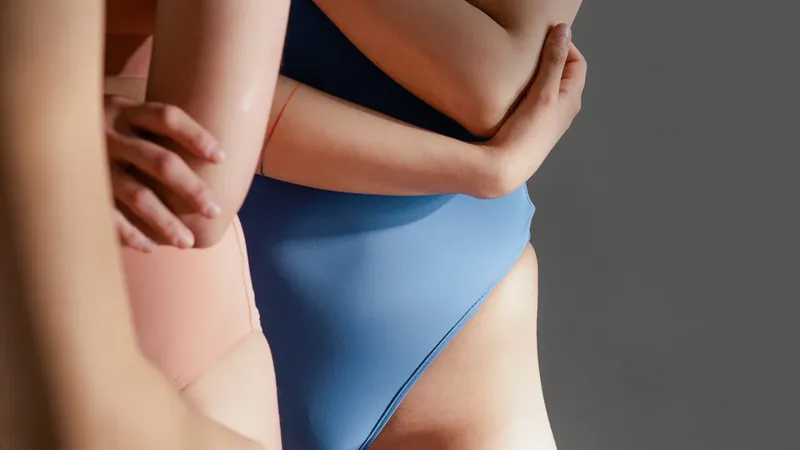
The global swimwear market is experiencing a significant boom, driven by evolving fashion trends, increased interest in resort wear, and a growing emphasis on sustainable practices. For aspiring entrepreneurs, this dynamic landscape presents a unique opportunity to dive into the fashion industry. Swimwear, with its relatively smaller storage footprint and consistent demand, offers an attractive entry point for those looking to build a brand with purpose and style. This comprehensive guide is designed to provide a practical, step-by-step roadmap for launching a successful swimwear line, focusing on actionable strategies and crucial details that can make all the difference.
Phase 1: Concept & Market Positioning (The Foundation)
Every successful brand begins with a clear vision. In the highly competitive swimwear market, defining your brand's unique identity and understanding its place within the broader industry are paramount. This foundational phase involves meticulous planning and strategic decision-making that will inform every subsequent step.
Defining Your Niche
Before sketching a single design, it's essential to pinpoint your brand's specific niche. The swimwear market is diverse, catering to various consumer segments. Consider where your brand will stand:
•Athletic: Performance-focused designs for active individuals, emphasizing durability, support, and quick-drying properties.
•Luxury: High-end materials, intricate detailing, and exclusive designs targeting a discerning clientele willing to invest in premium quality and aesthetics.
•Sustainable: Brands committed to ethical sourcing, eco-friendly materials (e.g., ECONYL®, REPREVE®), and transparent production processes, appealing to environmentally conscious consumers.
•Size-Inclusive: Offering a wide range of sizes and flattering cuts for all body types, addressing a significant demand for diverse representation in fashion.
Clearly defining your niche will guide your design philosophy, material choices, marketing efforts, and overall brand narrative.
Market Research: Analyzing Competitors and Identifying Gaps
Thorough market research is non-negotiable. Begin by analyzing existing swimwear brands, both established and emerging, within your chosen niche and beyond. Pay close attention to:
•Competitor Offerings: What styles, colors, and features are popular? What are their unique selling propositions?
•Pricing Tiers: Understand the pricing strategies of successful brands. Where will your brand position itself – entry-level, mid-range, or luxury?
•Customer Reviews and Feedback: Identify common pain points or unmet needs that your brand could address. This could be anything from fit issues to a lack of sustainable options.
By systematically identifying gaps in the market, you can carve out a distinct space for your brand and develop products that genuinely resonate with your target audience.
The "Hero" Product: Starting Small to Grow Big
While the temptation might be to launch a vast collection, successful swimwear startups often begin with a focused offering. Instead of overwhelming yourself and your resources, concentrate on developing 3-5 strong, signature styles that embody your brand's aesthetic and values. These
initial "hero" products will serve as your brand's calling card, allowing you to refine your design, production, and marketing processes before scaling up. This approach minimizes risk, optimizes resource allocation, and helps build a strong brand identity from the outset.
Phase 2: Design & Technical Development (The Details)
Once your brand concept and market positioning are solidified, the next critical phase involves translating your vision into tangible designs. This requires a meticulous approach to technical development, ensuring that your swimwear is not only aesthetically pleasing but also functional, durable, and comfortable.
The Tech Pack: The "Blueprint" of Your Brand
A Tech Pack (Technical Package) is the most crucial document in the apparel development process. It serves as the comprehensive blueprint for your manufacturer, detailing every aspect of your design. A well-prepared tech pack minimizes miscommunication, reduces sampling errors, and ensures consistent quality. Key components of a swimwear tech pack include:
•Technical Sketches: Clear, flat sketches of your garments from front, back, and side views, with detailed callouts for design features, stitching, and construction elements.
•Bill of Materials (BOM): A complete list of all components required for each garment, including main fabric, lining fabric, elastic, thread, labels (care, brand, size), hang tags, hygiene stickers, and any hardware (e.g., rings, sliders, clasps).
•Measurement Spec Sheet: A detailed chart outlining precise measurements for each size (e.g., XS, S, M, L, XL) at various points of the garment (e.g., bust, waist, hip, leg opening). This is critical for consistent sizing and fit.
•Construction Details: Specific instructions on how the garment should be sewn, including stitch types (e.g., zig-zag, twin needle, flatlock), seam allowances, and any special finishing techniques.
•Colorways: Pantone TCX codes for all fabrics and trims to ensure accurate color matching.
•Artwork/Print Placement: If your designs include prints, detailed specifications for their placement and scale.
Investing time and effort into creating a thorough tech pack will save significant time and money during the sampling and production stages.
Fabric Selection: GSM & Composition
The choice of fabric is paramount for swimwear, directly impacting comfort, performance, durability, and opacity. The most common and effective blend is nylon-spandex (or elastane), known for its excellent stretch, recovery, smooth finish, and resistance to chlorine and saltwater.
•GSM (Grams per Square Meter): This metric indicates fabric weight and density. For swimwear, GSM is crucial for opacity and support.
•180-200 GSM: Ideal for bikinis and lighter styles, offering good drape and comfort while maintaining sufficient opacity when dry. However, ensure the lining is robust to prevent transparency when wet.
•220-250 GSM: Recommended for one-pieces, supportive styles, or when a more luxurious, compressive feel is desired. This heavier weight provides enhanced coverage and a smoother silhouette, reducing the risk of transparency when wet.
•Sustainable Materials: The demand for eco-friendly swimwear is rapidly growing. Incorporating sustainable fabrics can be a significant brand differentiator.
•ECONYL®: A regenerated nylon yarn made from discarded fishing nets, fabric scraps, and industrial plastic from landfills and oceans. It offers the same performance as virgin nylon but with a significantly reduced environmental footprint.
•REPREVE®: A high-quality recycled polyester fiber made from 100% recycled materials, primarily plastic bottles. It's durable, water-resistant, and offers excellent stretch.
Hardware & Trims
Every small detail contributes to the overall quality and longevity of your swimwear. Hardware such as rings, sliders, clasps, and embellishments must be specifically designed for swimwear to withstand harsh conditions.
•Chlorine and Salt-Water Resistance: Ensure all metal hardware is made from materials like zinc alloy with special coatings or high-grade stainless steel to prevent corrosion, discoloration, and skin irritation.
•Durability: Trims like elastic bands and internal support structures should be robust and retain their elasticity after repeated exposure to water and sunlight.
Phase 3: Sourcing & Manufacturing (The Execution)
Bringing your designs to life requires partnering with the right manufacturers. This phase involves navigating the complexities of production, from finding suitable suppliers to managing the sampling process.
Finding the Right Partner: Domestic vs. Overseas
The choice between domestic and overseas manufacturing depends on various factors, including cost, minimum order quantities (MOQs), lead times, and ethical considerations.
•Domestic (e.g., USA, Europe): Often offers higher quality control, faster communication, shorter lead times, and potentially lower MOQs. However, unit costs can be higher.
•Overseas (e.g., Bali, China, Italy): Can provide more competitive pricing for larger orders and access to specialized swimwear expertise. Bali is particularly renowned for its swimwear manufacturing, offering a balance of quality and cost-effectiveness. China offers vast production capabilities, while Italy is known for premium fabrics and craftsmanship. Be mindful of longer lead times and potential communication barriers.
When selecting a manufacturer, prioritize those with proven experience in swimwear, a strong track record of quality, and transparent communication.
Navigating MOQs: Strategies for Startups
Minimum Order Quantities (MOQs) are a common challenge for new brands. Manufacturers set MOQs to ensure profitability, as setting up production lines involves fixed costs. However, there are strategies to manage them:
•Utilize Stock Colors: Instead of custom-dyeing fabrics (which often have very high MOQs), choose from the manufacturer's existing range of stock colors. This significantly reduces fabric MOQs.
•Start Small, Focus on Key Styles: As mentioned earlier, launching with 3-5 core styles in 2-3 colorways each is a pragmatic approach. This allows you to meet lower MOQs while still offering a cohesive collection.
•Find Low-Volume Factories: Some manufacturers specialize in working with startups and offer lower MOQs. Be prepared for potentially higher unit costs, but this can be a worthwhile investment to get your brand off the ground.
•Consolidate Orders: If you have multiple styles, some manufacturers might allow you to combine them to meet a total MOQ, even if individual style MOQs are lower.
The Sampling Loop: Prototype -> Fit Sample -> PP Sample
The sampling process is iterative and crucial for perfecting your designs before mass production. It typically involves several stages:
1.Prototype (First Sample): Based on your tech pack, the manufacturer creates the initial physical sample. This is primarily to check the overall design, construction, and material drape.
2.Fit Sample: After reviewing the prototype, adjustments are made, and a fit sample is created. This sample is then tested on a live model (or a fit model with your target customer's measurements) to assess comfort, movement, and how the garment sits on the body. Multiple fit samples may be needed to achieve the desired fit.
3.Pre-Production (PP) Sample: Once the fit is approved, the PP sample is made using the exact fabrics, trims, and construction methods that will be used in mass production. This is the final approval sample, ensuring everything is correct before the full production run begins.
Thoroughly reviewing each sample and providing clear, constructive feedback to your manufacturer is vital for a successful outcome.
Phase 4: Branding & Marketing (The Launch)
With your product developed, the focus shifts to building brand awareness and generating excitement for your launch. Effective branding and marketing are essential to connect with your target audience and drive sales.
Visual Storytelling: The Power of High-Quality Lifestyle Photography
In the visual world of fashion, especially swimwear, high-quality imagery is non-negotiable. Your product photography should evoke emotion, tell a story, and showcase your swimwear in its intended environment.
•Lifestyle Shots: Feature models wearing your swimwear in aspirational settings (e.g., beaches, poolside, vacation spots). These images help customers envision themselves in your products.
•Product Shots: Clear, well-lit images of the swimwear on a mannequin or flat lay, highlighting details, fabric texture, and construction.
•User-Generated Content (UGC): Encourage customers to share photos of themselves in your swimwear. UGC builds authenticity and trust, often being more relatable than professional shoots.
Invest in professional photography and videography that aligns with your brand's aesthetic and target demographic.
Pre-launch Strategy: Building Hype and an Email List
Generating anticipation before your official launch is a powerful marketing tactic. A well-executed pre-launch strategy can create a loyal customer base from day one.
•"Coming Soon" Page: Set up a simple landing page on your website several months before launch. This page should capture email addresses in exchange for early access, exclusive discounts, or updates.
•Social Media Teasers: Share behind-the-scenes glimpses of your design process, fabric choices, and brand story on platforms like Instagram and TikTok. Use engaging visuals and compelling captions to build excitement.
•Collaborations: Partner with complementary brands or influencers for giveaways or joint promotions to expand your reach.
An engaged email list is one of your most valuable assets, allowing direct communication with interested customers.
Influencer & UGC Strategy: Leveraging Authentic Voices
Influencer marketing and user-generated content are highly effective for swimwear brands, given the visual nature of the product.
•Micro-Influencers: Focus on micro-influencers (10k-100k followers) in niches like travel, fitness, wellness, or sustainable fashion. They often have highly engaged audiences and offer more authentic endorsements than mega-influencers.
•Authenticity: Seek out influencers whose personal brand aligns genuinely with your swimwear brand's values and aesthetic. Authentic partnerships yield better results.
•UGC Campaigns: Run contests or create specific hashtags to encourage customers to share their photos. Reposting UGC on your brand's social media channels not only provides free content but also builds a sense of community.
Phase 5: Operations & Logistics (The Practicalities)
Once your swimwear is ready for sale, efficient operations and logistics are crucial for customer satisfaction and business growth. This phase addresses the practical aspects of running your brand.
Hygiene & Returns: Managing Swimwear-Specific Challenges
Swimwear presents unique challenges regarding hygiene and returns. Clear policies and practical solutions are essential.
•Hygiene Liners: All swimwear bottoms must include a removable hygiene liner. This is a non-negotiable requirement for health and safety, especially for returns.
•Clear Return Policy: Develop a transparent and easy-to-understand return and exchange policy. Clearly state conditions for returns (e.g., unworn, original tags, hygiene liner intact) to manage customer expectations.
•Quality Control: Implement rigorous quality checks before shipping to minimize defects and reduce returns.
Eco-friendly Packaging: Aligning with Brand Values
If sustainability is a core value of your brand, extend this commitment to your packaging. Eco-friendly packaging enhances brand perception and appeals to environmentally conscious consumers.
•Compostable Mailers: Use mailers made from biodegradable and compostable materials.
•Recycled Materials: Opt for packaging made from recycled paper or plastic.
•Minimalist Design: Reduce unnecessary packaging components to minimize waste.
Your packaging is often the first physical interaction a customer has with your brand; make it count.
E-commerce Setup: Your Digital Storefront
An intuitive and visually appealing e-commerce platform is vital for selling your swimwear. While various options exist, Shopify remains a popular and robust choice for fashion brands due to its user-friendliness, extensive app store, and scalability.
•High-Quality Product Pages: Each product page should feature multiple high-resolution images, detailed descriptions (fabric composition, care instructions, sizing guide), and customer reviews.
•Seamless Checkout Process: Ensure a smooth and secure checkout experience to minimize cart abandonment.
•Mobile Responsiveness: Your website must be fully optimized for mobile devices, as a significant portion of online shopping occurs on smartphones.
Conclusion
Launching a swimwear line is an exciting entrepreneurial journey that combines creativity with strategic business acumen. By meticulously defining your brand, developing high-quality products, partnering with reliable manufacturers, and executing a compelling marketing strategy, you can build a successful and sustainable swimwear brand. Remember that persistence, adaptability, and a deep understanding of your customer are key to navigating the challenges and celebrating the triumphs in this vibrant industry.
Checklist for the First 90 Days:
•Week 1-4: Foundation & Design
•Finalize brand niche and target audience.
•Complete market research and competitor analysis.
•Develop initial 3-5 "hero" styles.
•Create detailed tech packs for all designs.
•Source and select main fabrics and trims.
•Week 5-8: Sampling & Production Prep
•Send tech packs to manufacturers for prototyping.
•Review and refine prototypes; conduct fit testing.
•Approve pre-production samples.
•Confirm production order with manufacturer, including MOQs and lead times.
•Week 9-12: Pre-Launch & Marketing
•Plan and execute professional product photography and videography.
•Set up e-commerce store (e.g., Shopify) with all product listings.
•Launch "Coming Soon" page and start building email list.
•Develop social media content strategy and begin teaser campaigns.
•Initiate outreach to micro-influencers.
•Finalize packaging and logistics partners.
This checklist provides a structured approach to your initial launch, but be prepared to adapt and learn as you go. Your passion for swimwear, combined with diligent execution, will pave the way for your brand's success.