Tan-through swimwear promises a more even tan with fewer visible swimsuit lines. The idea is appealing, but shoppers and swimwear brands often ask the same practical question: does tan-through swimwear actually work?
The short answer is yes—tan-through swimwear can work by allowing some ultraviolet radiation to reach covered skin. However, the result is not identical to tanning uncovered skin. Performance depends on fabric construction, color, stretch, fit, UV intensity, wear time, skin type, sunscreen use and whether the material has been independently tested.
For consumers, this means tan-through swimwear should be viewed as a specialized product rather than a shortcut to a perfectly even tan. For swimwear brands, it also means that fabric selection, product testing, transparent labeling, and responsible marketing are essential.
What Is Tan-Through Swimwear?
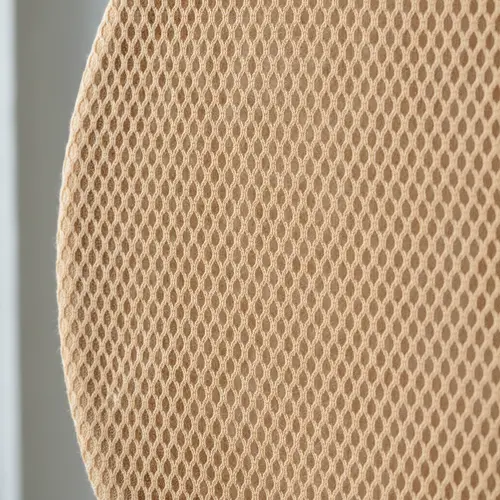
Tan-through swimwear is made from a lightweight fabric engineered to let a controlled portion of sunlight pass through the garment. Instead of creating a completely opaque barrier, the material uses a fine open-knit, mesh-like structure or microscopic openings distributed across the fabric.
These openings are generally too small to make the swimsuit visibly transparent under normal conditions, especially when the fabric is printed or layered visually through color and pattern. However, they can permit more ultraviolet radiation to reach the skin than conventional tightly knitted swimwear.
The garment still provides coverage, but it usually does not offer the same level of sun protection as high-UPF swimwear unless a verified test states otherwise.
How Does Tan-Through Fabric Work?
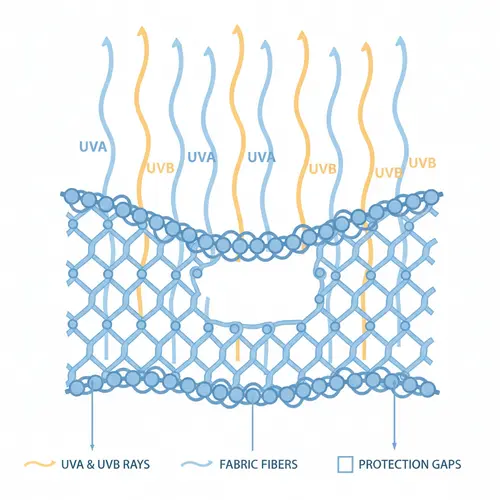
The basic principle is straightforward: smaller yarns and a more open fabric structure create pathways through which light can travel. A tightly knitted conventional swimsuit blocks or absorbs more UV radiation. A tan-through fabric intentionally reduces that barrier.
The tanning effect is influenced by several fabric and garment variables:
Design Factor | How It Can Affect Tan-Through Performance |
|---|---|
Knit or mesh openness | A more open construction may allow more UV radiation to reach the skin. |
Yarn thickness | Finer yarns can create a lighter, more breathable fabric with less physical blockage. |
Color and print | Dark colors, dense pigments, and heavy prints may reduce UV transmission compared with lighter or less saturated designs. |
Fabric stretch | Stretching can enlarge spaces between yarns, but excessive stretch may reduce coverage and garment durability. |
Fit | Uneven tension, folds, and overlapping fabric can produce inconsistent UV exposure across the skin. |
Lining and padding | Linings, pockets, cups, and multi-layer areas can block substantially more UV than the main shell fabric. |
Wetness | Water can change a fabric’s optical behavior, fit, and cling, so wet and dry performance may differ. |
The phrase “micro-perforated” is often used in product marketing, but not every tan-through textile is literally punctured after production. Some fabrics achieve the effect through knitting geometry, yarn selection or mesh construction. For a brand developing this category, the technical specification should describe the actual material rather than rely only on a consumer-facing phrase.
Important: Tan-through does not mean UV-free, risk-free or sunscreen-free. If enough UV reaches the skin to create a tan, enough may also contribute to sunburn and cumulative skin damage.
Does Tan-Through Swimwear Work in Real Life?
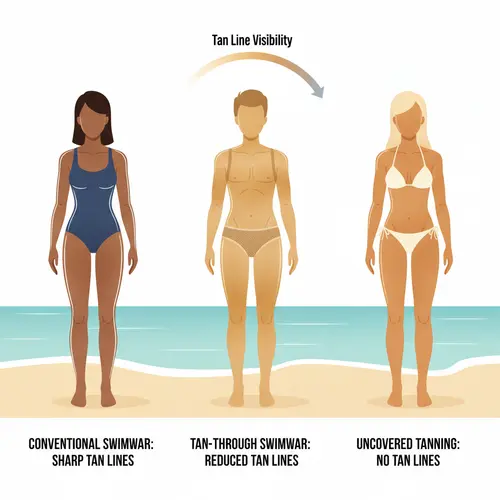
In real-world use, tan-through swimwear can reduce the contrast between exposed and covered areas, particularly with repeated, moderate wear. However, most wearers should expect a softer, slower and less predictable tan beneath the fabric than on completely uncovered skin.
A realistic comparison looks like this:
Wearing Condition | Expected Tanning Effect | Likelihood of Visible Tan Lines | Sun-Protection Level |
|---|---|---|---|
Uncovered skin without sunscreen | Fastest and strongest UV exposure | Very high at garment edges | Very low |
Uncovered skin with properly applied sunscreen | Slower, reduced UV exposure | Possible | Depends on sunscreen, application, and reapplication |
Tan-through swimwear | Partial UV exposure through fabric | Usually reduced, but not necessarily eliminated | Variable; often lower than protective swimwear |
Standard lined swimwear | Limited UV exposure beneath covered areas | High | Variable by fabric, color, stretch, and construction |
Certified high-UPF swimwear | Minimal UV transmission through covered areas | High, because covered skin tans less | High when the garment is correctly tested and used |
Several details can make real-world results look uneven. A swimsuit may contain elastic bands, seams, labels, linings, removable pads or double-layer support panels that block more light than the main fabric. Printed areas may behave differently from solid sections. Fabric that bunches around the waist or hips creates overlapping layers, while stretched areas may transmit more light.
As a result, tan-through swimwear may soften traditional swimsuit lines, but it cannot guarantee a completely uniform, head-to-toe tan.
How Long Does It Take to See a Tan?
There is no universal timeline because tanning response varies considerably between individuals and environments. Some users may notice a subtle difference after several moderate outdoor sessions, while others may need repeated wear over one or two weeks before covered areas look visibly darker.
The timeline depends on:
Natural skin response: Skin with more melanin may show a visible color change differently from very fair skin, which may burn before developing much of a tan.
UV intensity: Time of day, season, altitude, latitude and cloud conditions all affect exposure.
Fabric transmission: Different tan-through materials do not pass the same amount of UV.
Sunscreen: Correct sunscreen use reduces UV reaching the skin and may slow visible tanning, but it remains important for exposed and fabric-covered areas when protection is needed.
Wear duration and frequency: Several shorter sessions may create a more gradual result than one long period of intense exposure.
Garment construction: Lined, padded or reinforced sections will usually tan more slowly than single-layer areas.
A tan is evidence that the skin has responded to UV exposure. Therefore, the safest goal is not to tan as quickly as possible. Long, intense exposure intended to accelerate results increases the risk of burning, especially when users assume that the swimsuit itself provides adequate protection.
Tan-Through Swimwear vs. UPF Swimwear
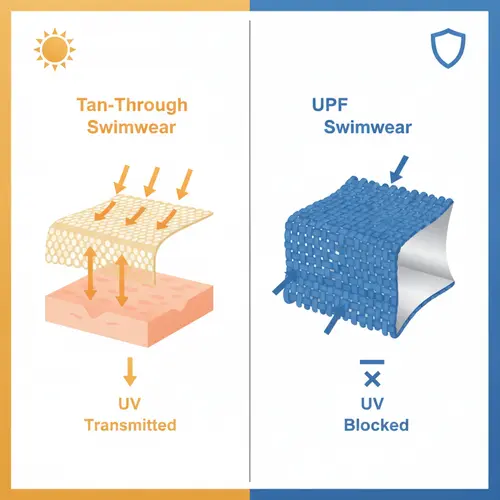
Tan-through swimwear and UPF swimwear are designed around different priorities. Tan-through products aim to transmit some UV to the skin. High-UPF products aim to block as much UV as possible.
UPF, or Ultraviolet Protection Factor, describes how much UV radiation a fabric allows to pass. In simplified terms, a UPF 50 fabric permits approximately one-fiftieth of UV radiation to pass through under the relevant test conditions. The rating applies to tested fabric or garments and should not be assumed from appearance alone.
UPF Comparison Chart
UPF rating | Approximate UV transmitted | Approximate UV blocked | Practical interpretation |
|---|---|---|---|
UPF 5 | 20% | 80% | Low fabric protection; substantial UV can reach the skin. |
UPF 10 | 10% | 90% | More protective than UPF 5, but not typically considered strong sun-protective coverage. |
UPF 15 | 6.7% | 93.3% | Commonly treated as the lower boundary of meaningful rated protection. |
UPF 30 | 3.3% | 96.7% | Good UV protection when supported by valid testing. |
UPF 50 | 2% | 98% | Excellent UV protection and a common target for protective swimwear. |
UPF 50+ | ≤ 2% | ≥ 98% | Very high protection within the limits of the applicable test and labeling standard. |
These percentages are mathematical approximations based on the UPF value, not a claim about every garment sold under a particular category. Tan-through swimwear should never be assigned a UPF rating without appropriate testing. Fabric weight, stretch, wetness, color, chemical treatments, washing and production variation can affect performance.
For custom swimwear brands, positioning is especially important. A collection focused on tanning and breathability should not be marketed as equivalent to a high-UPF sun-protective range. Brands serving multiple customer groups may benefit from developing separate product lines: a tan-through leisure collection and a tested UPF collection for extended outdoor use, children’s products, water sports or sun-sensitive consumers.
Who May Like Tan-Through Swimwear?
Tan-through swimwear may suit adults who understand that the fabric allows UV exposure and who prefer a lighter, faster-drying garment for moderate recreational use. It can be appealing to customers who want to reduce sharp bikini or swimsuit lines without wearing a more revealing silhouette.
It may also suit resort, beachwear and lifestyle brands seeking a differentiated fabric story. From a product-development perspective, the category offers opportunities in engineered knits, breathable prints, lightweight one-pieces, bikinis, men’s swim briefs and coordinating cover-ups.
A strong product is not based on the fabric alone. Comfortable stretch recovery, opacity, chlorine and saltwater resistance, secure seams, colorfastness, fit consistency and thoughtful placement of support components all influence customer satisfaction.
Who Should Be More Cautious or Choose Another Option?
People With Sensitive or Sun-Reactive Skin
Consumers with very fair skin, a history of easy burning, photosensitivity, pigment concerns or skin conditions aggravated by sunlight may find tan-through swimwear unsuitable. Some medications and skincare ingredients can also increase sensitivity to UV exposure. These users should seek individualized guidance from a qualified healthcare professional rather than depend on a garment for protection.
Sensitive skin can also react to more than sunlight. Dyes, finishes, elastics, adhesives and prolonged contact with wet fabric may cause discomfort. Brands targeting this segment should consider soft-touch materials, carefully selected finishes, clear fiber-content labeling and controlled wear testing, while avoiding unsupported claims such as “hypoallergenic.”
People Expecting Long or Intense Sun Exposure
Tan-through swimwear is generally a poor choice when sun protection is the main requirement. Examples include all-day boating, tropical midday exposure, outdoor work, high-altitude swimming, surfing, long beach events and destinations with intense UV conditions.
In these situations, tested high-UPF swimwear, rash guards, broader body coverage, shade and correctly used broad-spectrum sunscreen are more appropriate components of a sun-safety strategy. No swimsuit protects areas it does not cover, and garment protection can be reduced by poor fit, wear, damage or untested construction changes.
Children and Customers Who Cannot Manage Their Own Sun Protection
Brands should take particular care with products for children. A tanning-focused benefit conflicts with the protective expectations many buyers have for children’s swimwear. If a business develops children’s products, high coverage and independently verified UPF performance are generally more suitable priorities than UV transmission.
What to Check Before Buying Tan-Through Swimwear
Consumers should look beyond a simple “tan-through” product label. A credible product description should explain the fabric, coverage, lining, fit and care requirements without implying that tanning is harmless.
Before purchasing, consider the following questions:
Is the garment single-layer or lined? Lined sections will transmit less UV and may create noticeable differences.
Is it opaque when stretched and wet? Lightweight fabric must still provide appropriate coverage in real use.
Does the brand publish a tested UPF value? If not, do not assume the garment provides meaningful UV protection.
How stable is the fit? Excessive stretching can affect opacity, UV transmission and durability.
Are prints and colors consistent across production? Pigment variation can influence appearance and potentially alter transmission.
What care does the fabric require? Heat, harsh chemicals, abrasion and repeated washing may change fabric performance.
Does the product explain responsible use? Clear guidance builds trust and reduces the risk of consumers misinterpreting the benefit.
What Swimwear Brands Should Know Before Developing a Tan-Through Collection
For brands, tan-through swimwear is a technical development project rather than a standard fabric substitution. Changing the shell material can affect pattern dimensions, seam selection, support, opacity, recovery and production tolerances.
The development process should evaluate the complete garment in both dry and wet conditions. A fabric that looks suitable as a flat swatch may behave differently once stretched over the body. Cups, gussets and modesty panels require particular attention because extra layers can interrupt the tanning effect. At the same time, removing necessary support or lining simply to increase UV transmission can compromise comfort and coverage.
A responsible OEM or ODM program may include:
Development stage | Key considerations for tan-through swimwear |
|---|---|
Material sourcing | Knit structure, fiber content, stretch, recovery, opacity, UV transmission, and supplier consistency. |
Design engineering | Coverage, panel placement, lining strategy, support, and reduction of unnecessary overlapping layers. |
Sampling | Dry and wet fitting, stretch behavior, print appearance, and seam comfort. |
Testing | UV or UPF testing where claims are made, plus colorfastness, chlorine resistance, saltwater resistance, and dimensional stability. |
Production control | Shade consistency, fabric lot variation, cutting direction, seam quality, and measurement tolerances. |
Labeling and marketing | Accurate claims, care instructions, sun-exposure guidance, and a clear distinction from protective UPF products. |
For a brand portfolio, tan-through and high-UPF products can coexist, but their purposes must remain clear. One serves customers seeking a lighter tanning-oriented experience; the other serves customers prioritizing UV protection. Separating these use cases supports better merchandising, more accurate product education and stronger long-term brand credibility.
The Bottom Line: Is Tan-Through Swimwear Worth It?
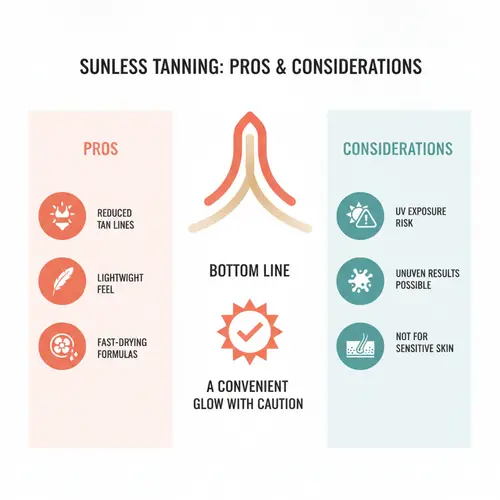
Tan-through swimwear can work, but expectations need to be realistic. It may allow enough UV through the fabric to gradually reduce the contrast of swimsuit lines. It will not necessarily tan covered skin at the same speed as exposed skin, and seams, linings, prints and fit can create uneven results.
It is best suited to informed adult consumers who want a lightweight leisure swimsuit and are prepared to manage sun exposure carefully. It is less suitable for sensitive or highly sun-reactive skin, children, prolonged exposure and situations where reliable UV protection is the priority.
For swimwear brands and private-label buyers, success in this category depends on more than a trend-driven claim. It requires deliberate textile selection, garment engineering, realistic communication, quality control and testing appropriate to the target market.
Develop Your Custom Swimwear Collection With an Experienced Manufacturing Partner
Planning a tan-through concept, a certified UPF swimwear range or a broader branded collection? We support custom swimwear development, private-label manufacturing, OEM/ODM production and brand collaboration for B2B clients. Our service can cover material selection, design development, sampling, fit refinement, print and color customization, functional construction, quality control and scalable production.
Whether you are launching a new swimwear brand or expanding an established product line, we can help translate your positioning into manufacturable products with the right balance of aesthetics, performance, comfort and commercial viability. Contact our team to discuss your custom swimwear brief, target market, order requirements and OEM/ODM partnership needs.
Frequently Asked Questions
1. Can you really tan through tan-through swimwear?
Yes. The fabric’s open or micro-structured construction can allow a portion of UV radiation to reach covered skin. The tan beneath the garment is usually slower and lighter than the tan on uncovered skin, and results vary by fabric, fit, UV conditions, sunscreen use and individual skin response.
2. Do you need sunscreen under tan-through swimwear?
Tan-through swimwear should not be treated as a substitute for sunscreen. If UV can pass through the fabric, covered skin can still be exposed. Users should follow suitable sun-protection practices for their skin and conditions, including applying broad-spectrum sunscreen to areas that may receive UV and reapplying it as directed.
3. Does tan-through swimwear prevent tan lines completely?
Not necessarily. It can reduce the contrast of tan lines, but seams, elastic, lining, padding, labels, folds and overlapping panels may block more UV than the main fabric. These construction details can leave lighter areas or subtle lines.
4. Is tan-through swimwear the same as UPF 50 swimwear?
No. The two products serve different purposes. Tan-through swimwear is designed to allow some UV transmission, while UPF 50 swimwear is designed to block approximately 98% of UV under the applicable test conditions. A product should not claim a UPF rating unless its material or garment has been properly tested.
5. Can brands customize tan-through swimwear through OEM or ODM production?
Yes. Tan-through fabrics can be developed into customized bikinis, one-pieces and other swim styles through OEM or ODM services. The program may include custom silhouettes, colors, prints, labels, trims, packaging and fit specifications. Because fabric openness affects coverage, stretch and construction, brands should work with a manufacturing partner that can manage sampling, testing and production quality rather than treating it like ordinary swimwear fabric.