The swimwear industry is witnessing a profound shift in design aesthetics. While standard cutouts have long been a staple in resort wear, an emerging sub-trend is redefining the category: architectural, sculptural cutouts. This design philosophy transcends basic skin exposure, utilizing geometric framing, structural negative space, and deliberate asymmetry as its primary design language. For swimwear brands aiming to capture the luxury and high-fashion market segments, mastering the technical execution of these sculptural silhouettes is no longer optional—it is a competitive necessity.
The Evolution of the Cutout: From Basic to Architectural
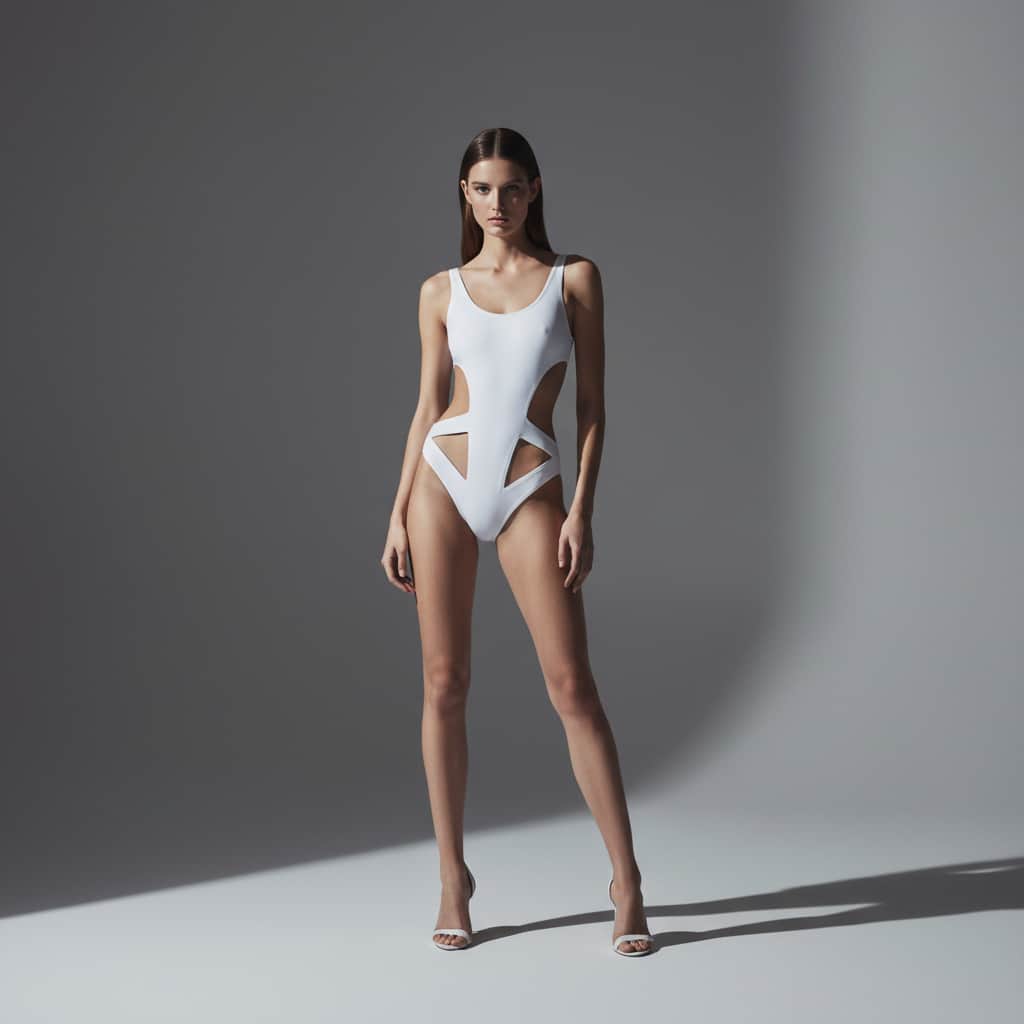
Historically, cutouts in swimwear were simple additions—a keyhole at the bust or slashed sides on a one-piece. Today, the approach is highly architectural. Designers are treating the human body as a landscape, engineering swimwear that interacts with the wearer's form through calculated voids and structural tension. This evolution demands a rigorous understanding of garment engineering, as removing fabric inherently compromises structural integrity, especially in active environments like swimming.
Geometric Framing and Precision
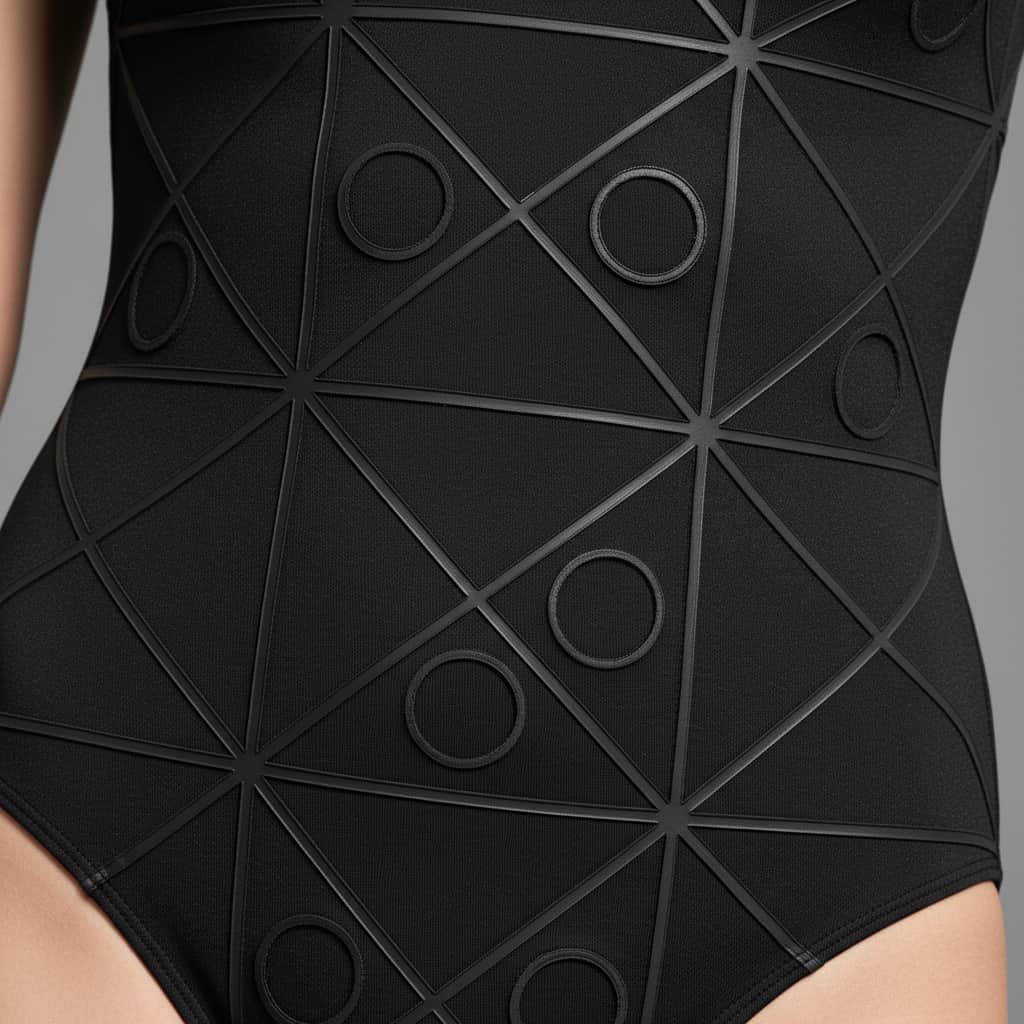
Architectural swimwear relies heavily on geometric framing. Sharp angles, precise circles, and engineered polygons are strategically placed to highlight or contour the body. Executing these shapes technically requires flawless pattern making. Unlike traditional curves, geometric cutouts demand absolute precision; a deviation of even a few millimeters can distort the intended shape when the fabric is stretched over the body.
To achieve this, manufacturers must employ advanced CAD software to simulate tension and stretch across different body types. The pattern must account for the fabric's modulus—its resistance to stretch—ensuring that the geometric frame remains crisp and undistorted when worn.
Structural Negative Space
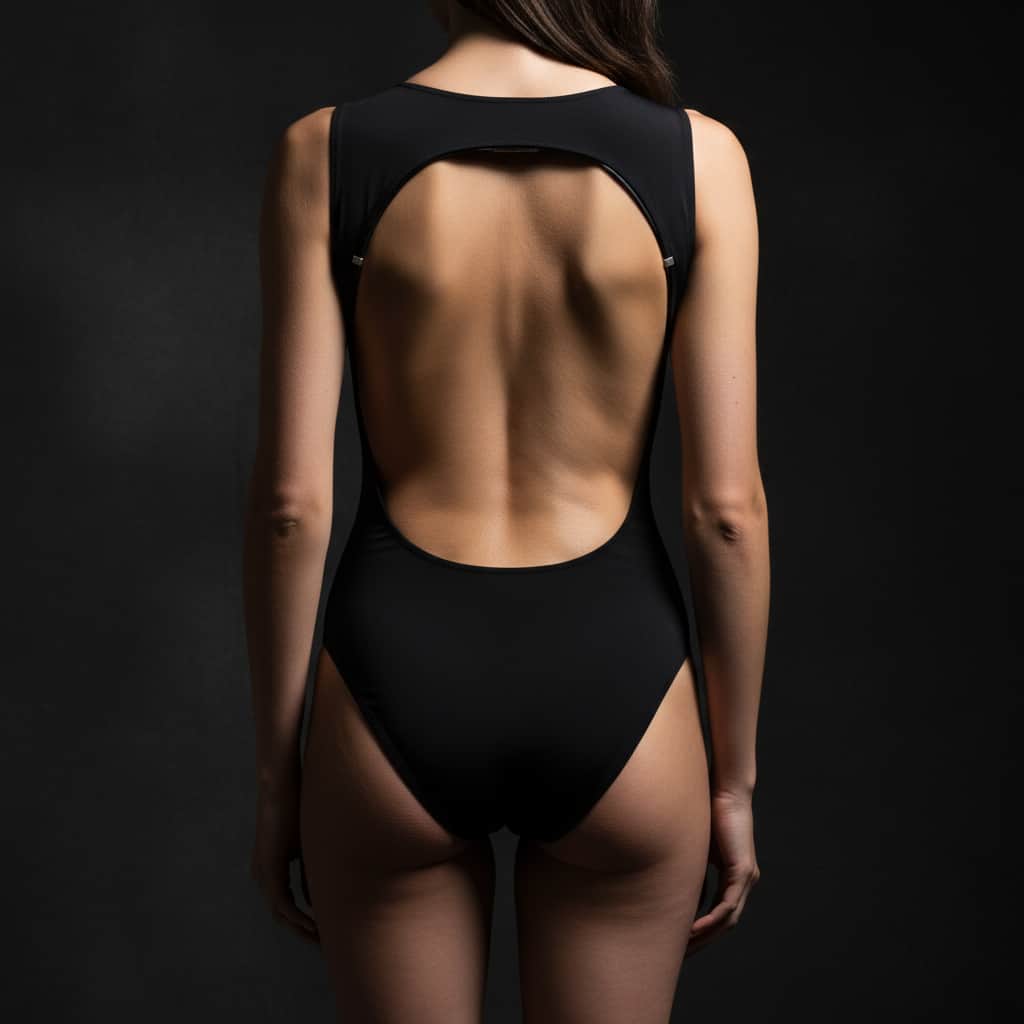
In sculptural design, what is absent is just as important as what is present. Structural negative space turns the exposed skin into an active element of the garment's design. However, creating large, unsupported voids in swimwear presents significant technical challenges. The remaining fabric must bear the structural load, providing support and coverage without shifting.
Technical execution involves strategically reinforcing the boundaries of the negative space. This can be achieved through internal taping, elasticized binding, or hidden micro-wires that maintain the shape of the void. The goal is to create a floating effect, where the fabric appears to effortlessly frame the body, belying the complex engineering beneath the surface.
Asymmetry as a Design Language
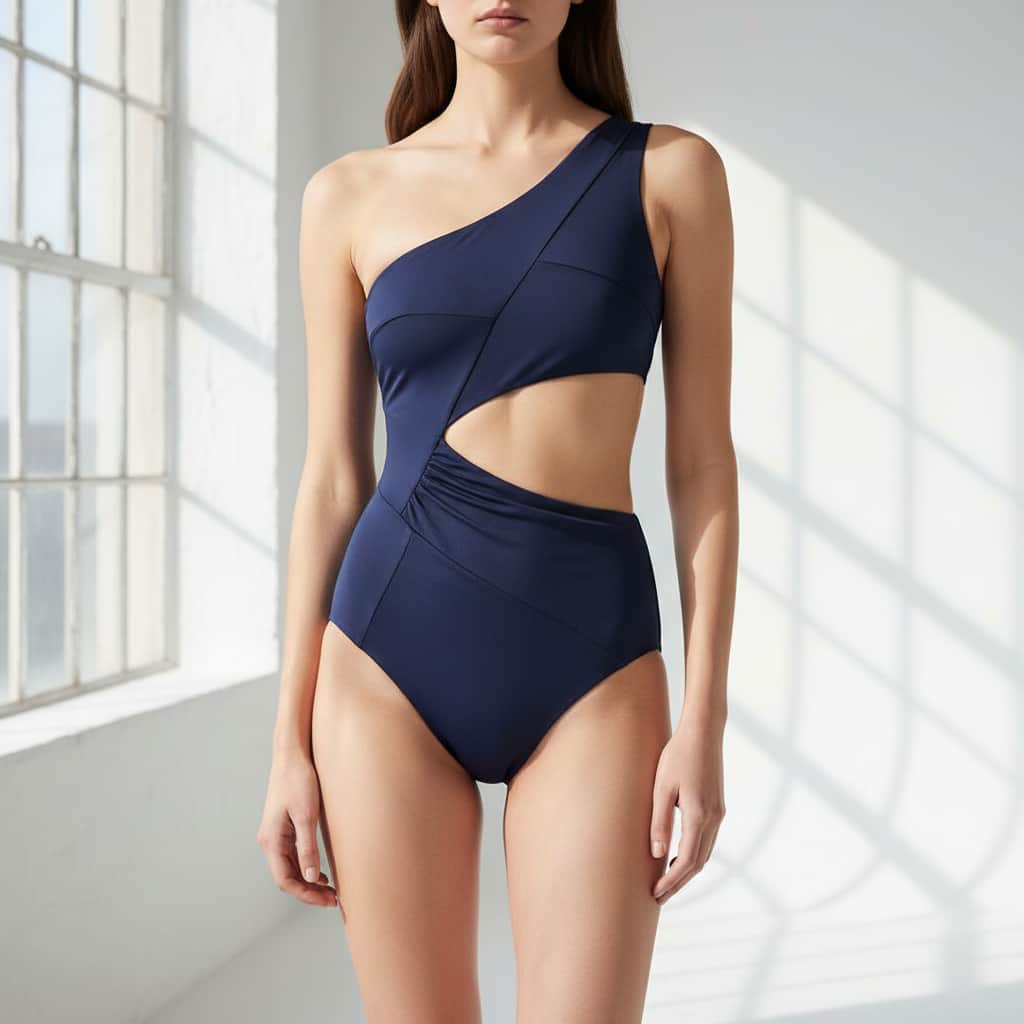
Asymmetry is a hallmark of architectural swimwear, offering a dynamic and avant-garde aesthetic. A single-shoulder strap paired with an off-center waist cutout creates a visual tension that is highly sought after in contemporary design. Yet, asymmetry complicates the balance of the garment.
Technically, an asymmetrical swimsuit must be engineered to distribute weight and tension evenly, despite its unbalanced appearance. This often requires differentiated paneling, where varying fabric tensions are used on different sides of the garment to ensure it remains anchored in place. Expertise in grading is also crucial, as asymmetrical designs scale differently across size ranges compared to symmetrical pieces.
Technical Execution: Engineering the Sculptural Silhouette
Translating an architectural sketch into a functional swimsuit requires unparalleled manufacturing expertise. The execution relies on three foundational pillars: fabric technology, construction techniques, and structural reinforcements.
Advanced Fabric Selection
Not all swimwear fabrics can support sculptural cutouts. The design demands materials with high recovery rates and substantial compressive strength. Fabrics with a higher percentage of elastane or specialized shape-retention fibers are essential. These materials provide the necessary tension to hold sharp geometric shapes and prevent the edges of the cutouts from rolling or sagging over time.
Innovative Construction Techniques
The edges of a sculptural cutout must be pristine. Traditional overlock stitching can add bulk and disrupt the clean lines of an architectural design. Instead, manufacturers must utilize advanced construction techniques such as seamless bonding, laser cutting, and invisible stitching.
Seamless edge finishing, achieved through heat-bonding or ultrasonic welding, creates a sleek, flat profile that enhances the modern aesthetic. When stitching is necessary, clean-finish techniques or hidden elastics ensure that the structural integrity is maintained without compromising the visual purity of the cutout.
Hidden Structural Components
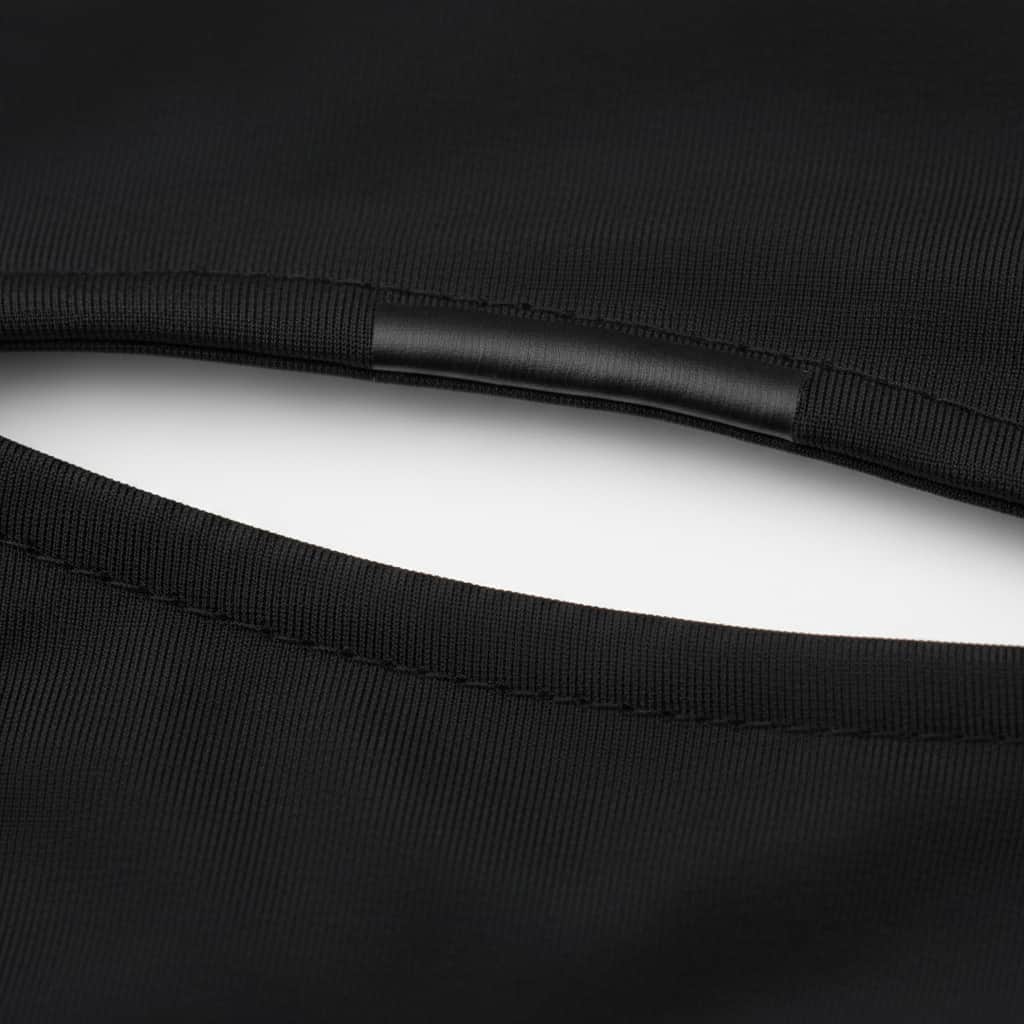
To defy gravity and maintain complex shapes, architectural swimwear often incorporates hidden hardware. Flexible boning, molded cups, and continuous underwires can be integrated into the seams surrounding a cutout. These components act as the skeleton of the garment, providing invisible support and ensuring the negative space retains its intended architectural form, regardless of the wearer's movements.
Elevating Your Swimwear Collection
Integrating sculptural cutouts into your swimwear line offers a distinct market advantage. It signals a commitment to high-fashion aesthetics and superior craftsmanship, appealing to discerning consumers who view swimwear as an extension of their curated wardrobe. However, the complexity of these designs necessitates partnering with a manufacturer who possesses the technical acumen to bring these architectural visions to life without sacrificing fit or functionality.
Bring Your Architectural Swimwear Visions to Life
Executing sculptural cutouts requires more than just a sketch; it requires precision engineering and advanced manufacturing capabilities. As a premier B2B swimwear manufacturer, we specialize in high-end OEM/ODM services, custom swimwear production, and comprehensive brand partnerships. Our technical design team and state-of-the-art production facilities are equipped to handle the complexities of architectural swimwear, from laser-cut precision to advanced structural support.
Whether you are launching a new luxury collection or seeking to elevate your current offerings with complex silhouettes, we are your trusted partner in technical execution. Contact us today to discuss your custom swimwear manufacturing needs and discover how our OEM/ODM services can scale your brand's innovative designs.
Frequently Asked Questions (FAQs)
1. What fabrics are best suited for swimwear with architectural cutouts? Fabrics with high modulus and excellent recovery are essential. Blends featuring a high percentage of premium elastane or spandex, such as specialized compression tricots, provide the necessary tension to hold geometric shapes and prevent the edges from sagging or rolling.
2. How do you ensure asymmetrical swimwear designs fit securely? Securing an asymmetrical fit involves engineering the garment to distribute tension evenly despite the visual imbalance. This is achieved through strategic paneling, utilizing hidden elastics with varying tensions, and sometimes incorporating subtle, flexible boning to anchor the suit in place.
3. Can structural negative space be incorporated into plus-size swimwear? Yes, sculptural cutouts can be beautifully executed in extended sizing. The key is advanced pattern engineering and the use of reinforced boundaries, such as wider internal taping and strategic power-mesh lining, to ensure the negative space provides both the desired aesthetic and adequate support.
4. What manufacturing techniques prevent the edges of cutouts from rolling? To maintain crisp edges, manufacturers use techniques like seamless heat-bonding, ultrasonic welding, or inserting micro-elastics within a clean-finish seam. Laser cutting on fabrics specifically designed not to fray can also be employed for certain structural designs.
5. Why is partnering with a specialized OEM/ODM manufacturer important for complex swimwear? Architectural swimwear requires precise technical execution that standard factories may not be equipped to handle. A specialized OEM/ODM partner possesses the advanced machinery (like bonding and laser-cutting equipment) and the technical pattern-making expertise necessary to translate complex, sculptural sketches into functional, high-quality garments.