The swimwear industry is undergoing a significant transformation, shifting from simple, one-fabric silhouettes to highly engineered, performance-driven designs. At the forefront of this evolution is body mapping, an emerging design approach where different body zones utilize distinct fabric constructions to optimize both performance and fit.
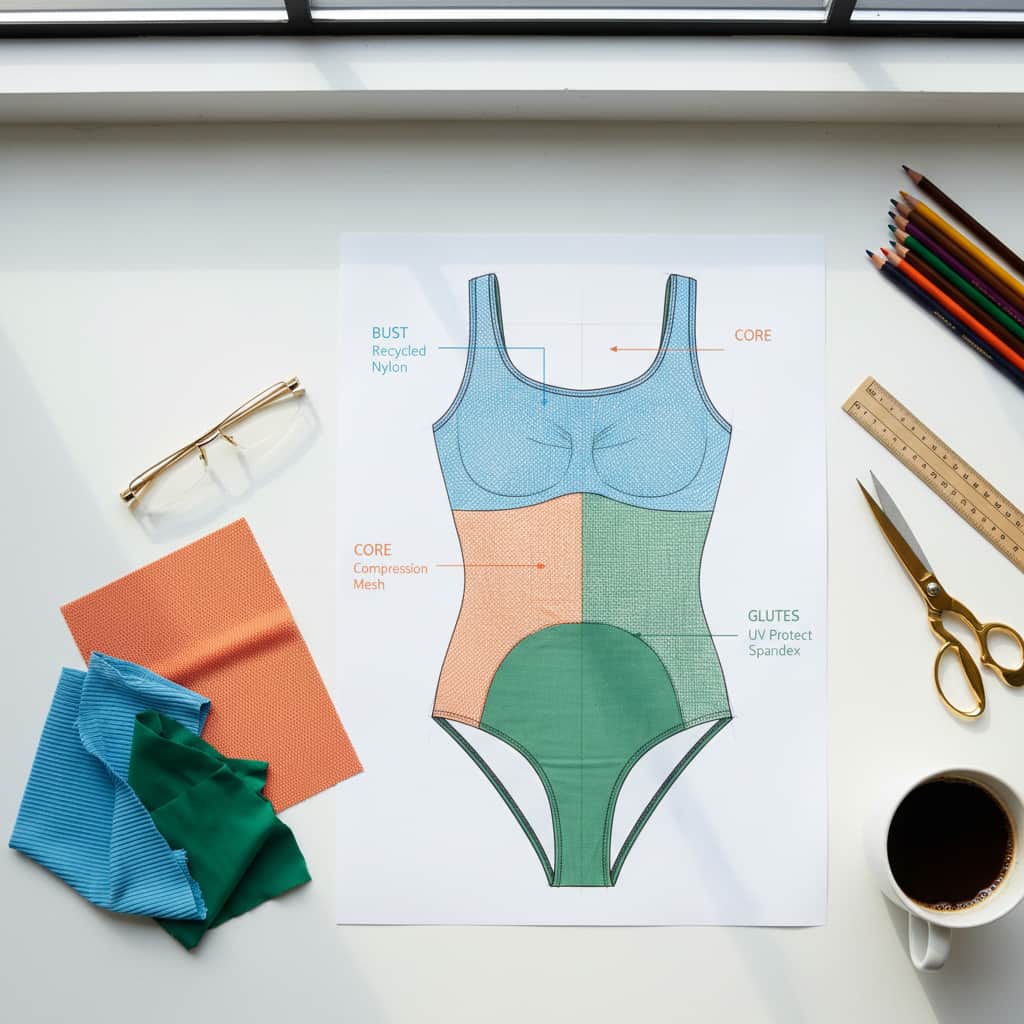
While premium brands like Lefties and Hunza G are already hinting at this sophisticated technique, there remains a glaring lack of educational content for indie designers on how to effectively plan, pattern, and source for body-mapped swimwear. This comprehensive guide explores the principles of body mapping, offering actionable insights for brands looking to elevate their swimwear collections.
The Science of Body Mapping: Why Zoning Matters
Body mapping is rooted in the understanding that the human body is dynamic, with different areas requiring varying levels of support, breathability, and stretch. In traditional swimwear manufacturing, a single fabric is often used for the entire garment, which can lead to compromises in fit and comfort. By zoning fabrics, designers can address the specific needs of each body part.
The Bust: Prioritizing Comfort and Support
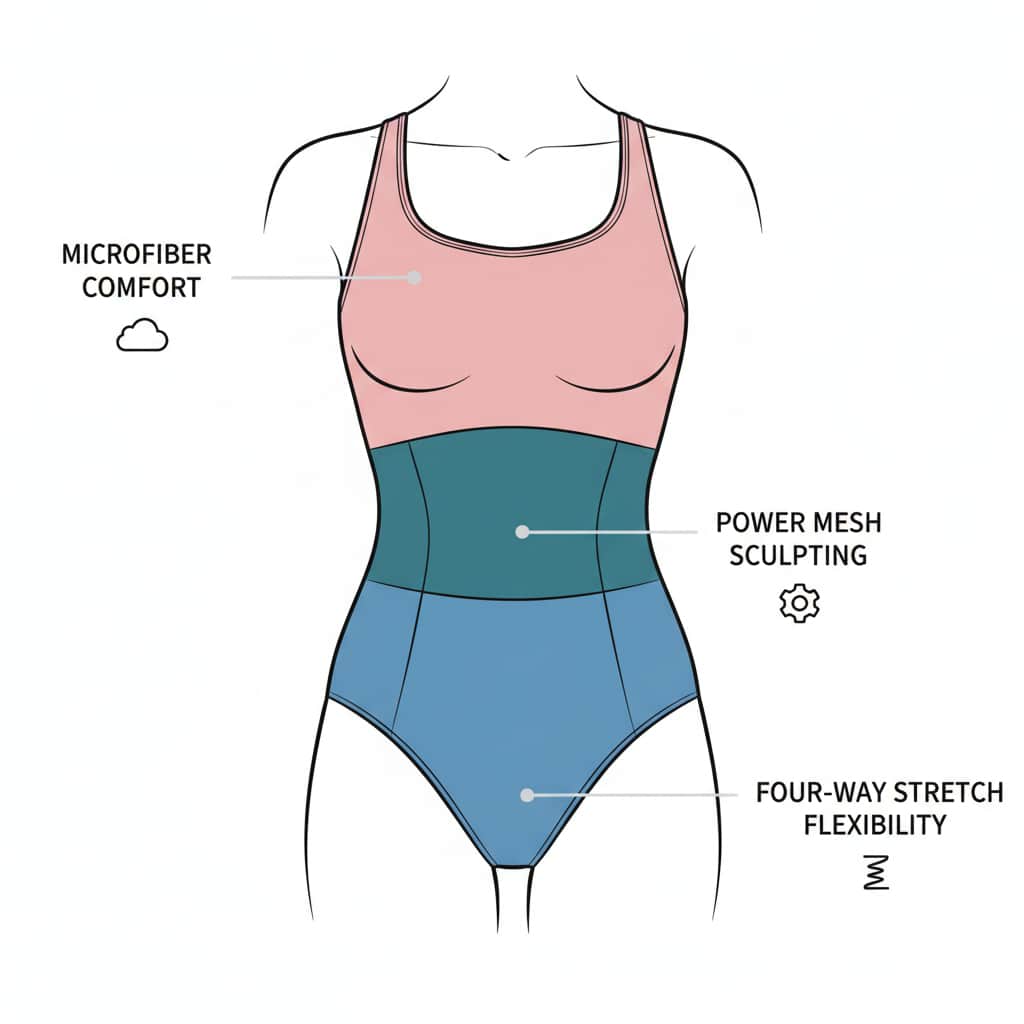
The bust area requires a delicate balance of support and softness. Using a soft microfiber for the cups ensures maximum comfort against sensitive skin, while maintaining the necessary structural integrity. This approach prevents chafing and provides a smooth, flattering contour.
The Core: Sculpting and Stability
The core, or tummy area, is where consumers often seek the most support. Incorporating compressive power mesh in this zone offers a sculpting effect, enhancing the natural silhouette without feeling restrictive. This targeted compression provides confidence and stability, which is a major selling point for premium swimwear.
The Glutes: Flexibility and Coverage
For the glutes, the fabric must offer excellent stretch and recovery to accommodate movement while maintaining shape. A four-way stretch material ensures that the swimwear stays in place, providing comfortable coverage whether the wearer is lounging by the pool or engaging in active water sports.
Strategic Fabric Selection for Body-Mapped Designs
Selecting the right materials is the cornerstone of successful body mapping. Indie designers must look beyond aesthetics and consider the functional properties of each fabric.
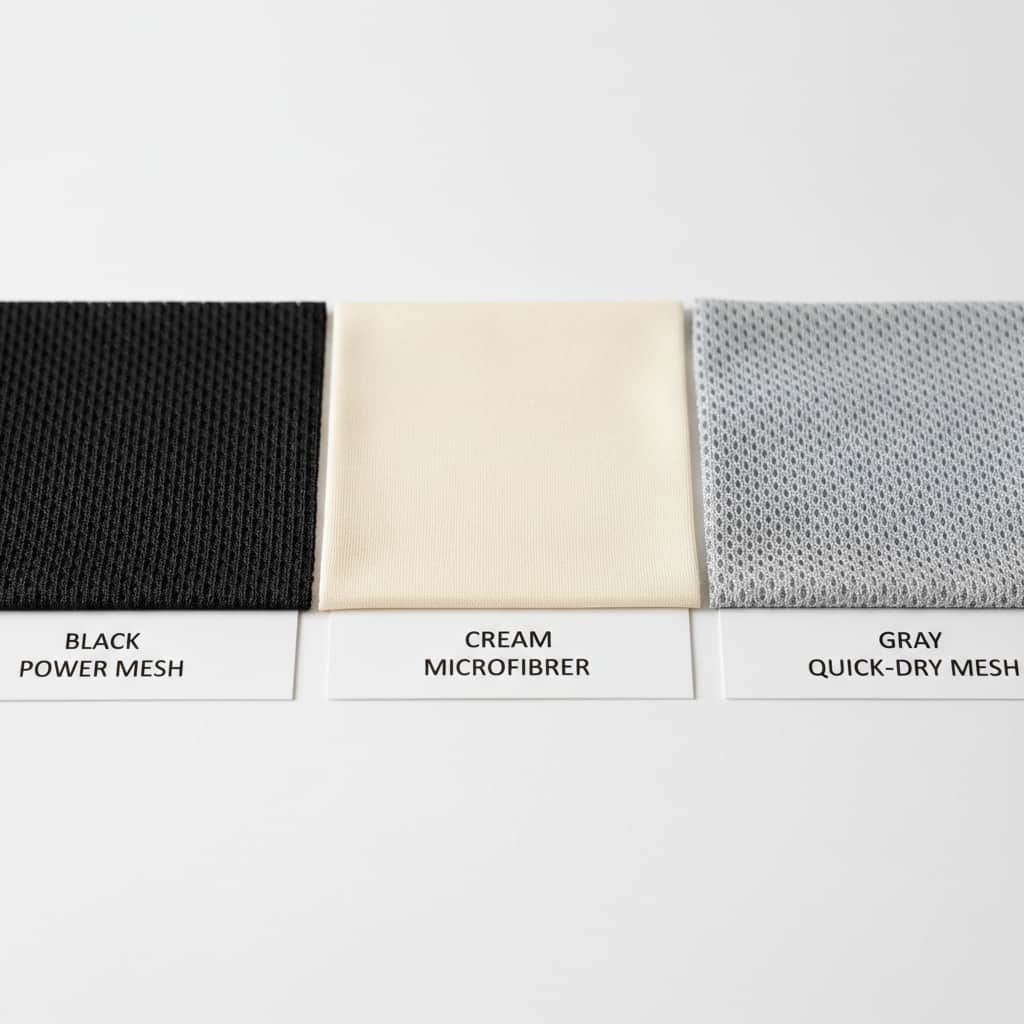
- Compressive Power Mesh: Ideal for the midsection, power mesh offers high modulus stretch, meaning it resists deformation and provides firm control. It is essential for creating that sought-after shaping effect.
- Soft Microfiber: Best suited for areas requiring gentle contact, such as the bust and inner linings. Microfiber is exceptionally smooth, quick-drying, and resistant to pilling.
- Quick-Dry Mesh: Often used for linings and gussets, quick-dry mesh enhances breathability and moisture management, ensuring the garment remains lightweight and comfortable even when wet.
Planning and Patterning for Body-Mapped Swimwear
Implementing body mapping requires a meticulous approach to pattern making. Unlike traditional designs, body-mapped swimwear involves multiple panels, each cut from different materials with varying stretch ratios.
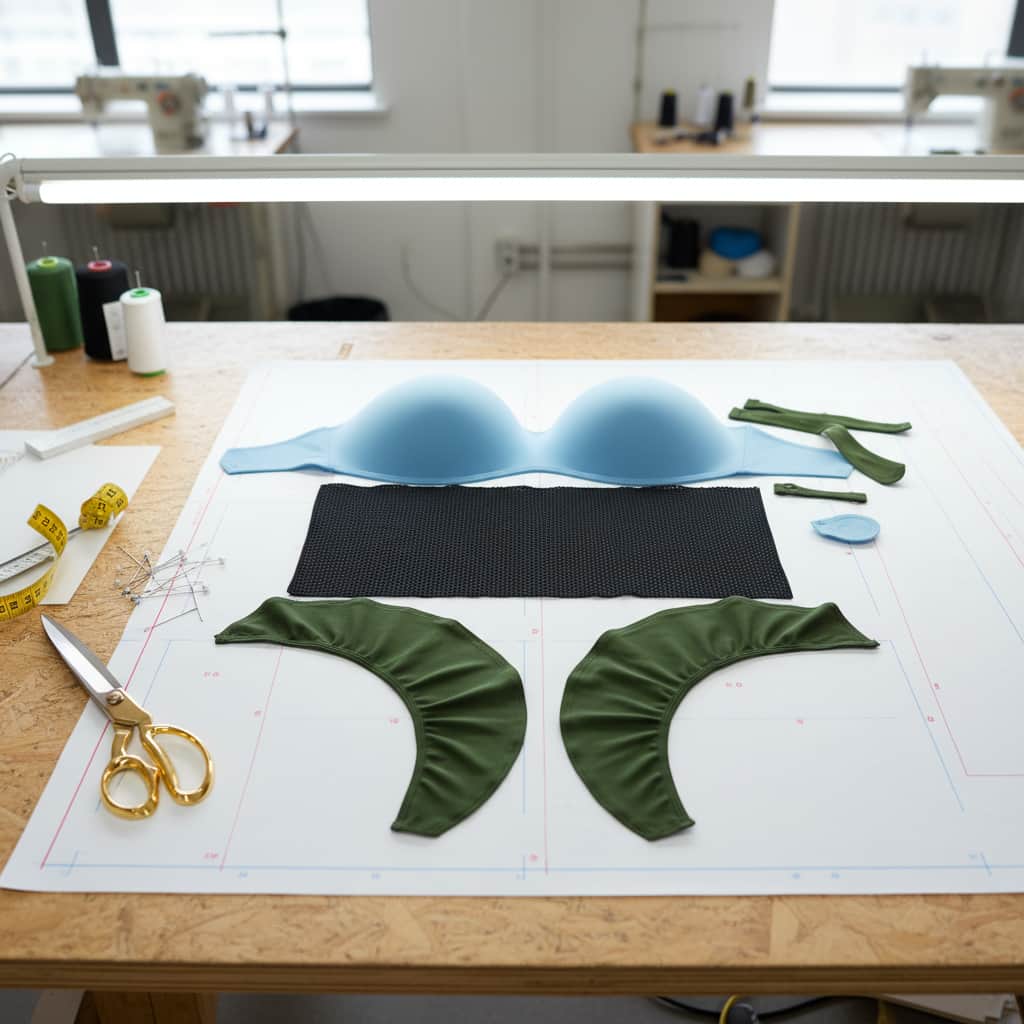
When planning a body-mapped piece, designers must account for the specific tension and elasticity of each fabric. For instance, if a highly compressive power mesh is sewn directly to a highly elastic microfiber, the seam may pucker or fail under stress. It is crucial to use advanced seaming techniques, such as flatlock stitching or bonded seams, to ensure durability and a seamless transition between zones.
Furthermore, prototyping is vital. Indie brands should work closely with experienced pattern makers to test how different fabrics interact on a 3D form before moving into full production.
Sourcing the Right Materials: A Challenge for Indie Brands
One of the biggest hurdles for emerging designers is sourcing high-quality, specialized fabrics in manageable quantities. Body mapping requires a diverse supply chain, as finding premium power mesh, luxury microfiber, and performance linings often means dealing with multiple suppliers.
For brands looking to scale, partnering with an experienced manufacturing partner can streamline this process. A reliable production partner not only provides access to a vast network of premium fabric mills but also offers the technical expertise required to execute complex, multi-fabric designs flawlessly.
Elevate Your Swimwear Brand with Expert Manufacturing
Are you ready to integrate body mapping into your next swimwear collection? Navigating the complexities of zoning fabrics, precision patterning, and specialized sourcing can be overwhelming for independent brands.
Our comprehensive B2B swimwear manufacturing services are designed to bring your innovative concepts to life. We specialize in high-end custom swimwear, offering end-to-end OEM/ODM solutions tailored to your brand's unique needs. From sourcing premium compressive meshes and luxury microfibers to executing advanced multi-panel constructions, our expert team ensures your products meet the highest standards of performance and fit.
Partner with us for your brand cooperation and manufacturing needs, and let us help you deliver unparalleled quality to your customers. Contact us today to discuss your custom swimwear project and discover how we can elevate your production capabilities.
Frequently Asked Questions (FAQs)
Q1: What exactly is body mapping in swimwear? Body mapping is an advanced design technique where different fabrics are strategically placed in specific zones of the swimwear (such as the bust, core, and glutes) to provide targeted support, compression, breathability, and comfort, rather than using a single fabric for the entire garment.
Q2: Why should indie designers consider using body-mapped designs? Body-mapped designs offer a superior fit and enhanced performance, which are highly valued by today's consumers. By adopting this technique, indie designers can differentiate their brand in a competitive market, offering premium, highly engineered products that rival established luxury labels.
Q3: Does zoning different fabrics complicate the manufacturing process? Yes, incorporating multiple fabrics with different stretch properties requires precise pattern making and advanced sewing techniques. It is highly recommended to work with a specialized OEM/ODM manufacturer who has the technical expertise to handle complex multi-panel constructions.
Q4: What are the best fabrics to use for tummy control in body-mapped swimwear? Compressive power mesh is the industry standard for tummy control. It provides a firm, sculpting hold while remaining breathable and lightweight, making it perfect for the core zone in body-mapped designs.
Q5: Can body mapping be applied to sustainable swimwear? Absolutely. Many specialized fabrics, including recycled power mesh and eco-friendly microfibers, are now available. Brands can fully implement body mapping principles while maintaining a commitment to sustainability by sourcing high-performance recycled materials.