A strong swimwear collection starts with an original point of view, but a design becomes a business only when it can be made consistently at the right quality, cost, and delivery date. For an independent designer, emerging label, or established fashion brand, choosing a swimwear manufacturer is therefore a product, sourcing, and brand-protection decision—not just a price comparison.
Swimwear is technically demanding. Every bikini, one-piece, rash guard, or resort capsule must balance fit, stretch recovery, lining, stitching, colorfastness, support, and comfort in and out of the water. The right factory translates creative direction into a repeatable commercial product while helping protect the details that make a collection distinctive.
This guide explains how to find a swimwear manufacturer for your designs, evaluate a potential OEM/ODM partner, and reduce risk before placing a bulk order.
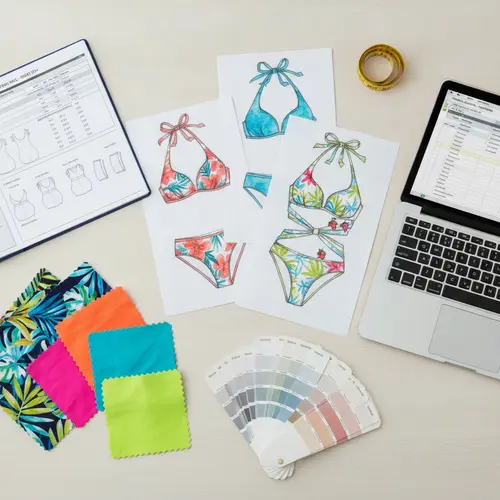
Why Designers Need a Swimwear Factory Partner
Most designers have a clear aesthetic but do not maintain in-house capabilities for pattern engineering, fabric sourcing, specialist sewing, quality control, and export production. A capable swimwear factory closes that gap in four ways:
Protecting design assets: Original prints, silhouettes, technical packs, and fit details are intellectual property. A professional partner should offer a defined confidentiality process and sign a designer NDA before receiving sensitive files.
Making scale possible: A hand-made sample may validate a concept, but controlled bulk production is needed to serve retailers, e-commerce orders, and repeat demand.
Providing technical support: Swimwear requires knowledge of nylon-spandex, polyester-spandex, recycled fabrics, lining, elastic, cups, hardware, stitch selection, and grading. Factories help solve fit and durability issues before they reach customers.
Coordinating the supply chain: Fabric, digital printing, labels, packaging, inspection, and shipment must all align. One dependable production partner can simplify that work.
In practice, designers are usually looking for four things: unique product execution, technical development support, flexible MOQ, and strict confidentiality. The lowest quotation has little value if the supplier cannot reproduce the approved fit, safeguard artwork, or deliver on schedule.

A 5-Step Method for Choosing a Swimwear Manufacturer
1. Define the Requirement Before You Source
Create a concise production brief before contacting factories. Include your estimated quantity by style, color, and size; product category; target retail price and landed cost; intended market; required delivery date; and branding needs such as labels, hangtags, and packaging.
Add a tech pack, measurement chart, sketch, reference photo, or print artwork if available. You should also identify your preferred fabric, sustainable-material requirements, and target sample date. The clearer the brief, the more useful the quotation and factory feedback will be.
Be honest about volume. A new label may need 30–50 pieces per style, while a mature brand may need larger color and size runs. Starting with the correct quantity helps you find a partner suited to your current stage instead of a factory designed only for high-volume accounts.
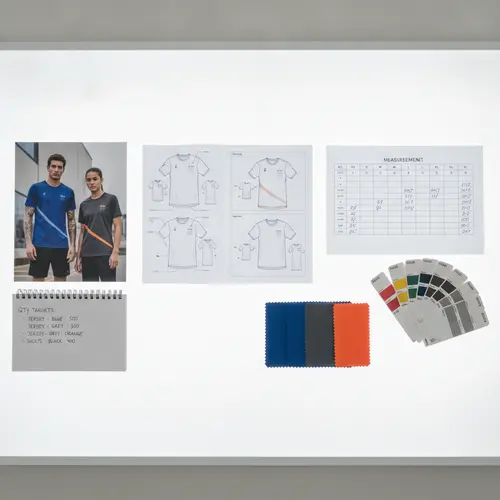
2. Search Through Three Reliable Channels
Build a shortlist of five to eight candidates from three sources:
Online B2B sourcing platforms can reveal product categories, export markets, and manufacturing claims. When development control matters, distinguish a true manufacturer from a trading company.
Industry trade shows let you inspect fabrics, finishing, and product construction, then discuss development face to face.
Trusted referrals from designers, buyers, fabric suppliers, or sourcing professionals can provide useful context on responsiveness and production consistency.
Do not select a supplier from catalog photography alone. Look for clear evidence that it already understands the type of swimwear you plan to make.
3. Assess Capability Against Consistent Criteria
Ask every shortlisted factory the same questions. Evaluate MOQ flexibility, sampling timing, certifications, price transparency, production lead time, communication quality, and design confidentiality. Then add swimwear-specific questions: Can the factory handle the construction, support level, print placement, fit range, and fabric performance your collection requires?
Not every partner needs to make every possible product. A better choice is a factory that is demonstrably strong in your required techniques and transparent about limitations.
4. Test Communication Before You Order
Send a clear brief and observe the reply. A capable factory does not simply say yes to every request. It asks about stretch direction, lining coverage, print scale, size range, target use, fabric composition, and delivery expectations. It may point out a cost, fit, or production risk before sampling.
Assess response speed, accuracy, technical understanding, willingness to ask questions, and ability to document decisions. Fast communication is helpful; thoughtful communication that prevents an expensive error is more valuable.
5. Validate With a Small Trial Order
An attractive sample does not prove that bulk production will be consistent. After sample approval, place a controlled small order when possible. This tests cutting, sewing, grading, print quality, inspection, packing, delivery, and the factory’s response to a problem.
A low-MOQ trial protects cash flow while giving you real evidence of the factory’s operating standard. Use the result to improve the next production run or decide whether to scale with that supplier.
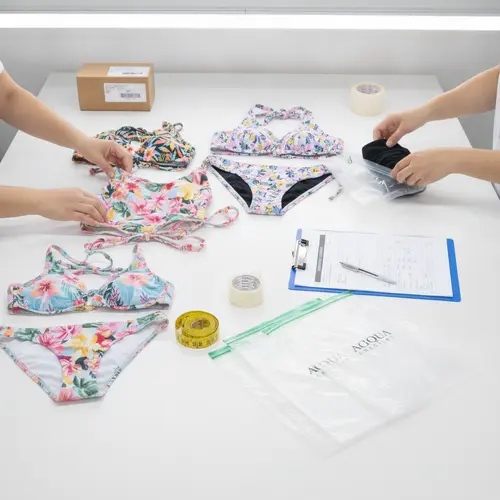
The 7-Dimension Swimwear Manufacturer Scorecard
Score each supplier from 1 to 5 and discuss every weak point before issuing an order.
Evaluation Dimension | What to Check | Why It Matters | Score (1–5) |
|---|---|---|---|
MOQ flexibility | Minimum by style, color, fabric, and size | Enables demand testing and protects cash flow | |
Sampling timeline | First sample, revisions, and print strike-off timing | Keeps development on schedule | |
Certifications | OEKO-TEX, BSCI, and material documentation where needed | Supports buyer, safety, and compliance needs | |
Price transparency | Fabric, trims, print, labor, labels, packing, and fees | Prevents margin surprises | |
Production lead time | Material readiness, capacity, and schedule visibility | Reduces launch delays and stock-outs | |
Communication | Technical accuracy, response quality, documentation | Limits cross-border misunderstandings | |
Design confidentiality | NDA, file access, artwork handling, ownership terms | Protects your collection and brand assets |
MOQ Flexibility
Ask whether MOQ applies per style, color, fabric, or order total. A low headline MOQ can become impractical if every colorway requires a separate large minimum. Flexible quantities are especially useful for first launches, limited drops, replenishment orders, and custom-print capsules.
Sampling Timeline
Confirm the timeline for a first prototype, fit revision, pre-production sample, and print strike-off. Sampling speed depends on pattern complexity, material availability, and the number of feedback rounds. Ask how fit comments are recorded and whether the development team will also guide bulk production.
Certifications and Material Compliance
Depending on your market, request relevant and current documents. OEKO-TEX may support textile-safety requirements, while BSCI can be relevant to social-compliance expectations. If you plan to market recycled swimwear, confirm that documentation applies to the specific fabric proposed for your order. Certificates support a process; they do not replace inspection of your actual product.
Price Transparency
A professional quote explains what is included: outer fabric, lining, elastic, cups, hardware, print method, labels, packaging, development charges, and sampling fees. It should also identify variables that can alter cost, such as a heavier fabric, more colors, molded cups, or specialty trims. Transparent pricing is essential for calculating margin and making confident design decisions.
Production Lead Time
Bulk timing starts before sewing. Fabric must be available, colors or prints may need approval, trims must arrive, and capacity must be reserved. Ask for a realistic production window and the factors that could move it. A reliable factory may not offer the shortest promise, but it will plan honestly and flag risks early.
Communication and Response Quality
Swimwear development contains many small but consequential details. Good factory teams use measurement charts, photos, annotated feedback, approvals, and clear order confirmations. Your contact should understand both the design intent and the production consequence of a requested change. This is particularly important across time zones.
Design Confidentiality and NDA Process
Before sharing final artwork, patterns, launch plans, or proprietary construction details, clarify the factory’s NDA process. Ask how files are stored, who can access them, how samples are handled, and how design ownership is recognized. The agreement should be specific enough to protect the work you are actually sharing.
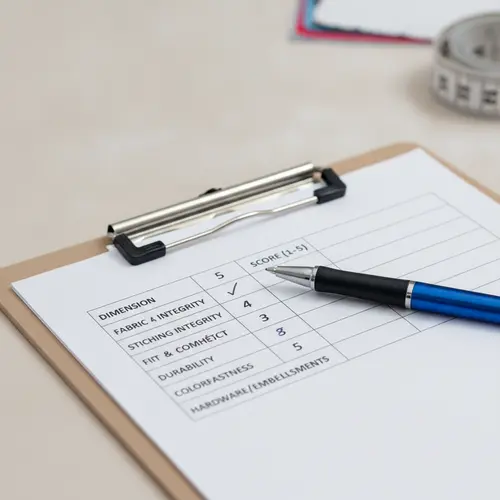
Four China Factory Reference Types to Compare
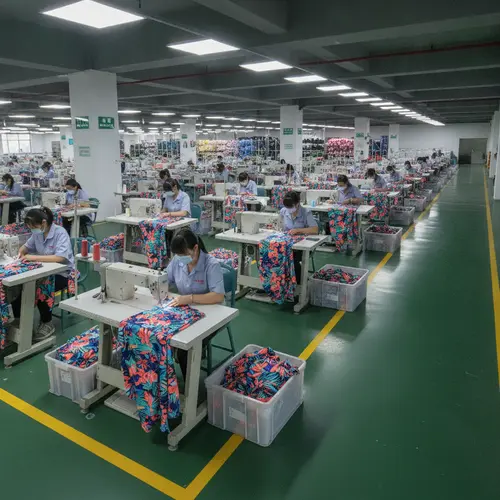
China remains an important sourcing base for custom swimwear because of its specialist sewing capacity, fabric networks, printing technology, and export experience. Rather than treating all factories alike, compare them by operating model.
Factory Reference Type | Best Fit | Typical Strength | Essential Question |
|---|---|---|---|
High-volume export manufacturer | Established brands with repeat orders | Scale and mature production systems | Can smaller development orders receive adequate attention? |
Digital-print specialist | Print-led collections and limited capsules | Fast custom artwork sampling | How are color and placement accuracy controlled on stretch fabric? |
Boutique low-MOQ factory | New labels and test launches | Flexible quantities and hands-on support | What is the practical MOQ by fabric and color? |
Full-service OEM/ODM partner | Brands needing end-to-end support | Development, sourcing, production, and branding | Which services are in-house and which are outsourced? |
Large does not automatically mean better, and small does not automatically mean more flexible. Choose the model that fits your collection complexity, volume, quality expectations, and need for design support.
Five Common Mistakes to Avoid
1. Choosing Only by Price
A cheap quote can conceal weak fabric recovery, poor fit, inconsistent stitching, insufficient inspection, or late delivery. Compare total value: development support, material quality, quality control, communication, packaging, and reliability.
2. Sending Original Designs Without an NDA
Treat custom prints, technical packs, and launch data as business assets. Establish confidentiality terms before sharing final files. An NDA is not a substitute for supplier due diligence, but it creates documented expectations for professional handling.
3. Failing to Check Fabric Availability
Sewing capacity is not enough. Ask whether the correct fabric, lining, elastic, cups, and hardware are in stock, custom-ordered, or subject to minimums. Material readiness directly affects cost, timing, color options, and replenishment potential.
4. Skipping the Trial Order
A pre-production sample is necessary but does not fully test bulk consistency. A small order exposes real performance across production, inspection, packing, and shipment. It is one of the most effective ways to reduce risk before a larger seasonal commitment.
5. Underestimating Time-Zone Communication
Unclear decisions can cost days. Use annotated images, dated approvals, structured comment sheets, and a shared decision calendar. Select a factory that maintains reliable response windows and records changes precisely.
Factory Perspective: What Manufacturers Look for in Designers
The best factory relationships are reciprocal. Manufacturers value clients who provide organized briefs, answer sample questions promptly, make approvals on time, and communicate commercial priorities honestly. A factory can recommend better solutions when it knows whether your priority is premium fit, sustainability, low entry quantity, speed, or a strict cost target.
Designers also benefit from treating the factory as a technical partner rather than only a price vendor. Inspiration must eventually become production decisions: lining coverage, elastic width, seam placement, support, print scale, tolerance, and grading. Clear collaboration produces better samples and smoother bulk production.
TideLine: Three Advantages for Designer-Focused Swimwear Production
TideLine is designed to support brands from early development through scalable production:
Low-MOQ orders from 30–50 pieces for test collections, limited drops, new colorways, and early-stage labels.
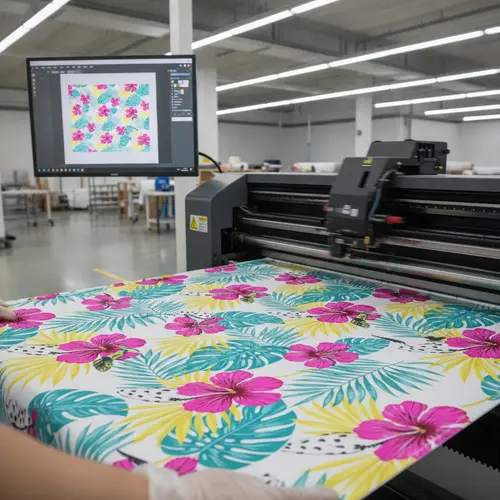
Digital-print sampling in 1–3 days to accelerate feedback on custom artwork, color, scale, and print placement.
A designer NDA workflow that provides a defined process for sharing original files and discussing development with greater confidence.
These advantages work best when paired with a complete brief, timely feedback, and a realistic production calendar. The objective is not simply to make a sample, but to create a dependable route from approved design to repeatable bulk quality.
Partner With a Swimwear Manufacturer That Supports Your Brand
The right swimwear manufacturer protects your original ideas, strengthens your technical execution, and gives you a practical path from concept to market. Define your needs clearly, compare factories against the same scorecard, test communication early, and verify the relationship with a trial order before scaling.
TideLine supports B2B clients with custom swimwear manufacturing, private-label production, OEM/ODM services, and brand collaboration support. For a free sampling consultation, share your sketches, tech pack, reference styles, quantity target, and material requirements. From low-MOQ validation orders to scalable branded collections, TideLine can help turn your swimwear design into a market-ready product.
Frequently Asked Questions
What is a good MOQ for a new swimwear brand?
A practical MOQ depends on style complexity, fabric, colors, and customization. For a new brand, 30–50 pieces can be a useful range for testing demand when the factory can support the selected material and construction.
How long does swimwear sampling usually take?
Timing depends on pattern complexity, fabric availability, custom printing, and revision rounds. Confirm separate timelines for first samples, fit revisions, print strike-offs, and pre-production approval before development begins.
Should I ask a swimwear factory to sign an NDA?
Yes. Request a clear confidentiality agreement before sharing original artwork, tech packs, patterns, or launch information. It should describe file handling and confirm that your proprietary design assets remain yours.
What certifications should a swimwear manufacturer have?
The answer depends on your market and buyers. Discuss OEKO-TEX for textile-safety considerations, BSCI for social-compliance expectations, and appropriate documentation for any recycled fabric claims you intend to make.
What should I check in a swimwear trial order?
Review fit across sizes, fabric recovery, stitching, print alignment, color accuracy, trims, measurements, labels, packing, inspection records, and delivery timing. Resolve documented issues before committing to a larger order.