Choosing a custom swimwear manufacturer is about more than finding a factory that can sew a swimsuit. The right partner should understand how stretch fabrics, fit, construction, branding, and production requirements work together to create a collection your customers want to wear.
For emerging labels, established fashion brands, retailers, and resort businesses, the decision also affects development costs, delivery schedules, and future reorders. This guide explains how to compare swimwear manufacturers, choose between OEM and ODM services, and prepare your collection for production.
What Does a Custom Swimwear Manufacturer Do?
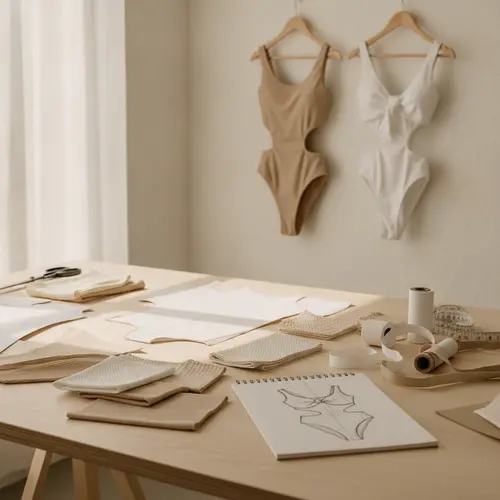
A custom swimwear manufacturer develops or produces swimwear to a brand’s specifications. Depending on the partnership, its work may include pattern development, fabric sourcing, sampling, garment production, and the application of labels or packaging.
The level of customization can vary considerably. One brand may need a manufacturer to produce an original bikini from a detailed technical package. Another may want to adapt an existing one-piece design with new colors, prints, and branding. A retailer may be looking for a coordinated collection for a specific season or customer group.
Before comparing suppliers, define what you need the manufacturer to do and which decisions your team will manage internally. This makes it easier to compare proposals on a like-for-like basis.
OEM vs. ODM Swimwear: Which Model Is Right for Your Brand?
OEM and ODM are common terms in swimwear manufacturing, but their practical meaning can differ between suppliers. Discuss the exact scope before you commit to either model.
OEM Swimwear Manufacturing
OEM, or original equipment manufacturing, generally means the brand provides the design direction and specifications, while the manufacturer produces the garments. The starting point may be a complete tech pack, an existing pattern, or a concept that still needs technical development.
OEM can suit brands that want greater control over silhouettes, measurements, materials, and construction. It is often useful when a distinctive fit or product feature is central to the brand’s identity.
More control can also mean more development work. New patterns, custom components, and additional sample revisions may affect the budget and schedule. Design ownership and exclusivity should be agreed in writing; they are not automatically guaranteed by the term OEM.
ODM Swimwear Manufacturing
ODM, or original design manufacturing, generally involves using the manufacturer’s design or development capabilities as a starting point. A brand might select an existing style and request changes to the fabric, print, color, trim, or branding. Some ODM projects involve more collaborative development, so the options should be confirmed with the supplier.
ODM can be useful for buyers who want design support or a starting point that needs less development. However, the amount of customization and the right to sell a design exclusively depend on the agreement. Ask whether other clients can use the same base style or pattern.
How Private Label Swimwear Fits In
Private label swimwear usually involves selling products under your own brand name. This may mean adding your labels and packaging to an existing style, although customization options vary. Private label can overlap with OEM or ODM, so it is best to describe the actual product and services you need rather than relying on the label alone.
How to Evaluate a Swimwear Manufacturer
1. Look for Swimwear-Specific Fit and Construction Experience
Swimwear requires a different approach from many other apparel categories. Stretch, elastic tension, lining, and coverage all affect how a garment fits and moves. A swimsuit can look right on a hanger but feel uncomfortable or shift when worn.
Ask potential partners how they develop patterns for stretch fabrics and grade styles across sizes. Discuss the features that matter to your customer, such as bust support, strap adjustment, torso length, or back coverage. For swim shorts, consider the fit of the waistband, lining, and leg opening.
Request relevant samples or examples of similar construction. A manufacturer should be able to explain how it would approach your product, not just show attractive photos of finished garments.
2. Review Fabric, Lining, and Trim Options
Many swimwear fabrics blend nylon or polyester with elastane, but the fiber name alone does not determine how a garment will perform. Compare fabric stretch and recovery, weight, hand feel, and appearance on the body. Consider the conditions the collection is designed for, such as pool use, beach holidays, or active water sports.
Lining matters too. If the lining and outer fabric stretch differently, the finished swimsuit may feel tighter or move differently than expected. Light colors and certain prints should also be checked for opacity when wet.
Discuss elastic, cups, closures, sliders, and other trims early. These details affect both comfort and appearance, and a change in materials after sampling can change the fit. For printed styles, review color, placement, and how the design looks when the fabric stretches.
If you plan to make claims about recycled content, chlorine resistance, or sun protection, ask what documentation or testing can support the specific claim. Avoid assuming that a fabric description alone proves a finished garment meets a particular standard.
3. Understand Minimum Order Quantities
A minimum order quantity, or MOQ, is the smallest quantity a supplier will accept under an agreed set of conditions. It is not always a single number for the whole collection.
Ask whether the minimum applies per style, color, print, size, or production run. For two-piece swimwear, clarify whether quantities are counted as individual pieces or complete sets. Fabric mills, custom-dyed colors, printed materials, labels, and hardware may each have separate minimums.
For example, a brand planning three colors of one bikini may find that its total order meets the garment minimum but not the minimum for each custom fabric color. Stock fabrics or fewer color options may be worth discussing if the first order is small.
4. Compare Sampling Processes and Costs
Sampling turns a design brief into a garment that can be evaluated. Ask what each sample stage covers, which materials will be used, how feedback should be submitted, and whether revisions are included in the quoted price.
A typical development process may include an initial prototype, fit revisions, and a pre-production sample made with the intended materials and construction. A size set can help check how the approved fit translates across the planned size range. The exact stages should match the complexity of the product.
Review samples on a suitable fit model where possible. Check coverage during movement, strap and elastic tension, seam comfort, symmetry, and wet opacity. Record changes with measurements and photos so the next version can be assessed against clear instructions.
5. Ask How Quality Will Be Controlled
A good sample is important, but bulk production also needs a documented quality plan. Ask how the supplier checks incoming materials, monitors sewing, and inspects finished garments. Agree on which measurements, tolerances, workmanship details, and packaging requirements will be checked.
For swimwear, potential issues include uneven elastic, twisting straps, inconsistent measurements, print misalignment, and visible defects in fabric or stitching. Decide how defects will be classified, whether an independent inspection is needed, and what happens if the order does not meet the agreed requirements.
Keep an approved pre-production sample and final specifications as the reference for the production run. If a material or construction detail must change, review and approve the change before it is used in bulk.
6. Clarify Communication, Capacity, and Reorders
A supplier’s ability to respond clearly is especially important during development, when design changes can affect cost and timing. Establish who will manage the project, how approvals will be recorded, and how production updates will be shared.
Ask whether the manufacturer can support your expected order volume and what happens if demand grows. For reorders, confirm whether the same fabric, colors, trims, patterns, and production specifications can be sourced again. Availability may change, so discuss possible substitutions before they become urgent.
What to Include in a Swimwear Tech Pack
A tech pack is the document that translates your design into instructions a manufacturer can use. It does not need to be perfect before the first conversation, but a clearer brief usually makes sampling and quoting more productive.
Include the following where available:
- Technical sketches showing the front, back, and important construction details.
- A measurement chart, size range, fit requirements, and acceptable tolerances.
- Fabric and lining preferences, including color or print direction.
- Details of elastic, cups, closures, hardware, labels, and packaging.
- Artwork placement and files for logos or prints.
- Expected order quantities, target delivery date, and destination market.
If you do not have a finished tech pack, start with sketches, reference images, a description of the intended customer, and the details you already know. Ask the manufacturer what additional information or development support is needed. Reference products can communicate a fit or finish, but your own specifications should define the final design.
How Much Does Custom Swimwear Manufacturing Cost?
There is no single price for custom swimwear. Costs depend on the style, materials, order quantity, level of customization, and services included. A simple bikini made with available materials may have a different cost structure from an underwired swimsuit with custom hardware and a complex print.
When comparing quotes, separate one-time development expenses from the bulk garment price. Pattern making, samples, revisions, custom artwork preparation, labels, and packaging may be quoted separately. Also check payment terms and whether the quote includes freight, insurance, duties, or other destination costs.
The lowest unit price is not always the lowest total cost. A quote that excludes sampling, inspection, or necessary trims can be difficult to compare with a more complete proposal. Ask each supplier to identify what is included, what is excluded, and which costs may change after the final sample is approved.
Plan Your Timeline From Development to Delivery
A swimwear production schedule should account for more than sewing time. Fabric selection, sample revisions, material availability, bulk production, inspection, and shipping can all affect the launch date. Custom prints, specialized trims, and peak production periods may add further constraints.
Work backward from your required delivery date and agree on milestones for the brief, samples, approvals, material orders, production, and dispatch. Confirm when the bulk production clock begins: some suppliers may start counting only after the sample, materials, order details, and payment have been approved.
Build in room for fit revisions and shipping uncertainty rather than treating the first sample as the final product. This is especially important for a seasonal collection with a fixed retail launch.
Protect Your Brand and Confirm Product Requirements
Before sharing sensitive artwork or detailed product plans, discuss confidentiality with the supplier. Your agreement should also address ownership and permitted use of artwork, patterns, samples, and other development materials. If exclusivity matters, define its scope and duration in writing rather than assuming it is included.
Product labeling and safety requirements depend on the destination market and the product itself. Ask who is responsible for confirming the applicable rules and providing accurate label information. Children’s swimwear and specific performance claims may require additional attention. Verify requirements for your own markets before production rather than relying on a generic label template.
Start Your Custom Swimwear Project
Whether you are launching a new label, expanding a retail assortment, or developing a collection for a brand collaboration, the right production plan starts with a clear brief. Contact our team to discuss custom swimwear, OEM and ODM manufacturing, or brand partnership opportunities. Share your product concept, target market, estimated quantities, and preferred timeline so we can discuss the options that fit your project.
Frequently Asked Questions
What is the difference between OEM and ODM swimwear manufacturing?
OEM generally starts with a brand’s own design and specifications, while ODM usually draws on the manufacturer’s design or development capabilities. The exact services, customization options, and ownership rights depend on the agreement.
Can I start a swimwear brand without a complete tech pack?
Yes. You can begin a conversation with sketches, reference images, and a clear description of your customer and product. A manufacturer may be able to help develop the technical details, but confirm the scope and cost of that support before sampling.
What is the minimum order quantity for custom swimwear?
Minimums vary by supplier and project. Ask whether they apply per style, color, size, or set, and check for separate fabric, print, and trim minimums. Using available materials may offer different options from ordering fully customized components.
How long does it take to produce a custom swimwear collection?
The timeline depends on design complexity, sample revisions, material availability, production capacity, and shipping. Ask for a schedule that covers development through delivery, including the approvals required before bulk production begins.
How can I check the quality of a swimwear sample?
Evaluate the sample against your specifications and test the fit during movement. Check coverage, elastic tension, stitching, print placement, and opacity when wet. Record feedback clearly, then compare the revised sample with the intended production materials and construction.