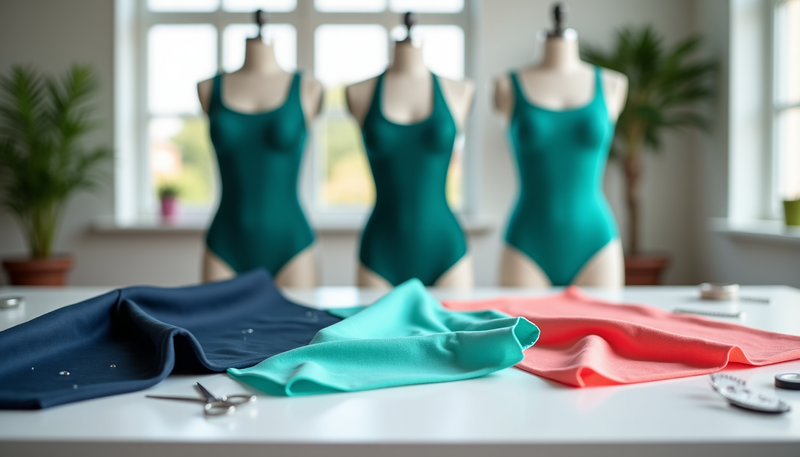
When choosing swimwear, have you ever found yourself torn between comfort and durability? Do you prioritize a soft, second-skin feel, or do you want a chlorine resistant fabric that can withstand the harsh realities of the pool, accompanying you through countless swim seasons?
If you are wondering, "what are the best materials for comfortable and durable swimwear?", the answer lies in understanding the core differences between the major fabric types. This article will delve into the unique characteristics of these star fabrics—specifically comparing Polyester vs Nylon for swimming—and help you pinpoint the perfect swimwear fabric for your needs.
Quick Answer: The Best Swimsuit Material for Chlorine
If you need a quick recommendation based on your swimming habits, here is the breakdown:
•Best for Chlorine Resistance & Durability: PBT (Polybutylene Terephthalate) or High-Polyester Blends. These are the undisputed kings of the pool. They resist degradation from pool chemicals far better than any other material.
•Best for Ultimate Comfort & Beach Vacations: Nylon-Spandex Blends. Unbeatable softness and elasticity, but they will degrade quickly if used daily in a chlorinated pool.
•Best Balance of Both: Lycra Xtra Life Blends. A specialized spandex that offers 5-10 times the chlorine resistance of standard spandex, providing a great middle ground between comfort and durability.
Polyester vs Nylon for Swimming: The Great Debate
The most common dilemma for swimwear buyers is choosing between Polyester and Nylon. Let's break down the pros and cons of each.
Polyester: The King of Durability and Chlorine Resistance
Polyester, particularly when blended with a small amount of spandex or in its advanced form as PBT, is the go-to chlorine resistant fabric. For those who consider the pool their second home, or engage in professional water sports, Polyester/PBT is key to extending the life of their swimwear.
Pros:
•Unrivaled Chlorine Resistance: Polyester's molecular structure gives it an extremely strong resistance to chlorinated water. This means the swimsuit is less prone to fiber degradation, loss of elasticity, or color fading after frequent exposure to pool water.
•Excellent Shape Retention: Even after countless stretches, soaks, and washes, it maintains its original shape and firmness, resisting sagging and deformation.
•High Durability: Polyester fibers are strong and wear-resistant, with good tensile and shrinkage resistance.
•UV Resistance & Quick-Drying: It offers good UV protection and has very low water absorption, allowing the swimsuit to dry quickly.
Cons:
•Slightly Less Soft: Polyester fabric typically feels less soft than nylon, and may feel slightly rougher against the skin.
•Less Elasticity: While it has some stretch, its recovery is slightly inferior compared to high-nylon blends, which might feel a bit restrictive during extreme movements.
Nylon (Nylon-Spandex Blend): The King of Comfort
Nylon-Spandex blend fabric is the top choice for swimwear that prioritizes ultimate comfort, thanks to its unparalleled soft touch and excellent elasticity. It perfectly combines the silky feel of nylon with the stretch of spandex (Lycra/Elastane), providing wearers with a second-skin fit.
Pros:
•Ultimate Softness and Skin-Friendliness: Nylon fibers give the fabric a silky smooth texture, making it feel almost unrestrictive when worn.
•Excellent Elasticity and Shaping: A higher spandex content ensures the swimsuit perfectly conforms to the body's curves, providing good support without restricting movement.
•Luster and Fashion Appeal: Nylon fabric often has a natural sheen, making the swimsuit look more fashionable and premium.
Cons:
•Poor Chlorine Resistance: This is its biggest disadvantage. Ordinary nylon and spandex have relatively weak resistance to chlorine. Frequent exposure to chlorinated water will lead to fiber damage, loss of elasticity (sagging), and color fading.
•Prone to Snagging: Nylon fabric is relatively soft and can easily snag or abrade on rough pool edges or rocks.
Swimwear Fabric Overview: Comfort vs. Durability Comparison
To help you choose more intuitively, the table below summarizes the performance of mainstream swimwear fabrics:
Fabric Type | Comfort | Durability | Chlorine Resistance | Elasticity | Quick-Drying | Best Use Case |
|---|---|---|---|---|---|---|
PBT (Advanced Polyester) | Good | Excellent | Excellent | Good | Excellent | Pro Training, Daily Pool Use |
Polyester-Spandex Blend | Good | Good | Excellent | Good | Excellent | Frequent Pool Use, Water Sports |
Nylon-Spandex Blend | Excellent | Average | Poor | Excellent | Good | Beach Vacations, Casual Swimming |
Lycra Xtra Life Blend | Excellent | Excellent | Good | Excellent | Good | Balanced Comfort & Durability |
Special Focus: What Are the Best Men's Swimsuits with Chlorine Resistance?
When men ask about the best swimsuits with chlorine resistance, they are usually looking for either Jammers/Briefs (for lap swimming) or Board Shorts/Trunks (for casual pool use).
•For Lap Swimming (Jammers/Briefs): The absolute best choice is a 100% Polyester or PBT blend. These suits will withstand daily lap swimming in heavily chlorinated water for months or even years without sagging or fading. Brands often label these as "Endurance" or "Training" suits.
•For Casual Pool Use (Trunks/Board Shorts): Look for trunks made from a Polyester-Spandex blend. The polyester provides the necessary chlorine resistance to prevent the colors from bleaching out, while a small percentage of spandex (usually 5-10%) provides the 4-way stretch needed for comfort and active water games. Avoid 100% nylon trunks if you plan to spend most of your time in chlorinated pools.
Lycra Xtra Life: The Ultimate Compromise
If you are still asking, "what are the best materials for comfortable AND durable swimwear?", you should look for swimwear featuring Lycra Xtra Life.
Lycra Xtra Life is a brand of special spandex fiber developed by DuPont. It is typically blended with nylon or polyester to significantly enhance the chlorine resistance and shape retention of swimwear. Its chlorine resistance is 5-10 times higher than ordinary spandex, greatly extending the lifespan of swimwear in chlorinated water environments while maintaining the incredible comfort and stretch of traditional Lycra.
Summary and Selection Advice
Choosing the most suitable swimwear fabric ultimately depends on your individual needs and habits:
1.For the Pool: If you are a professional athlete or frequent pool user seeking the best swimsuit material for chlorine, Polyester or PBT is undoubtedly your best choice.
2.For the Beach: If you prioritize wearing comfort, a soft feel, and fashion aesthetics for casual beach vacations, a Nylon-Spandex blend will provide an unparalleled experience.
3.For Both: If you want the best of both worlds—comfort and durability—look for suits made with Lycra Xtra Life or a high-quality Polyester-Spandex blend.
Regardless of the fabric you choose, proper care can significantly extend the life of your swimsuit: rinse immediately with cold water after each use, hand wash gently, and air dry naturally, avoiding direct sunlight and rough surfaces.