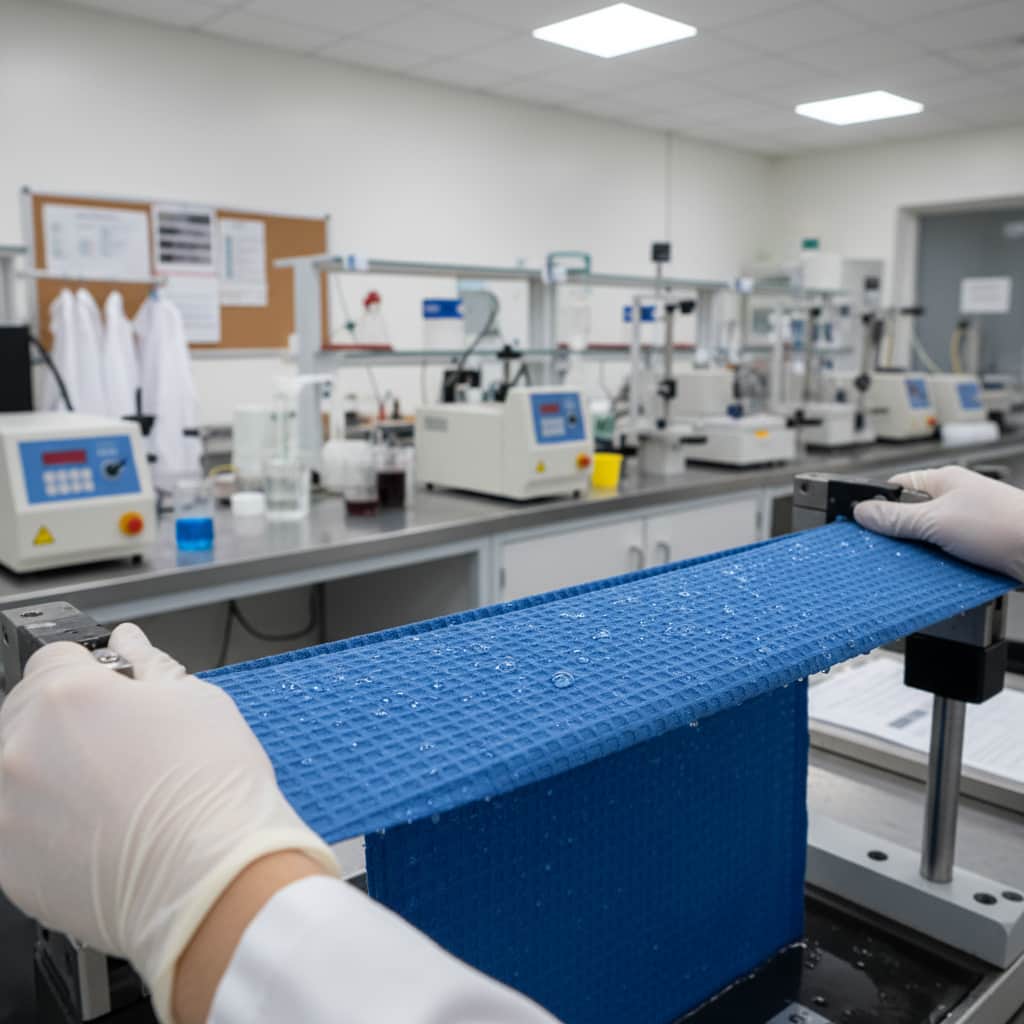
For decades, flat, smooth, and ultra-sleek fabrics have dominated the swimwear industry. However, a significant shift is sweeping across the fashion landscape. Textured surfaces are making a powerful statement, moving from high-fashion runways to mainstream beachwear. Luxury houses like Miu Miu and Jacquemus have championed this tactile revolution, proving that swimwear can offer both structural interest and elevated aesthetics.
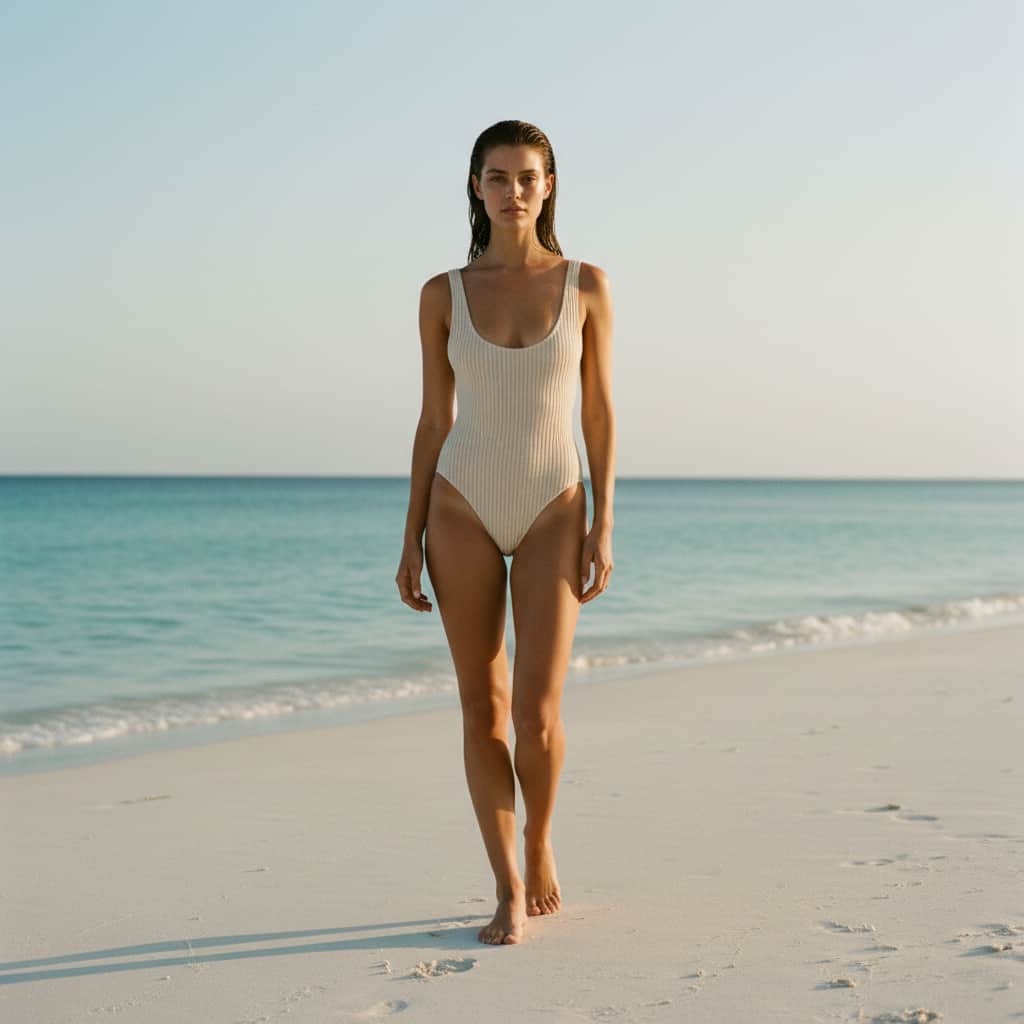
As consumer demand shifts toward elevated, resort-ready aesthetics, textured fabrics such as seersucker puckers, ribbed knits, waffle weaves, and piqués are becoming essential for modern swimwear collections. For independent labels and emerging designers, incorporating these materials offers a unique opportunity to stand out. Yet, working with textured textiles presents distinct technical challenges. They behave differently when wet, stretch more unpredictably, dry at slower rates, and demand highly specialized seam engineering.
This comprehensive guide explores the rise of textured swimwear and provides actionable insights on sourcing, testing, and designing with these innovative materials to ensure your next collection is both stylish and structurally sound.
The Rise of Tactile Swimwear
The appeal of textured swimwear lies in its ability to bridge the gap between active beachwear and sophisticated resort apparel. A ribbed one-piece or a seersucker bikini feels substantial, offering a ready-to-wear quality that smooth spandex often lacks.
Key Textured Fabrics Dominating the Market
- Seersucker: Known for its signature puckered surface, seersucker adds a vintage, preppy charm while providing excellent breathability. Its natural crinkle creates a flattering, forgiving fit.
- Ribbed Knits: Ribbed fabrics offer a sporty yet luxurious feel. The vertical lines naturally elongate the silhouette, and the inherent stretch provides exceptional comfort and adaptability to various body types.
- Waffle Weaves: Also known as honeycomb fabric, waffle weaves bring a cozy, highly tactile element to swimwear. They are visually striking and offer a unique, structured look.
- Piqués: Traditionally used in polo shirts, piqué fabrics feature a subtle, geometric texture. In swimwear, they provide a refined, tailored appearance that holds its shape beautifully.

Technical Challenges: How Texture Behaves in the Water
While textured fabrics look incredible on a sun lounger, they present unique engineering hurdles for swimwear brands. Unlike standard nylon-spandex blends, textured materials have complex physical properties that change dramatically when exposed to water.
Increased Stretch and Shape Retention
Textured fabrics, particularly ribbed knits and waffle weaves, inherently possess more mechanical stretch due to their three-dimensional structure. When wet, the weight of the water can cause these fabrics to sag or lose their shape if not properly supported. Designing with these materials requires precise pattern making and the integration of high-quality, high-modulus lining fabrics to control the stretch and maintain the garment's integrity.
Drying Time Considerations
The peaks and valleys that give textured fabrics their unique look also trap more water. Seersucker and piqué weaves generally have a higher water retention rate compared to flat tricot. This slower drying time is a critical factor for consumer comfort. Brands must balance the aesthetic appeal of the texture with practical performance by selecting synthetic blends engineered for quicker moisture evaporation.
Specialized Seam Engineering
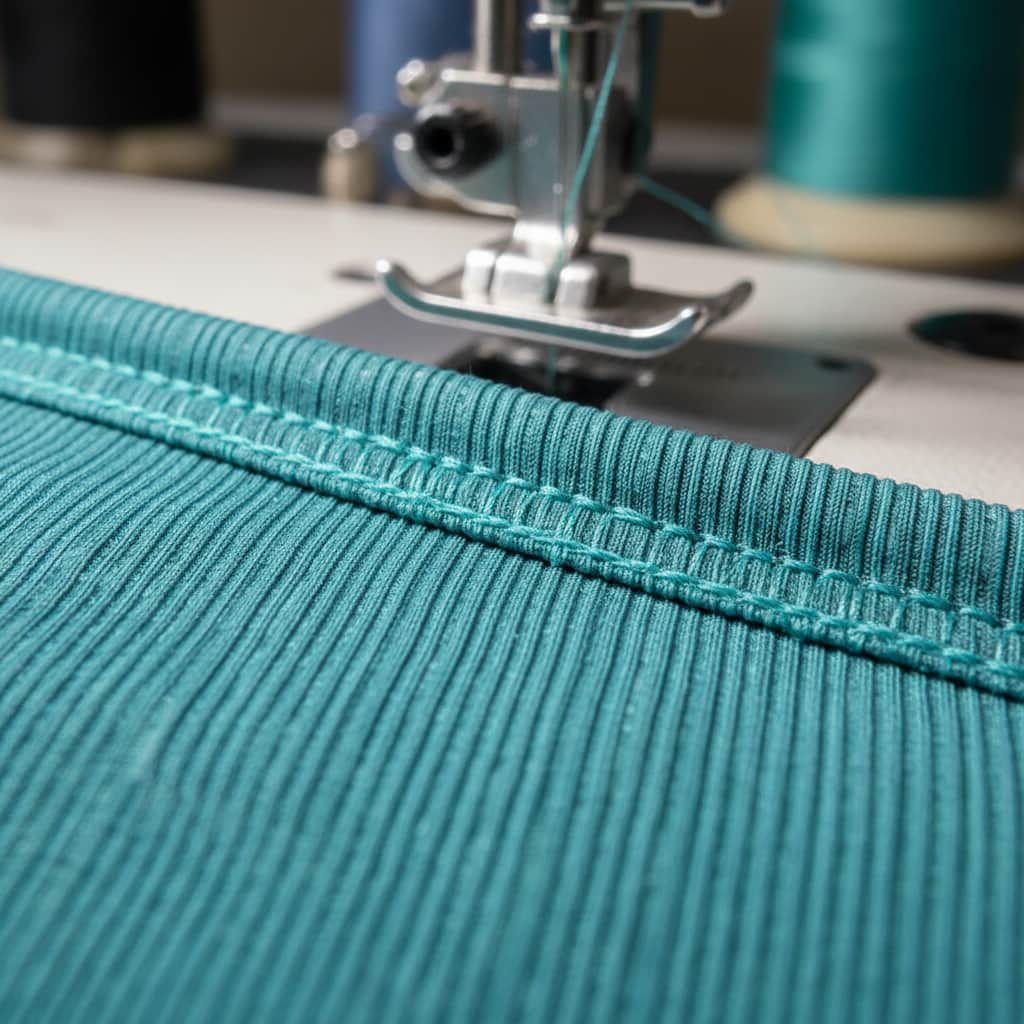
Sewing textured fabrics requires advanced manufacturing techniques. Standard seams can easily become bulky, warp the texture, or fail under tension. Specialized seam engineering, including the use of active seam stitching, reinforced elastic bands, and tailored thread tensions, is non-negotiable. Flatlock stitching or carefully concealed seams are often required to ensure the garment remains comfortable against the skin without disrupting the fabric's visual pattern.
Sourcing and Testing Textured Swim Fabrics
For small to medium-sized brands, navigating the supply chain for specialized textiles can be daunting. Sourcing the right textured fabric is only the first step; rigorous testing is essential to guarantee performance.
Strategic Sourcing
When sourcing textured materials, prioritize suppliers who specialize in activewear or swimwear textiles. Look for fabrics that blend the desired texture with a high percentage of premium elastane or spandex. It is crucial to request detailed fabric specifications, including weight (GSM), stretch modulus, and composition. Partnering with an experienced swimwear manufacturer can streamline this process, as they often have established relationships with top-tier fabric mills.
Rigorous Performance Testing
Before committing to a full production run, extensive testing is mandatory. Brands should conduct the following evaluations:
- Wet Stretch Test: Submerge the fabric sample in water and measure its stretch and recovery compared to its dry state.
- Chlorine and Saltwater Resistance: Expose the fabric to harsh pool and ocean conditions to ensure the texture does not degrade and the color remains vibrant.
- Abrasion Resistance: Textured surfaces are more prone to snagging. Rub tests will determine how the fabric holds up against rough surfaces like concrete pool edges or sandy beaches.
- Drying Rate Analysis: Measure the exact time it takes for the garment to dry completely under standard conditions.
Designing with Texture: Best Practices
Designing with seersucker, ribs, or waffle weaves requires a shift in perspective. The fabric itself is the focal point, meaning silhouettes should generally remain clean and uncomplicated.
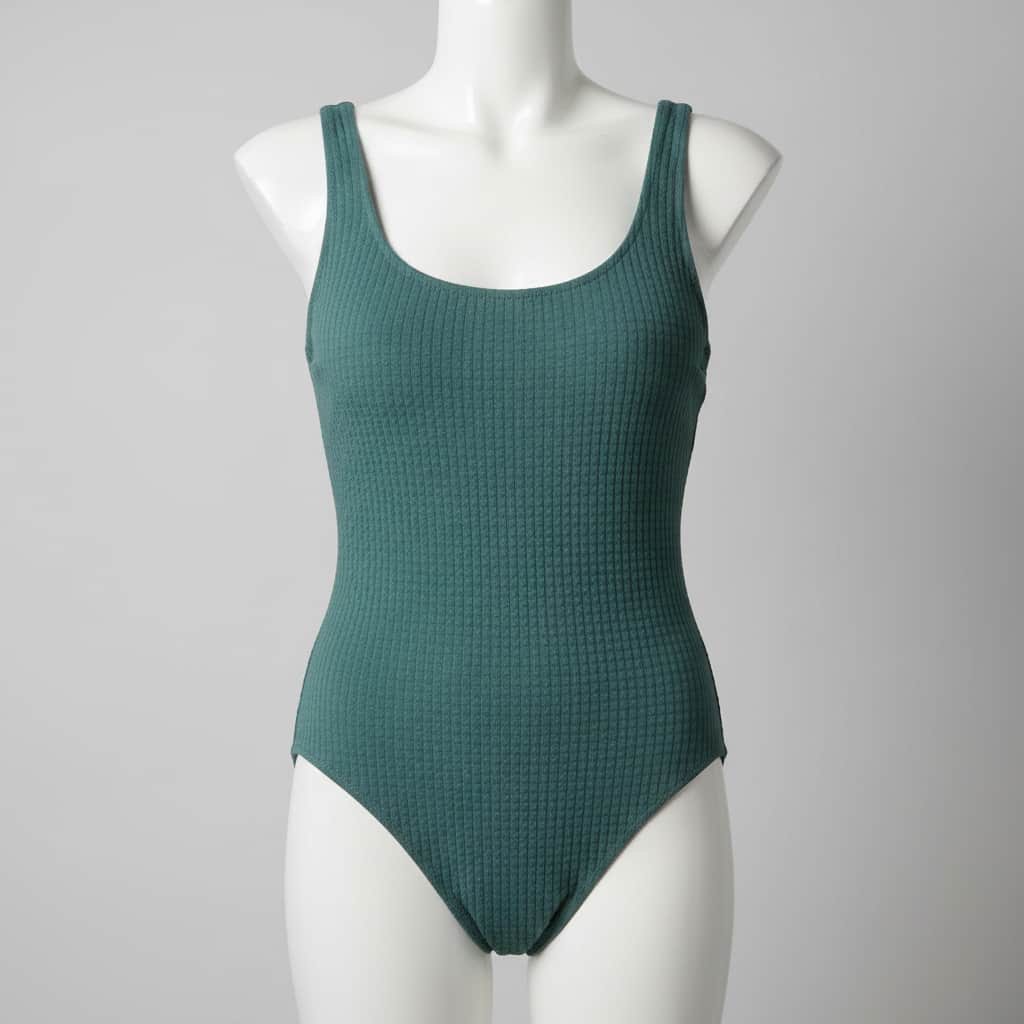
- Embrace Minimalism: Let the texture speak for itself. Avoid overly complex cut-outs or excessive hardware that might compete with the fabric's tactile appeal.
- Strategic Paneling: Use textured fabrics in specific panels to highlight curves or provide structural support, contrasting them with flat fabrics for a modern, color-blocked effect.
- Focus on Hardware: Pair textured fabrics with premium, minimalist hardware—such as matte clasps or seamless rings—to elevate the overall perceived value of the garment.
Elevate Your Swimwear Brand with Expert Manufacturing
Navigating the complexities of textured swimwear requires more than just a great design; it demands technical expertise and precise execution. Whether you are an emerging label looking to launch a seersucker collection or an established brand expanding into ribbed knits, partnering with a specialized manufacturer is the key to success.
We provide comprehensive B2B swimwear customization, OEM, and ODM services tailored to your brand's unique vision. From sourcing premium textured fabrics to advanced seam engineering and rigorous performance testing, our end-to-end solutions ensure your products meet the highest industry standards. Ready to bring your textured swimwear concepts to life? Contact us today to discuss your custom manufacturing needs and explore how our brand collaboration services can scale your business.
Frequently Asked Questions (FAQs)
1. Why do textured swimwear fabrics take longer to dry than flat fabrics? Textured fabrics like waffle weaves and seersucker have a three-dimensional surface with peaks and valleys. This structure naturally traps more water and reduces the surface area directly exposed to air, leading to a slower evaporation process compared to smooth, flat nylon or polyester blends.
2. How can I prevent ribbed swimwear from sagging when wet? To prevent sagging, ribbed swimwear must be engineered with a supportive, low-stretch lining. Additionally, using a ribbed fabric blend with a high percentage of premium elastane ensures better shape recovery. Proper pattern grading and the strategic placement of elastic along the seams also help maintain the garment's structure in the water.
3. Are textured fabrics like piqué suitable for active water sports? While textured fabrics offer a beautiful aesthetic for resort wear and lounging, they may not be the best choice for high-impact water sports. Their increased drag in the water and slower drying times make them less ideal for competitive swimming or intense surfing, where sleek, hydrodynamic fabrics are preferred.
4. What is the best way to sew seersucker swimwear to avoid bulky seams? Sewing seersucker requires specialized seam engineering. Manufacturers often use techniques like active seam stitching or specialized overlock machines with adjusted thread tensions to accommodate the puckered texture. Minimizing seam allowances and using soft, stretchable threads help prevent bulkiness and ensure the seams lay flat against the skin.
5. Can I use custom prints on textured swimwear fabrics? Yes, but it requires careful consideration. Printing on highly textured surfaces like waffle or deep ribs can distort the design, as the ink may not settle evenly into the crevices. Sublimation printing works best on synthetic blends, but it is highly recommended to test the print on a small fabric swatch first to ensure the pattern remains clear and vibrant across the texture.