For swimwear brands, designers, and retailers, launching a successful collection requires more than just an eye-catching design. The true quality of a swimsuit lies beneath the surface, hidden within its construction. Understanding the anatomy of a swimsuit is crucial for B2B buyers who want to source premium products, reduce return rates, and build lasting brand loyalty.
Whether you are developing a new line of active surfwear or luxury resort pieces, every single component plays a vital role in the garment's fit, durability, and performance. In this comprehensive guide, we will break down the structural diagram of a swimsuit and explore the materials and construction of the nine essential swimsuit components every buyer should know.
The Anatomy of a Swimsuit: Structure Overview
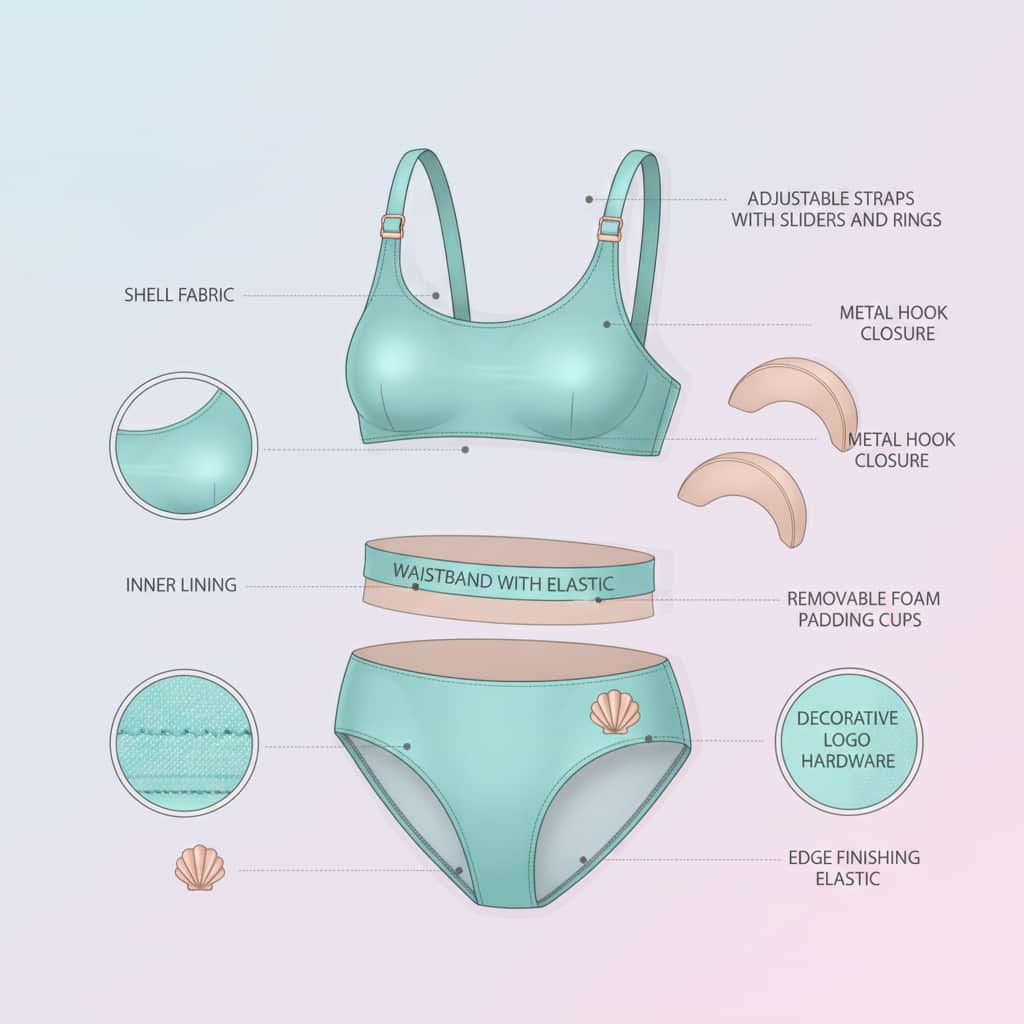
Before diving into the specifics, it is helpful to visualize how a high-quality swimsuit is constructed. A well-manufactured swimsuit is a complex assembly of stretch materials and structural supports designed to perform under harsh conditions like saltwater, chlorine, and UV exposure.
At its core, the Shell Fabric provides the exterior look and primary stretch, while the Lining ensures opacity and comfort. The garment is anchored to the body via the Waistband and Elastic edges, supported by Straps and secured by Closures. Internally, Padding offers shape, while specialized Stitching holds everything together without restricting movement. Finally, Decorative Elements add the finishing brand touches.
Let us explore each of these nine components in detail.
1. Shell Fabric (The Outer Layer)
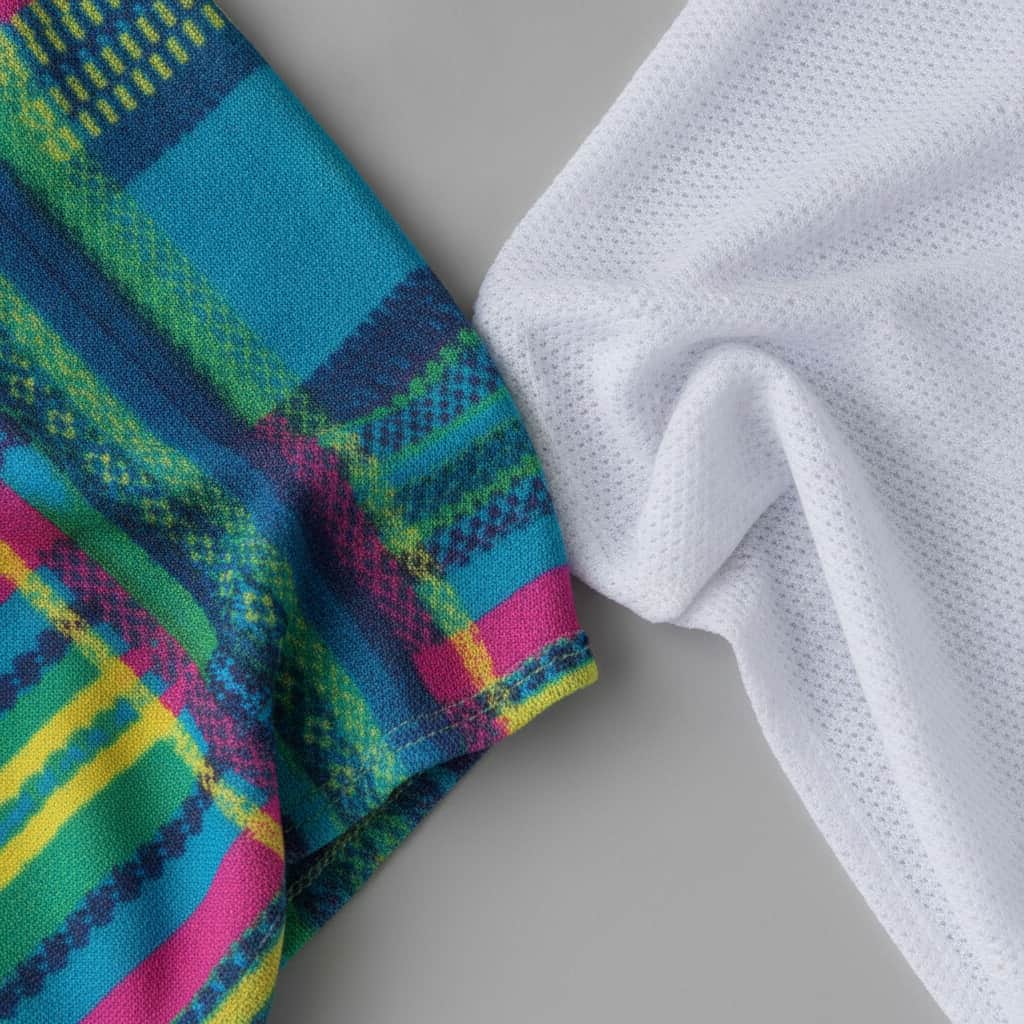
The shell fabric is the most visible and tactile component of any swimsuit. It dictates the overall aesthetic, compression level, and longevity of the garment.
- Material: The industry standard is a blend of synthetic fibers, primarily Nylon (Polyamide) or Polyester, mixed with Spandex (Elastane) for stretch. Nylon blends offer a softer, more luxurious hand-feel, while Polyester blends provide superior resistance to chlorine and fading. Today, sustainable options like recycled PET (from plastic bottles) or regenerated nylon are highly sought after by eco-conscious brands.
- Construction: The fabric must feature a 4-way stretch to move seamlessly with the body. High-quality shell fabrics are tightly knit to prevent sand trapping and are often treated for UPF 50+ sun protection, quick-drying capabilities, and resistance to pilling.
2. Lining (The Inner Foundation)
A swimsuit without a proper lining is a recipe for disaster, especially when wet. The lining is the unsung hero that provides structure, opacity, and next-to-skin comfort.
- Material: Linings are typically made from a lightweight, tightly knit polyester or nylon mesh, often with a high percentage of spandex to match the stretch of the shell fabric.
- Construction: The lining is constructed to lay completely flat against the inside of the shell fabric. In premium swimwear, full front and back linings are standard. For active swimwear, power-mesh linings are sometimes used in the abdominal area to provide extra compression and tummy control.
3. Waistband (The Anchor)
For bikini bottoms, boardshorts, and one-piece suits, the waistband is the primary anchor point that keeps the garment securely in place during movement.
- Material: Waistbands usually incorporate a wider, heavy-duty elastic band encased within the shell fabric. In some seamless or "fold-over" designs, the fabric itself is doubled over without harsh elastics to prevent digging into the skin.
- Construction: The construction of the waistband must balance security with comfort. It requires specialized coverstitching to ensure the elastic does not roll or twist inside the fabric casing after washing or wearing.
4. Straps (The Support System)
Straps bear the brunt of the tension in any swimsuit top or one-piece, making them a critical component for support and lift.
- Material: Straps are generally constructed from tubes of the shell fabric that enclose a strip of rubber or silicone elastic. High-quality straps also incorporate adjustable metal or heavy-duty plastic sliders and rings.
- Construction: Because they are high-stress points, straps must be attached to the main body of the swimsuit using reinforced stitching, such as bar tacks. The enclosed elastic must be sewn securely at both ends to prevent it from snapping back or bunching up within the fabric tube.
5. Closures (The Fastenings)
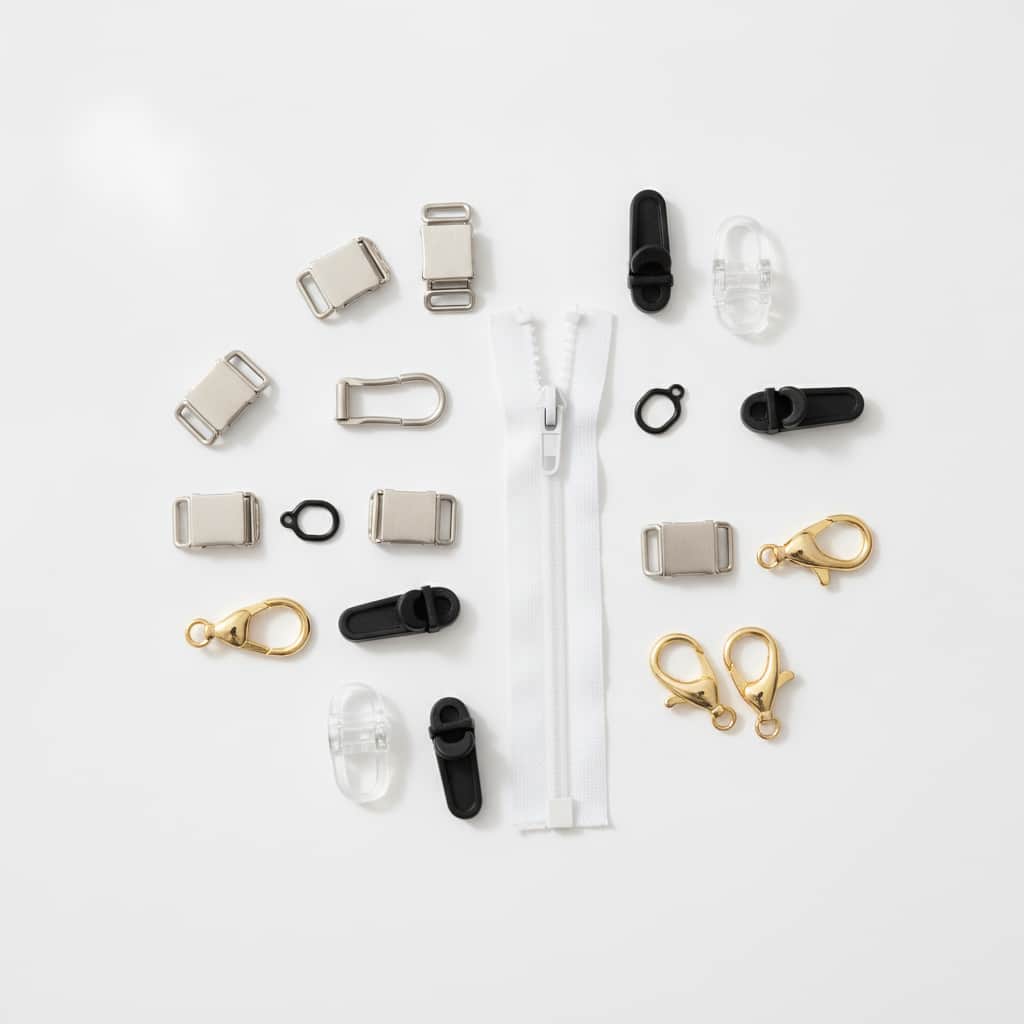
Closures include the clasps, hooks, ties, and zippers that allow the wearer to put on and take off the swimsuit with ease while ensuring a secure fit.
- Material: Metal hardware must be strictly rust-proof and hypoallergenic (often zinc alloy or coated brass). Plastic closures should be made from high-density polyoxymethylene (POM) to resist cracking under pressure.
- Construction: Closures must be engineered to withstand constant tension, saltwater corrosion, and chlorine degradation. They are typically anchored into reinforced fabric loops to distribute the pulling force evenly and prevent tearing.
6. Padding (The Shape Enhancer)
Padding provides bust support, enhances the natural silhouette, and prevents nipple show-through, which is a major concern for consumers.
- Material: High-quality swimsuit padding is made from molded polyurethane foam. Unlike standard bra pads, swimwear cups must be water-resistant and non-absorbent so they do not become heavy and waterlogged.
- Construction: Padding can be permanently sewn into the lining or inserted into discreet side pockets as removable cups. Sewn-in cups require precise placement and grading across different sizes to ensure they sit correctly on the wearer's chest.
7. Stitching (The Binding Force)
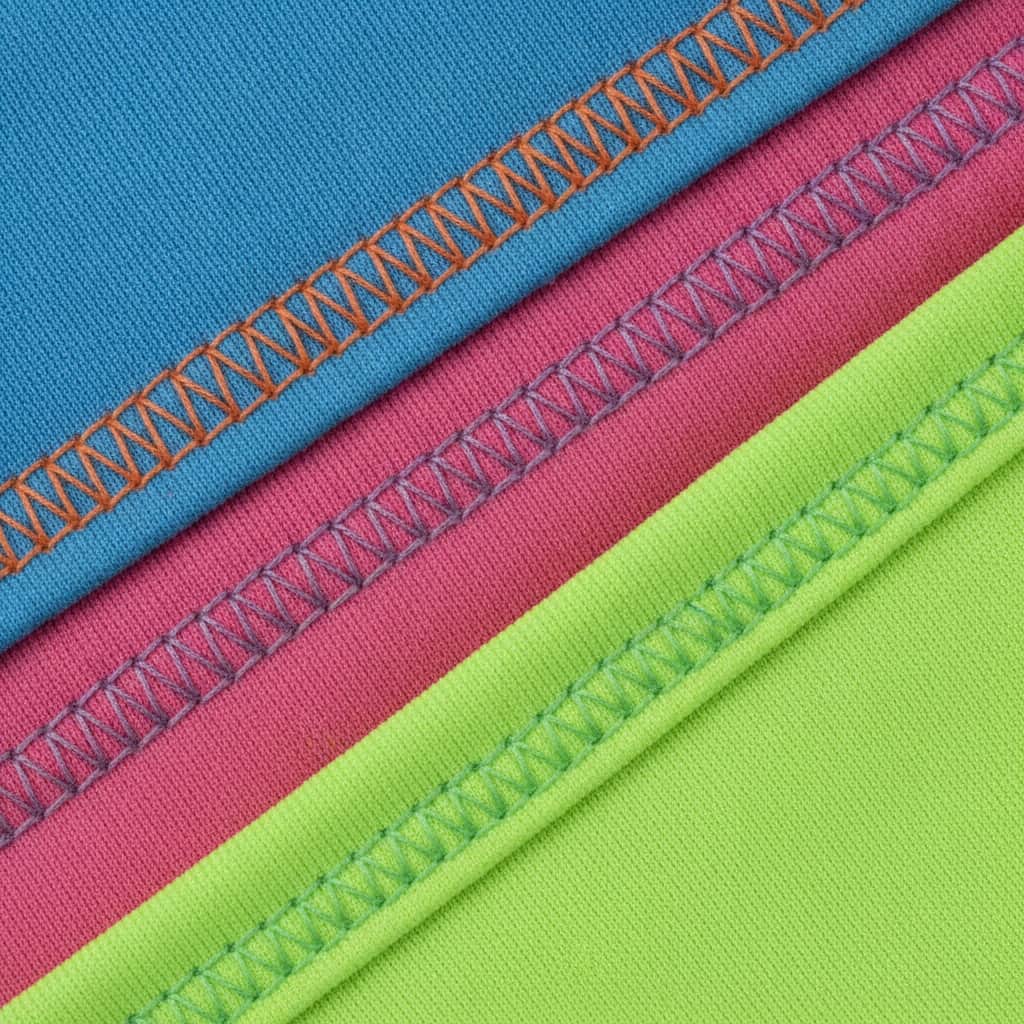
The thread and stitching techniques used in swimwear are entirely different from those used in standard woven apparel. If the thread cannot stretch with the fabric, the seams will pop.
- Material: Manufacturers use high-stretch, texturized polyester or wooly nylon threads. These threads are softer and have a natural elasticity.
- Construction: Swimwear construction relies heavily on overlock (serger) stitches for internal seams and coverstitches or zigzag stitches for topstitching. These stitch types create a looping structure that allows the seam to expand and contract dynamically without breaking.
8. Elastic (The Edge Finisher)
While the shell fabric provides overall stretch, it is the elastic sewn into the leg openings, necklines, and armholes that seals the garment against the body and prevents gaping.
- Material: Swimwear elastics are specially formulated from raw rubber or silicone-treated materials. Standard cotton elastics will quickly degrade and lose their snap when exposed to chlorine and salt.
- Construction: The elastic is typically sewn directly onto the edge of the fabric using an overlock stitch, then folded inward and topstitched down with a zigzag or twin-needle coverstitch. This creates a clean, finished edge that grips the skin gently but firmly.
9. Decorative Elements (The Brand Differentiator)
Hardware, ruffles, cut-outs, and prints are what differentiate a basic swimsuit from a designer piece. These elements elevate the perceived value of the garment.
- Material: Decorative elements include heat-transfer vinyl logos, acrylic beads, tortoise-shell rings, and custom metal charms.
- Construction: Any decorative addition must undergo rigorous testing. Hardware must not heat up and burn the skin in the sun, colors must be perfectly colorfast to prevent bleeding onto the main fabric, and appliques must be securely attached to withstand the agitation of washing machines and ocean waves.
Partner with Us for Premium Swimwear Manufacturing
Understanding the intricate components of a swimsuit is the first step in building a successful swimwear brand. The next step is finding a reliable manufacturing partner who can execute these details with precision.
If you are a brand owner, designer, or retailer looking to elevate your product line, our professional B2B swimwear manufacturing services are here to help. We specialize in comprehensive OEM/ODM solutions, offering end-to-end custom swimwear production tailored to your exact specifications. From sourcing premium, sustainable fabrics and rust-proof hardware to executing flawless stitching and construction, we ensure every component of your swimwear meets the highest industry standards.
Partner with us for your next collection and let our expertise in brand collaboration and custom manufacturing bring your vision to life. Contact our team today to discuss your design requirements, request samples, and discover how we can help your swimwear brand scale and succeed in a competitive market.
Frequently Asked Questions (FAQs)
Q1: What is the best fabric blend for manufacturing durable swimwear? A: The most durable blend for swimwear is typically a combination of Polyester and Spandex (usually around 80% to 85% Polyester and 15% to 20% Spandex). Polyester offers superior resistance to chlorine, UV rays, and general wear-and-tear compared to Nylon, making it ideal for active and frequent-use swimwear.
Q2: How can I ensure the hardware on my custom swimwear won't rust? A: To prevent rusting, you must specify that your manufacturer uses marine-grade, rust-proof hardware. Materials such as zinc alloy, coated brass, or specialized plastics (like POM) are standard in premium swimwear. Always request salt-water and chlorine resistance testing for any metal components before mass production.
Q3: What is the difference between OEM and ODM in swimwear manufacturing? A: OEM (Original Equipment Manufacturing) means the manufacturer produces swimwear strictly based on your brand's custom designs, tech packs, and specifications. ODM (Original Design Manufacturing) means the manufacturer provides pre-designed styles that you can select, modify slightly, and brand with your own logos and labels.
Q4: Why do swimwear seams pop, and how can a manufacturer prevent it? A: Swimwear seams usually pop because the wrong type of thread or stitch was used. To prevent this, manufacturers must use high-stretch threads (like wooly nylon) and specific stretch stitches, such as overlock, zigzag, or coverstitches, which allow the seams to expand seamlessly with the spandex fabric.
Q5: Can I request sustainable or eco-friendly components for my swimwear line? A: Absolutely. Many premium B2B manufacturers now offer a wide range of sustainable components. This includes shell fabrics made from recycled PET plastic bottles (like REPREVE®) or regenerated nylon (like ECONYL®), as well as eco-friendly packaging and digital printing methods that significantly reduce water consumption.