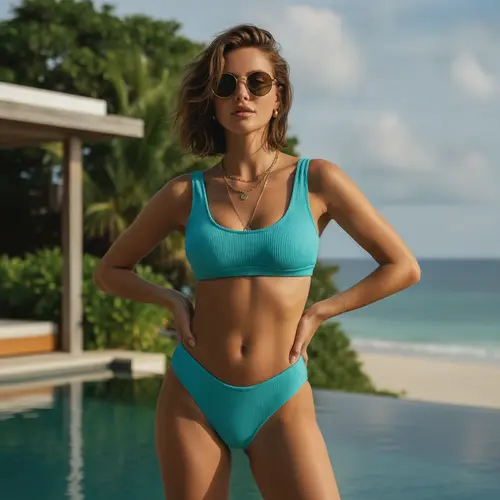
In recent seasons, the swimwear industry has witnessed a massive shift. Smooth, traditional spandex blends are no longer the only standard. Instead, ribbed, pleated, and highly textured swimwear fabrics have taken over the market, becoming a staple for emerging and established brands alike. But why has ribbed fabric suddenly become so popular in the swimwear sector?
For swimwear brands, designers, and retailers looking to stay ahead of the curve, understanding the appeal of these materials is crucial. Let’s dive into the key reasons behind the explosive popularity of ribbed swimwear fabrics and how they can elevate your product lines.
1. Rich Texture Diversity and Unique Manufacturing
One of the primary reasons ribbed fabric has captured the market is its incredible texture diversity. These fabrics are not just printed; they are created through intricate textile techniques such as jacquard weaving and specialized pleating.
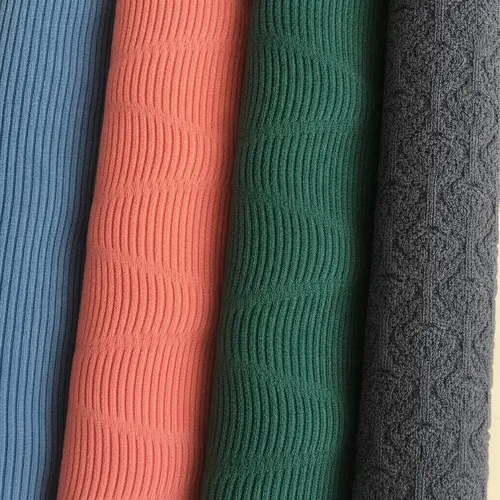
The manufacturing process itself is fascinating. Before a regular fabric is transformed into a ribbed masterpiece, its standard width is usually around 165 to 180 cm. However, through specific textile processes, this width is intentionally reduced by a certain proportion. This shrinkage creates unique textures with varying densities, depths, and shapes. Consequently, the final fabric width is relatively narrow, typically ranging between 100 and 130 cm.
Furthermore, the deeper and denser the ribs are, the heavier the fabric weight becomes. Some ultra-thick ribbed fabrics can even have a width of only 90 cm while boasting a substantial weight of 300 gsm. This density gives the swimwear a luxurious, premium feel that consumers instantly recognize and appreciate.
2. Linear Aesthetics and 3D Visual Impact
When we talk about the texture of ribbed fabric, we are primarily referring to its linear aesthetic. The texture lines generally run parallel and do not cross over one another. Straight ribbing is the most common and classic form, offering a sleek, elongating effect on the body, followed closely by curved ribbing for a more dynamic look.
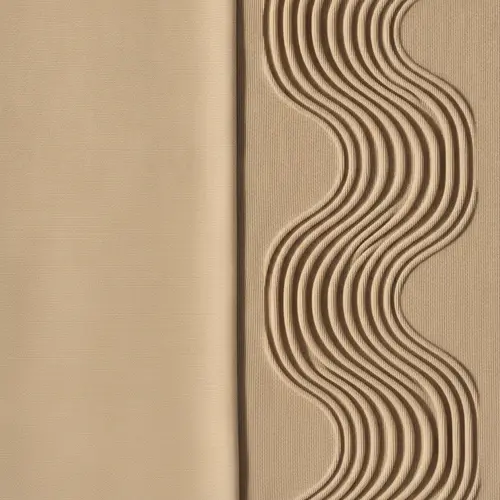
Depending on the depth and width of the ribs, these fabrics can be categorized into numerous distinct types. The most popular category is striped rib fabric, which encompasses a variety of styles such as wide rib, fine rib, ant rib, small wave, and large wave textures. Because these textures are directly created during the knitting and weaving process rather than being embossed later, they offer a highly durable, strong visual effect with a clear three-dimensional feel. This 3D quality makes the swimwear stand out on the rack and on screen.
3. Unmatched Comfort and Multi-Scenario Wearability
Another driving force behind this trend is multi-scenario wearability. Ribbed fabric is fundamentally a knitted fabric. Interestingly, it was originally applied in everyday apparel and casualwear before making its successful crossover into swimwear.
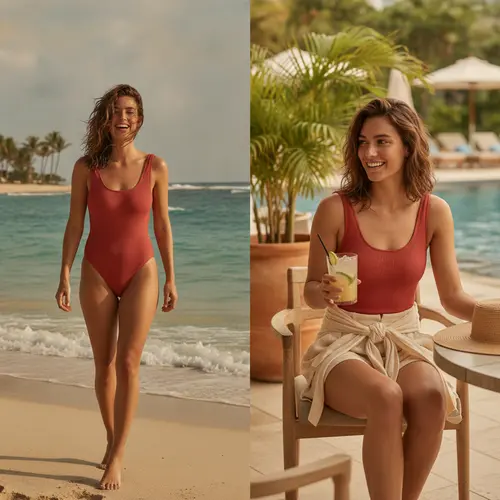
Today, consumers demand versatility. Ribbed swimwear seamlessly bridges the gap between beachwear and resort wear. It pairs perfectly with denim shorts or linen trousers, making it ideal for casual outings beyond the pool. From a practical standpoint, while ribbed fabric absorbs water and does not dry as quickly as ultra-thin athletic swimwear fabrics, this does not deter consumers. The trade-off is well worth it because the wearing comfort is unparalleled.
Ribbed swimwear does not have the intense sense of compression often associated with conventional performance swimwear. Instead, it offers a soft, forgiving stretch that flatters various body types. Moreover, its rich texture catches the light beautifully, giving it a massive photogenic appeal that is highly favored by influencers and consumers on social media.
4. High Customizability for Swimwear Brands
For B2B swimwear brands, the most exciting aspect of ribbed fabric is its strong customizability. If your swimwear brand is in a growth stage, has a clear budget, and possesses a strong design concept, customizing your own ribbed fabric is a highly strategic move.
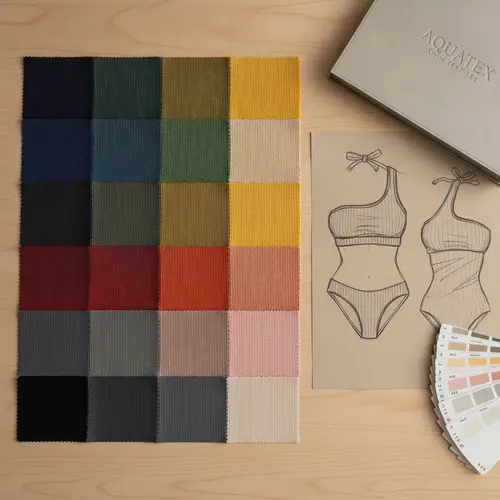
Brands have the freedom to customize the fabric composition, the exact texture, and the rib depth to match their unique brand identity. Surprisingly, the threshold for this customization is relatively low. The cost for custom fabric sampling is generally around USD 100 to 200. Once the custom fabric goes into production, a standard fabric stock order can be used to manufacture approximately 3,000 bikini sets.
This means that a single custom fabric investment should ideally be used to develop a comprehensive, full product series—ranging from bikinis and one-pieces to matching beachwear and resort apparel. This level of customization helps brands create highly unique, differentiated products that cannot be easily replicated by competitors.
Elevate Your Swimwear Line with Premium Customization Services
Are you looking to incorporate high-quality ribbed and textured fabrics into your next swimwear collection? We specialize in B2B swimwear customization, providing end-to-end OEM and ODM services for brands worldwide. Whether you need custom fabric development, pattern making, or full-scale garment manufacturing, our experienced team is here to bring your vision to life.
Partner with us to create unique, market-leading swimwear and resort wear that your customers will love. Contact us today to discuss your customization needs, request fabric samples, and explore our comprehensive brand cooperation services!
Frequently Asked Questions (FAQs)
Q1: What makes ribbed swimwear fabric different from regular swimwear fabric?
A1: Unlike regular flat swimwear fabrics, ribbed fabric is created through specialized knitting, jacquard, or pleating techniques that give it a distinct 3D, linear texture. It offers a softer, more comfortable fit with less compression, making it ideal for both swimming and casual resort wear.
Q2: Is ribbed swimwear fabric suitable for all body types?
A2: Yes, the knitted nature of ribbed fabric provides excellent stretch and a forgiving fit. It conforms comfortably to the body without feeling overly tight, making it a flattering and comfortable choice for a wide variety of body shapes.
Q3: Can I customize the width and depth of the ribs for my brand's swimwear line?
A3: Absolutely. We offer extensive customization options for B2B clients. You can customize the fabric composition, rib width (such as fine rib, wide rib, or wave patterns), and depth. Custom sampling is highly accessible, usually costing around USD 100–200.
Q4: Does ribbed swimwear fabric dry as fast as traditional smooth spandex?
A4: Because ribbed fabric is typically thicker and has a textured knit structure, it tends to absorb more water and may not dry as quickly as ultra-thin, smooth swimwear fabrics. However, its exceptional comfort, stylish look, and versatility far outweigh this factor for fashion-forward consumers.
Q5: What is the minimum production scale for using custom ribbed fabrics?
A5: While custom fabric sampling has a low threshold, a standard production run of custom ribbed fabric typically yields enough material to produce around 3,000 bikini sets. We highly recommend utilizing this fabric across a full product series, including one-pieces and beachwear, to maximize your investment.