The post-pandemic fashion landscape has fundamentally shifted consumer expectations. Today, versatility is no longer just a perk; it is a baseline requirement. As wardrobes become more streamlined, consumers are seeking multi-functional pieces that offer maximum value. In the swimwear industry, this shift has birthed the "swim-to-street" movement. We are moving far beyond basic sheer cover-ups. Modern collections prominently feature bodysuits, sophisticated halter tops, and tailored high-waisted bottoms designed to transition seamlessly from a morning at the beach to an afternoon brunch.
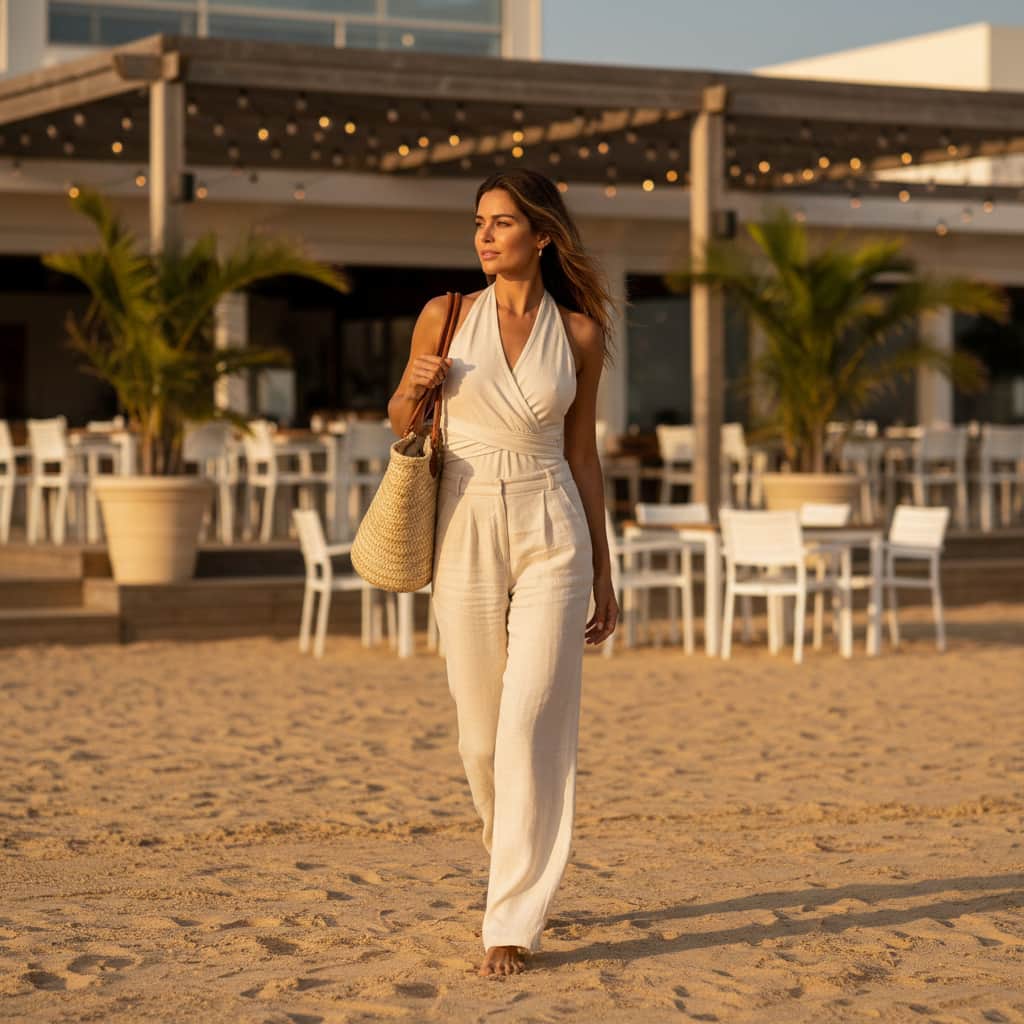
However, creating these versatile garments involves complex technical design decisions. Bridging the gap between swimwear and ready-to-wear requires a deep understanding of textile science, precision patterning, and strategic garment construction. For swimwear brands looking to capitalize on this trend, mastering these technical elements is the key to market success.
Fabric Innovation: Holding Shape Wet and Dry
The most significant hurdle in designing swim-to-street apparel is fabric selection. A piece must perform flawlessly under the stress of saltwater and chlorine while maintaining the structure, opacity, and comfort expected of everyday streetwear.
Quick-Drying and Shape Retention
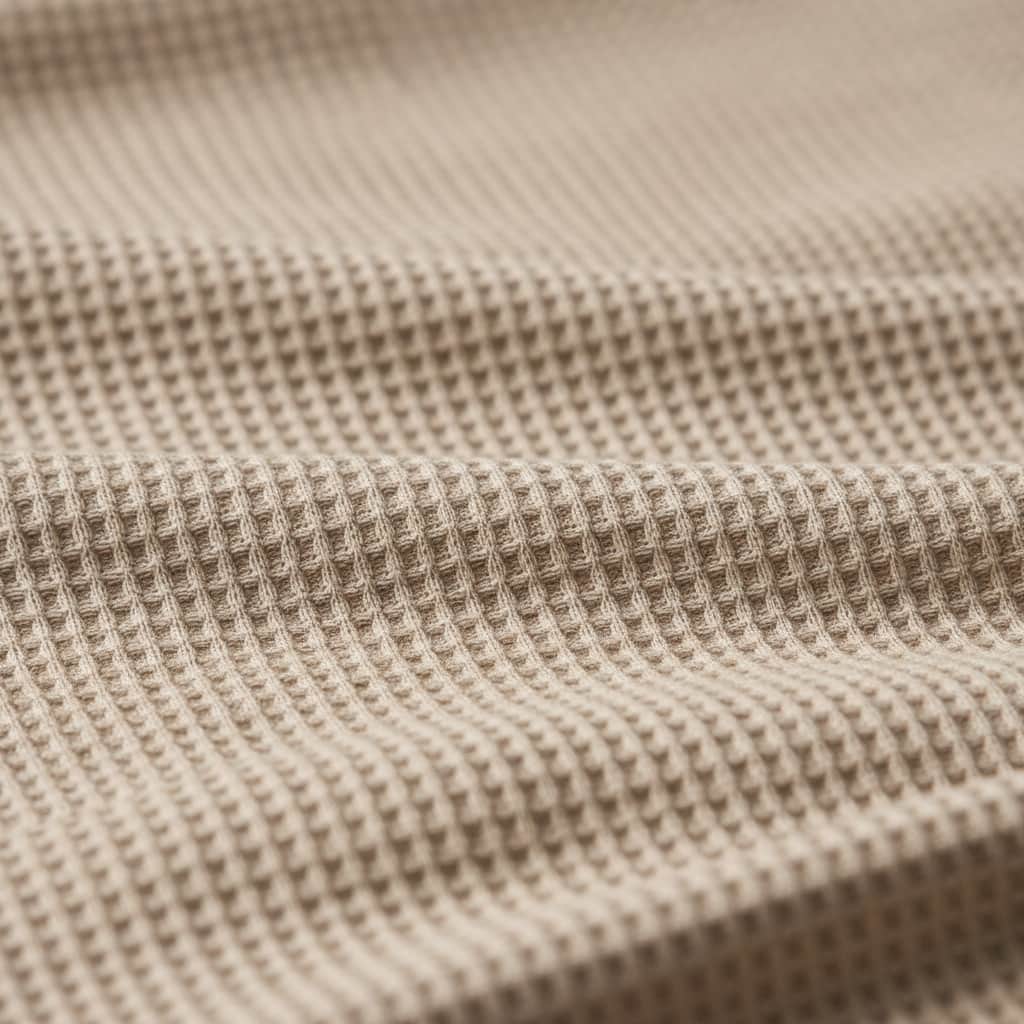
Traditional swimwear relies heavily on high-stretch elastane blends, which can sometimes look too glossy or clingy for streetwear. To achieve dual functionality, designers are turning to advanced polyamide and elastane blends with specialized knitting techniques. These fabrics offer high modulus (resistance to stretching), ensuring the garment holds its shape and provides compression whether it is soaking wet or completely dry.
Texture and Opacity
Texture plays a crucial role in elevating a swimsuit to a streetwear piece. Ribbed fabrics, pique textures, and seamless knits provide a premium, tactile feel that mimics conventional clothing. Furthermore, opacity is non-negotiable. Dual-function pieces often utilize double-lining or spacer fabrics to prevent transparency, ensuring the wearer feels secure and confident in any environment.
Strategic Cuts: Silhouettes for Both Contexts
Designing for two entirely different contexts means reevaluating traditional swimwear silhouettes. The cuts must offer the performance of activewear with the aesthetic refinement of a boutique fashion label.
The Bodysuit Evolution
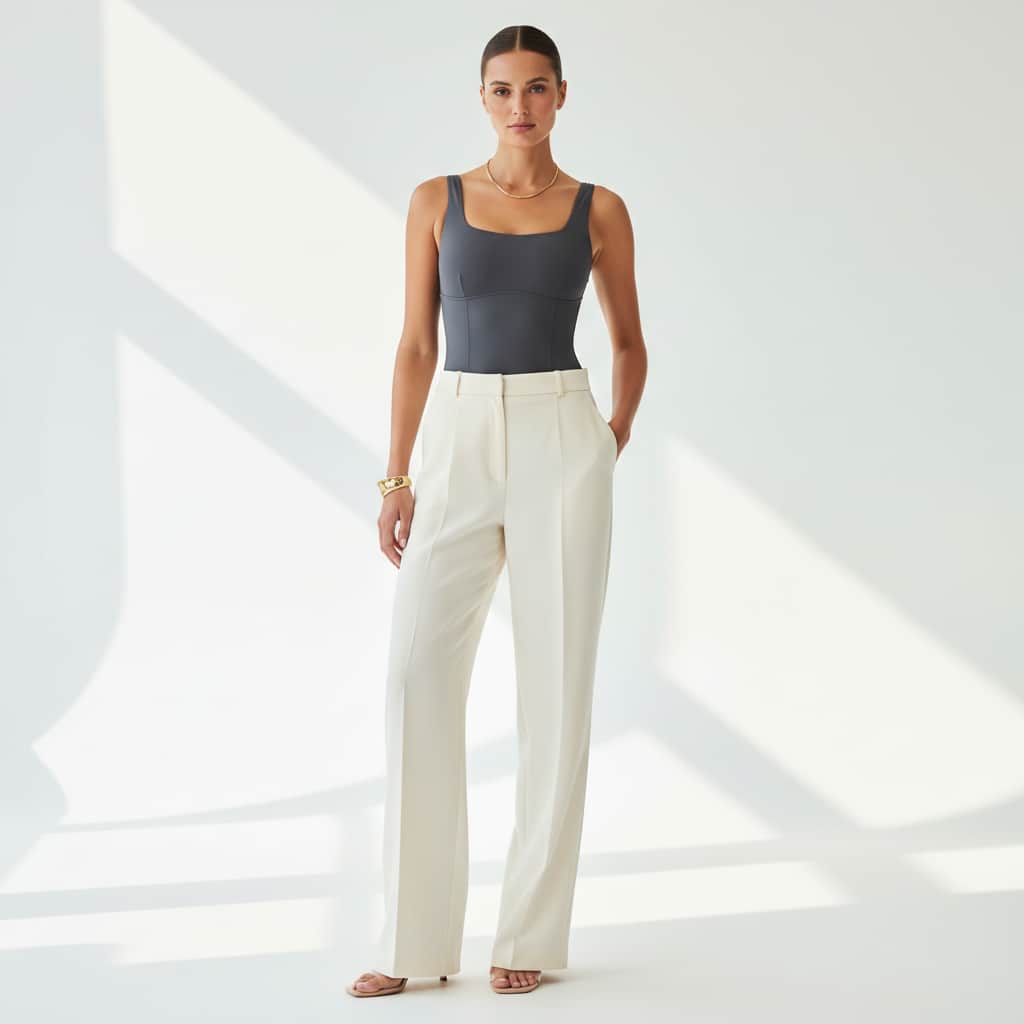
The one-piece swimsuit has evolved into the ultimate foundational bodysuit. To function effectively on the street, the cut around the hips and legs must be carefully calibrated. French cuts or slightly lower leg lines often pair better with denim or trousers, preventing uncomfortable bunching. Necklines are also becoming more architectural, featuring square necks, asymmetric one-shoulders, or deep V-necks that look intentional when paired with a blazer or a flowing maxi skirt.
Halter Tops and Bralettes
Bikini tops are increasingly being designed to double as crop tops. This requires wider bands for underbust support, elongated silhouettes, and refined hardware. Moving away from standard plastic clasps, designers are incorporating matte metal hardware, tortoiseshell rings, or clean, seamless tie-backs that elevate the overall look.
High-Waisted Bottoms
High-waisted bottoms are being patterned to mimic the fit of high-rise shorts or foundational shapewear. By utilizing clean-finish seams and eliminating tight elastic bands that cause digging, these bottoms can be worn comfortably under sheer trousers or linen pants without creating visible panty lines.
Patterning for Dual Functionality
The technical patterning for swim-to-street wear is significantly more complex than standard swimwear. When a garment is intended for prolonged wear outside the water, comfort becomes paramount.
Gusset Design and Seam Placement
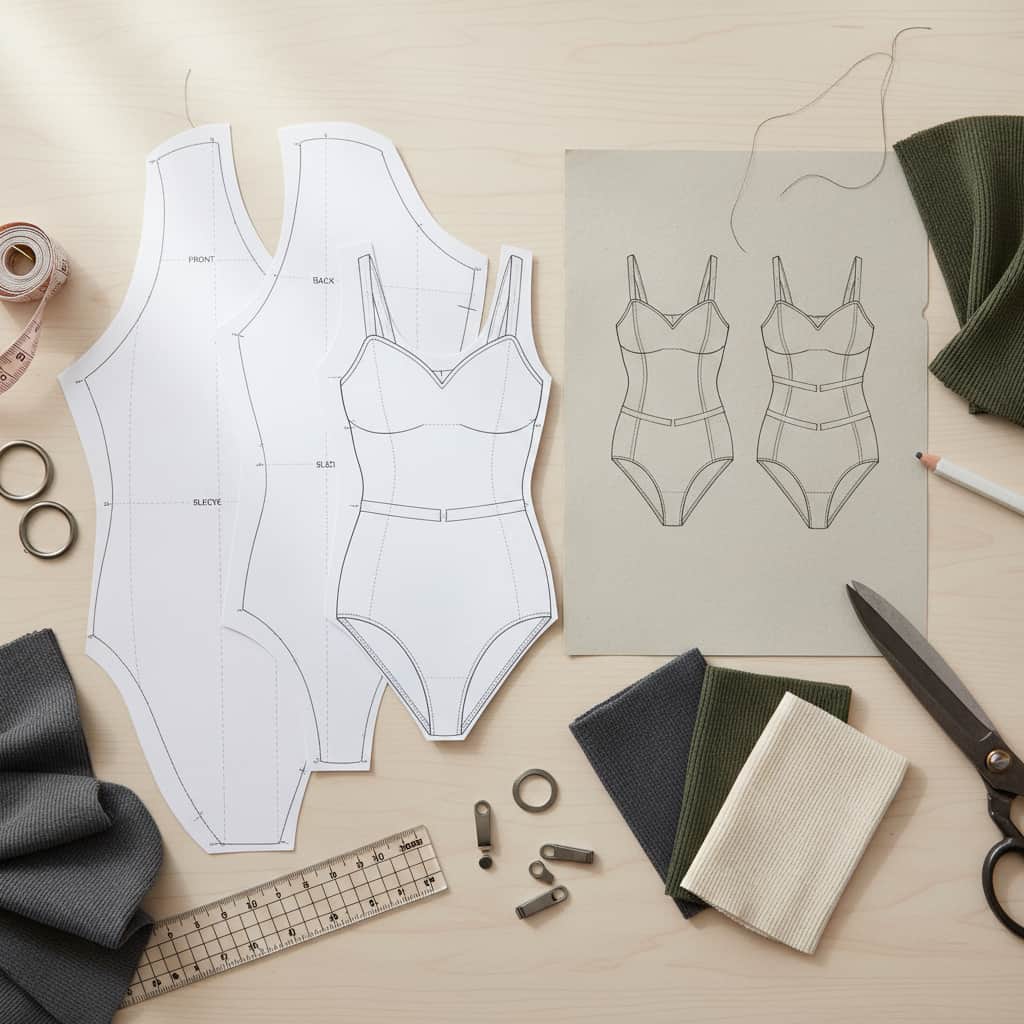
Traditional swimwear gussets are narrow and designed strictly for water use. For pieces meant to be worn all day, the gusset must be widened and often lined with breathable, natural fibers to ensure hygiene and comfort. Additionally, seam placement must be meticulously planned to avoid chafing. Flatlock seams or entirely seamless constructions (using tubular knitting machines) are preferred to ensure the garment sits flush against the skin.
Adjustability and Support
Streetwear demands reliable support. Pattern makers must incorporate hidden support structures, such as invisible underwires, removable padding, and adjustable straps that do not look like traditional lingerie hardware. The goal is to create a garment that feels like a custom fit, accommodating different torso lengths and bust sizes while maintaining a sleek exterior profile.
Elevating Your Brand with Expert Manufacturing
The transition from a standard swimsuit to a premium swim-to-street convertible piece requires more than just a good design; it requires exceptional execution. The technical nuances of sourcing the right textured fabrics, perfecting the pattern grading, and ensuring flawless stitching are what separate high-end versatile wear from the rest.
For brands aiming to dominate this growing market segment, partnering with a manufacturing facility that understands these technical intricacies is crucial. From selecting the perfect matte-finish hardware to sourcing high-retention, quick-dry textiles, every detail matters in creating a product that truly works in and out of the water.
Ready to bring your innovative swim-to-street designs to life? As a premier B2B swimwear manufacturing partner, we specialize in high-quality custom swimwear, comprehensive OEM/ODM services, and strategic brand collaborations. We possess the technical expertise, advanced fabric sourcing capabilities, and precision manufacturing processes required to create premium convertible pieces that your customers will love. Whether you are launching a new collection or scaling an established brand, our team is here to turn your vision into reality. Contact us today to discuss your custom manufacturing needs and elevate your brand's product offerings.
Frequently Asked Questions (FAQs)
1. What are the best fabrics for swim-to-street convertible clothing? The best fabrics are high-quality polyamide (nylon) and elastane blends that feature textured finishes like ribbing or waffle knits. These materials offer excellent shape retention, quick-drying properties, and a matte finish that looks more like everyday apparel rather than traditional shiny swimwear.
2. How do you ensure a swimsuit top provides enough support to be worn as a streetwear crop top? Support is achieved through technical patterning, including wider underbust bands, hidden structural seams, and sometimes flexible, invisible underwires. Using double-lined fabrics and adjustable, wide straps also helps distribute weight evenly, providing the comfort and support needed for all-day wear.
3. What is the difference between patterning a standard swimsuit and a swim-to-street bodysuit? A swim-to-street bodysuit requires patterning that prioritizes long-term comfort. This includes a wider, more breathable gusset, leg cuts designed to lay flat under trousers without bunching, and strategic darting to accommodate the body's natural movement throughout the day, not just while swimming.
4. Can seamless construction be used for convertible swimwear? Yes, seamless construction is highly recommended for convertible pieces. It eliminates bulky seams that can cause chafing or visible lines under clothing. Seamless designs offer a smooth, second-skin fit that is incredibly comfortable for transitioning from the beach to daily activities.
5. Why is specialized manufacturing important for convertible swimwear? Convertible swimwear demands a higher level of technical precision than basic beachwear. Specialized manufacturers have the expertise to handle advanced, high-stretch fabrics without puckering, source specialized hardware that withstands both chlorine and daily wear, and execute complex patterns that ensure the garment functions perfectly in dual environments.