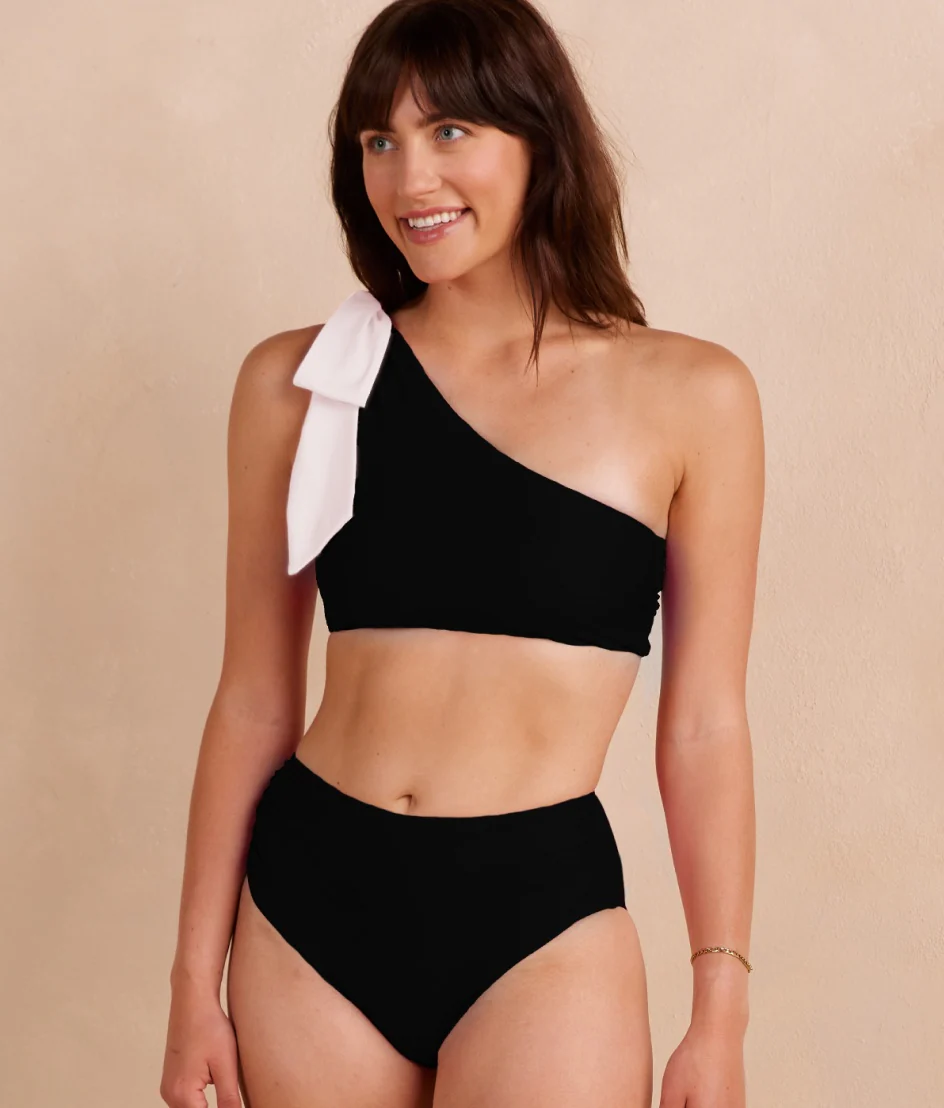
Sometimes, spending a little more on fabric is the cheapest decision a swimwear brand can make.
Every New Swimwear Brand Wants to Reduce Costs
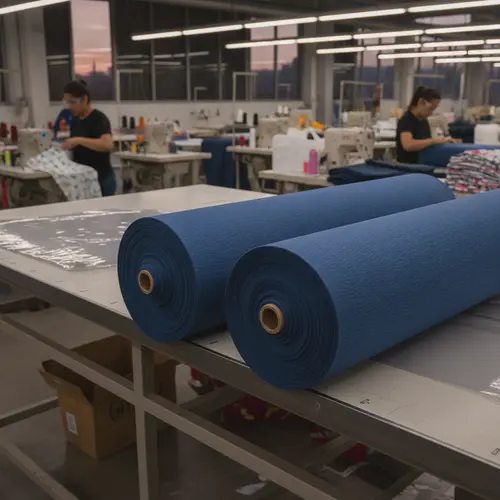
One conversation comes up in almost every project we work on.
A client looks at two fabric options and asks:
"Can we use the cheaper one instead?"
It's a completely reasonable question.
For a new swimwear brand, every dollar matters. Lower fabric costs can improve profit margins, reduce the initial investment, and make launching a collection feel less risky.
In fact, if you compare the two fabrics side by side, the cheaper one often looks almost identical.
The color is similar.
The texture feels similar.
The stretch seems similar.
From the outside, there doesn't appear to be much difference at all.
But after manufacturing swimwear for hundreds of brands, we've learned that the biggest differences rarely appear on the cutting table.
They appear weeks or months after customers start wearing the product.
Two Fabrics That Looked Almost the Same
Not long ago, a client was choosing between two fabrics for a new bikini collection.
One option cost slightly more.
The other reduced the production cost by less than one dollar per swimsuit.
The client naturally preferred the cheaper option.
From a business perspective, the math looked simple.
Saving less than a dollar on every piece across a few thousand swimsuits could reduce the total production cost significantly.
If the fabrics looked the same, why pay more?
Instead of answering immediately, we suggested testing both fabrics before making a decision.
The Difference Didn't Show Up Until We Started Testing

Visually, both fabrics looked excellent.
However, once we moved beyond appearance, the results became very different.
We tested both fabrics for:
- Stretch recovery
- Wet transparency
- Shape retention
- Colorfastness
- Elastic performance after repeated stretching
After multiple rounds of testing, the lower-cost fabric began to show problems that weren't visible at first glance.
The fabric recovered more slowly after stretching.
The surface became slightly whiter when pulled.
After repeated wear simulations, the swimsuit lost some of its original shape.
None of these issues were obvious during the first fitting.
But they became increasingly noticeable over time.
For a customer wearing the swimsuit only once in a fitting room, everything seemed fine.
For someone wearing it throughout an entire summer, the experience would be very different.
Why We Didn't Recommend the Cheaper Fabric
At this point, many people assume we're simply trying to sell a more expensive material.
Actually, that's not how we make recommendations.
Our job isn't to recommend the most expensive fabric.
Our job is to recommend the fabric that creates the lowest long-term cost for our client.
There's an important difference.
Saving $0.80 per swimsuit may look like a smart decision during production.
But what happens if just a small percentage of customers experience poor shape recovery or premature fabric wear?
Now the brand has to deal with:
- Product returns
- Replacement shipments
- Customer service costs
- Negative online reviews
- Lost repeat customers
- Damage to brand reputation
Those costs are often far greater than the money saved on fabric.
In other words, the cheapest fabric can easily become the most expensive decision in the project.
What We Told Our Client

Instead of saying,
"You should buy the more expensive fabric."
We asked a different question.
"How do you want customers to remember your brand six months after they buy this swimsuit?"
That's the real decision.
Customers will never know whether you saved a small amount on fabric.
But they will remember if the swimsuit loses its shape after several wears.
They will remember if the color fades faster than expected.
And they will remember whether they trust your brand enough to buy from you again.
Our client eventually chose the higher-quality fabric.
Not because it was more expensive.
But because it was the better investment for the kind of brand they wanted to build.
The Lesson We've Learned After Manufacturing Swimwear for Hundreds of Brands
Over the years, we've noticed an interesting pattern.
Brands that focus only on reducing production costs often spend much more money solving quality problems later.
Brands that think about the entire customer experience usually make different decisions.
They ask questions like:
- How long will this swimsuit last?
- How will it perform after repeated wear?
- Will customers recommend it to their friends?
- Will they come back for the next collection?
Those brands rarely regret investing in better materials.
Because they understand something many new businesses overlook.
Fabric isn't just a production cost.
It's part of the customer experience.
Better Fabric Doesn't Always Mean More Expensive
This is perhaps the biggest misconception we see.
We don't always recommend the most expensive fabric.
Sometimes the mid-range option performs almost as well as the premium one and is the best choice for the client's budget.
Other times, a premium recycled fabric makes sense because sustainability is central to the brand's positioning.
Every project is different.
The right fabric depends on your target customer, retail price, expected product lifespan, and brand strategy.
Our role as a manufacturer isn't to sell expensive materials.
It's to help brands make informed decisions based on long-term value rather than short-term savings.
Final Thoughts
If you're developing your first swimwear collection, don't ask only:
"Which fabric is cheaper?"
Ask a more important question.
"Which fabric gives my customers the best experience for the price I'm asking them to pay?"
That single question often leads to better products, happier customers, stronger reviews, and a healthier brand.
Because in swimwear manufacturing, the cheapest option isn't always the lowest-cost option.
Sometimes, spending a little more today is exactly what saves you money tomorrow.